The Hermit & Judgement
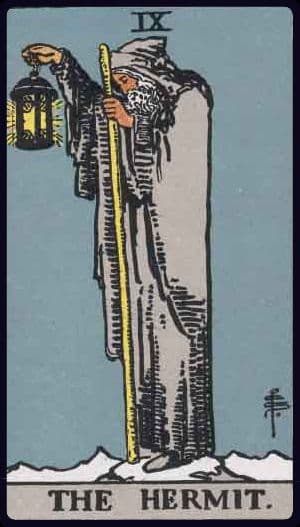

What The Hermit and Judgement Mean Together
An inward life eventually asks to be answered for. The Hermit gathers insight in solitude; Judgement brings the reckoning that turns private understanding into a more conscious life direction. Together, they often reflect the moment when reflection stops being purely observational and becomes a call to respond, especially around vocation, values, or a pattern you can no longer excuse just because you understand it. This pair can feel lonely and decisive at the same time. You know enough now that passivity starts to cost more.
What This Pair Reflects
Consider whether your current solitude is meant to protect the insight or to postpone what the insight requires. This combination invites you to notice where self-knowledge is ready to become a choice, not just an interpretation.
Begin your practice
Your readings, notes, and questions in one private place.
Start a readingIn Different Situations
Relationships
Time alone may have made one truth about a relationship harder to ignore. The Hermit brings the private work of recognizing what you want, fear or keep repeating. Judgement brings that knowledge into the open, where it may change how you relate to the other person.
The pairing doesn't prove that they're wrong or that separation is inevitable. You might be ready for a clearer conversation, or to acknowledge your own part in a familiar pattern. Solitude has helped you see something; the harder question is what happens when another person is part of the answer.
Career
You've spent time thinking about what work matters to you, and the same answer may keep returning. The Hermit brings the inward search, including the wish to step back from other people's measures of success. Judgement asks what that reflection changes about the way you actually work. A career reckoning needn't arrive as a dramatic departure. It could alter what you agree to, what you pursue or which ambition no longer deserves your energy. These cards sit at the point where a private sense of purpose becomes difficult to leave entirely private.
Decisions
Sometimes you aren't short of information. You've spent so long thinking that the same conclusion keeps arriving in different words. The Hermit reflects the careful private search; Judgement marks the point where that search asks for an answer you can own.
That doesn't make every delay avoidance. If time alone is showing you something new, the reflection is still useful. If it is circling a truth you've already recognized, more thinking may only postpone the cost of choosing. This pairing leaves the decision with you, but makes the difference between inquiry and postponement harder to ignore.
Burnout
Being worn down can make solitude feel like the only place where no one needs anything from you. The Hermit gives that withdrawal a purpose: space to hear what constant demands have drowned out. But Judgement raises a more difficult possibility, that the answer you find there cannot remain a private realization. You may already know which pattern keeps draining you and still be living inside it. This is not a demand for a sudden reinvention. It is a distinction between quiet that restores your perspective and quiet that lets an exhausting arrangement continue unchanged.
Feeling Stuck
You may have become very good at explaining why things feel unchanged. The Hermit can see the pattern from every angle, including the reasons you began protecting yourself from movement. Judgement introduces the part of that understanding that will not be satisfied by another private explanation. Yet being stuck does not prove that your reflection has been wasted or that you need a grand gesture. Perhaps the familiar story about who you are no longer accounts for what you know now. The shift here begins with taking that knowledge seriously outside your own thoughts.
New Beginnings
You may have arrived at this beginning long before anything around you visibly changed. The Hermit describes the private time spent learning what matters; Judgement marks the moment that understanding starts to have a place in the world. Even a welcome change can feel exposing when it asks you to let other people see a self you've only recently come to know. There is no promise that the new chapter will match the clarity you felt alone. What matters in this pairing is the connection between inward recognition and the imperfect experience of beginning to live by it.
Grief and Loss
In loss, being alone may be the only way to hear your own response without managing anyone else's. The Hermit gives that privacy its dignity. Judgement adds a harder layer: the absence may have changed what you understand about your life, even if you cannot yet put that change into words. There is no requirement to make a lesson from it or to return with an answer. You may find yourself revisiting old choices, memories or versions of yourself. Reflection can acknowledge their significance without becoming a trial in which you are expected to reach a verdict.
Reversed Variations
Both reversed
Reflection and reckoning can stall each other out. You may understand yourself well enough to feel uncomfortable, yet still shrink from the honest response that would alter the pattern.
The Hermit reversed
The Hermit reversed makes the reckoning less grounded. The call to change may still arrive, but without enough inward honesty it can feel noisy, self-critical, or prematurely forced.
Judgement reversed
Judgement reversed delays the answer to what has been learned. The inward clarity remains, but you may linger in analysis rather than making the shift it points toward.