The Tower & Judgement
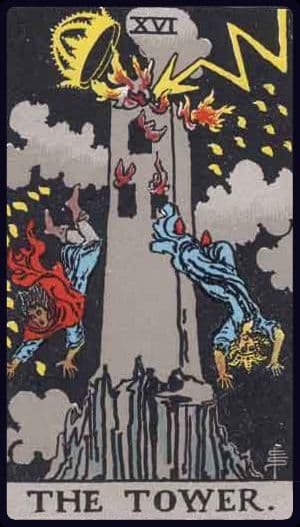
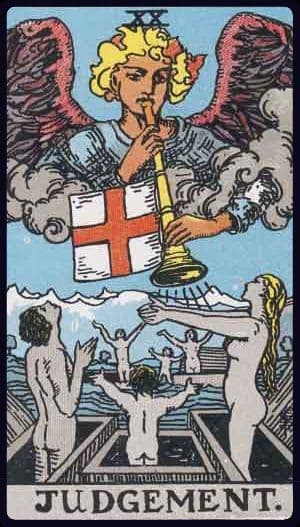
What The Tower and Judgement Mean Together
A collapse can be meaningless noise, or it can become a reckoning. The Tower and Judgement provide a symbolic way to examine the second possibility when disruption is already part of your circumstances. The Tower brings disruption, exposure, and the cracking of what no longer holds; Judgement brings reflection, accountability, and the pressure to understand what this break asks of your future self. Together, they can support reflection on accountability after a difficult change, without establishing a scandal, health problem, failure, or impending crisis. The break matters. So does what you do with it.
What This Pair Reflects
You may be dealing with a disruption that is no longer just about damage control. This combination invites you to ask what an observed disruption changes about your choices, responsibilities, or assumptions.
Begin your practice
Your readings, notes, and questions in one private place.
Start a readingIn Different Situations
Relationships
After a painful argument or unexpected truth, it can be hard to tell whether the relationship itself has broken or your understanding of it has. The Tower captures that loss of certainty. Judgement asks what each person can now recognize and take responsibility for, once the immediate shock has passed. Neither card proves a breakup or a reconciliation. An honest conversation might reveal something worth rebuilding, or something neither person can keep denying. The important distinction is between trying to make the disturbance disappear and understanding what it has exposed.
Career
When work is disrupted, the first instinct may be to get back to normal as quickly as possible. The Tower reflects a sudden loss of confidence in a role, plan or workplace; Judgement raises the question of what the disruption has shown you. A setback does not prove that the whole path was wrong. But putting everything back exactly as it was might mean ignoring a problem you can now see. This pair gives room to address what needs immediate repair while also deciding which expectations, responsibilities or ambitions still deserve your commitment.
Decisions
A sudden change can make every decision feel urgent. The Tower is the moment a plan or assumption stops holding; Judgement asks what the break now calls you to acknowledge. Reacting quickly may be necessary in one part of the situation, but that does not mean every larger conclusion is already clear. Equally, waiting for everything to settle can become a way of avoiding what you have learned. This pair separates the immediate response to disruption from the longer choice about how you want to proceed. Both matter, and they may need different kinds of attention.
Burnout
Sometimes exhaustion makes a long-standing problem impossible to explain away. The Tower captures the moment your usual way of coping stops holding up; Judgement brings the less comfortable recognition that returning to exactly the same pace may not be enough. This need not mean a dramatic breakdown or that every commitment is wrong. It may be a quieter reckoning with how much you have taken on and what has repeatedly been left out of the calculation. The strain deserves attention, but so does the pattern that made it feel normal.
Feeling Stuck
The frustrating part may be knowing something is no longer working while continuing to live as though it is. The Tower represents the cracks in an old understanding; Judgement brings the recognition you have not yet found a place for. Nothing has to explode for this tension to be real. You might be spending more energy maintaining an outdated picture of your life than exploring what has already changed. This is less about making a sudden leap than about admitting which assumptions no longer deserve automatic loyalty. Recognition can arrive before you know how to move.
New Beginnings
A new beginning does not always arrive with a clean sense of possibility. Sometimes an old structure has become untenable, and you are starting while still trying to understand what changed. The Tower marks that unsettled ground; Judgement asks what you now see differently about your own part in the story. The beginning may involve responsibility, regret or a more honest view of what you want to repeat. None of that makes it doomed. It means the fresh start has a history. Acknowledging that history can be more useful than pretending the past was neatly left behind.
Grief and Loss
A loss can unsettle more than the thing or person that is missing. It may also disturb the assumptions you carried about what was stable, fair or possible. The Tower gives space to that disorientation; Judgement brings the urge to look back and understand what happened. That urge can be useful, but grief is not a puzzle that always yields a satisfying explanation. You may be sorting responsibility from regret, or simply noticing how differently you see your past. Nothing here requires finding a lesson or a reason. Some changes remain painful even when you understand them clearly.
Reversed Variations
Both reversed
The disruption may be real, but the deeper reckoning is resisted. You may contain the fallout while avoiding the more unsettling question of what must now be owned or answered.
The Tower reversed
The Tower reversed slows the visible rupture. Reckoning remains possible, yet the lesson may arrive through prolonged strain, denied truth, or an inward breakdown before anything fully breaks outside.
Judgement reversed
Judgement reversed delays the meaning-making inside the collapse. The break still happens, but your response may stay defensive, avoidant, or stuck in self-doubt.