The Empress & The Hermit
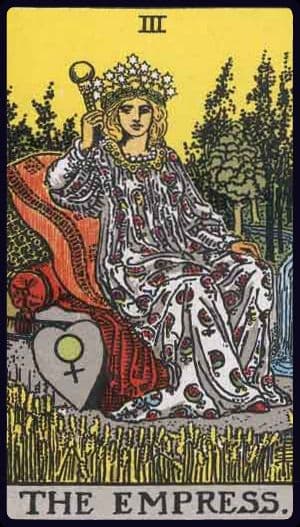
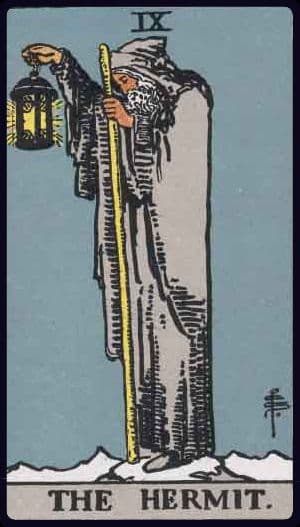
What The Empress and The Hermit Mean Together
A fertile inner life can coexist with solitude, but it may feel lonelier than it looks. The Empress wants connection, growth, and sensory aliveness; The Hermit steps back to listen for deeper meaning, often at the cost of immediacy or companionship. Together, they often reflect seasons when you are growing inwardly while outwardly more withdrawn than usual — tending a private creative process, reassessing relationships, or trying to care for yourself in a quieter way. The question is whether the solitude is feeding the growth or starving it.
What This Pair Reflects
Consider whether your retreat is helping you reconnect with what matters or slowly drying out the part of you that needs contact, beauty, and exchange. This combination invites discernment around loneliness versus chosen aloneness.
Begin your practice
Your readings, notes, and questions in one private place.
Start a readingIn Different Situations
Relationships
You may care deeply about someone and still need time that belongs only to you. The Empress draws attention to affection, presence and shared life; The Hermit pulls toward privacy and figuring out what you actually feel. Together, they make the difference between restorative solitude and a distance that's becoming hard to explain. Space need not mean love is fading. But when retreat replaces every difficult conversation, the connection can go hungry. The question is whether time apart helps you return more fully, or has become a way of not showing up.
Career
Some work grows best away from an audience, but staying out of sight forever has a cost. The Empress points to making, developing and nourishing an idea; The Hermit points to the quiet needed to understand what you're making and why. Together, they can describe a productive period of private concentration rather than an absence of progress. Yet the same solitude can become a refuge from feedback or a reason never to share the work. The distinction lies in whether the time alone is giving the idea form, or only postponing the moment it meets the world.
Decisions
When many people have an opinion about your next step, it can become difficult to hear your own. The Empress keeps you connected to what makes life feel full and supported; The Hermit asks for enough quiet to tell which desires are genuinely yours. Together, they favor private clarity without pretending that choices happen in isolation. Time alone may help separate your hopes from other people's expectations. It becomes less useful if every conversation or piece of evidence feels like an intrusion. The decision has to belong to you, but it still has to meet the life you'll be living.
Burnout
You can be surrounded by things that need your care and still feel strangely cut off from what restores you. The Empress brings the need for nourishment, pleasure and contact with ordinary life; The Hermit draws you inward, away from noise and demand. Solitude may be a relief, but it can also become another place where you expect yourself to work things out. The distinction is in how you return from it. A quiet hour that leaves room for something enjoyable is different from disappearing because you have nothing left to give.
Feeling Stuck
Quiet can help you hear yourself, until the same thoughts begin to circle without changing. The Hermit values distance and careful understanding; The Empress needs something living to grow through contact, sensation and exchange. Together they describe a kind of stuckness that looks thoughtful from the outside but feels increasingly narrow within. More time alone may not produce a different answer if nothing new is allowed in. Equally, filling every silence with activity can drown out a real insight. The question is whether your privacy still supports a fuller life or has become its substitute.
New Beginnings
A beginning can be real before you're ready to explain it to anyone else. The Hermit gives you space to learn what this new part of life means privately; The Empress asks whether it is also being fed by pleasure, presence and some connection to the world. There is no need to put an unfinished beginning on display. Yet privacy can become so protective that nothing gets the chance to take shape beyond your thoughts. The useful balance is neither constant company nor complete retreat. It is a quieter start that still has contact with life.
Grief and Loss
Loss can make company feel like too much and solitude feel unbearable, sometimes in the same day. The Hermit holds the need for privacy and a way to hear your own experience; The Empress holds the bodily, ordinary need for warmth, care and a life that still touches yours. Neither impulse cancels the other. This may be grief for a person, a place, a future or a version of yourself. Withdrawal can give the loss space, but it need not carry every part of it alone. Nourishment may be small and unremarkable, without being a solution.
Reversed Variations
Both reversed
Withdrawal and depletion can start reinforcing each other. You may feel cut off from both inner guidance and the relational or creative nourishment that would help restore you.
The Empress reversed
The Empress reversed makes the solitary period feel less fertile. Reflection may continue, but it risks becoming emotionally underfed, aesthetically barren, or disconnected from pleasure.
The Hermit reversed
The Hermit reversed weakens the wisdom of the withdrawal. You may want connection and growth, yet isolate in ways that do not actually clarify or support either.