The Magician & The High Priestess
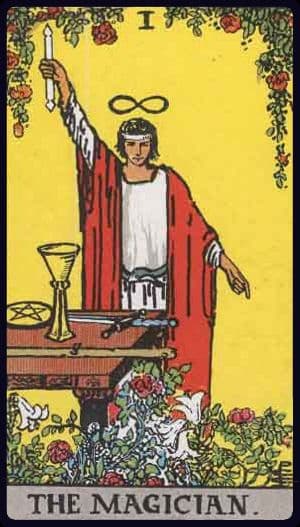
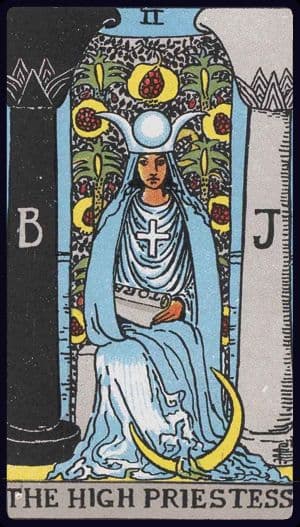
What The Magician and The High Priestess Mean Together
The High Priestess and The Magician bring inner discernment into tension with outward action. The High Priestess represents impressions that may feel significant without being verified; The Magician represents deliberate steps using the information available. This pair often appears when you're capable of making something happen but need to examine the intention underneath the effort — especially in communication, creative work, or relationships where words can shape reality quickly. The deeper question is whether your expression is aligned with what you know in quieter moments, or whether you're using talent to outrun truth.
What This Pair Reflects
Consider where you already have both the insight and the tools, but haven't yet integrated them. This combination invites you to notice whether you're withholding, overperforming, or treating a felt impression as certainty before checking it. Clarity may arrive through alignment, not more effort.
Begin your practice
Your readings, notes, and questions in one private place.
Start a readingIn Different Situations
Relationships
Sometimes you sense something has changed between you but cannot yet put it into words. The High Priestess gives weight to that quiet awareness; The Magician asks what happens when you turn it into a conversation. The risk runs both ways: staying silent can let assumptions harden, while speaking too confidently can turn an impression into an accusation. You can be perceptive without knowing another person's motives. This pair is especially useful when honesty matters more than finding the perfect words to produce the response you want.
Career
You might know how to present a strong case at work while privately doubting whether it is the right case to make. The High Priestess notices what is unspoken or not yet verified; The Magician can translate that awareness into a proposal, a question or a practical test. The tension is between acting before you understand enough and using reflection to avoid exposure. A feeling about a colleague, role or opportunity is worth examining, not treating as established fact. Your skills become more useful when they serve a purpose you can stand behind.
Decisions
You have a strong feeling about what to do, and perhaps a convincing plan to make it happen. The High Priestess asks where that feeling comes from and what remains unknown. The Magician reminds you that a choice becomes real through words, steps and consequences. Together they expose two temptations: mistaking instinct for proof, or polishing a plan so thoroughly that you never question its purpose. The useful middle ground is to test what can be checked, name what matters privately, and act with that distinction intact. Certainty is not required; honesty about your reasons is.
Burnout
Being able to find the right words, solve the next problem or keep things moving can conceal how little you have left. The Magician's competence is real, but The High Priestess draws attention to quieter signals that do not fit neatly into a plan. Tiredness, reluctance or a growing sense of disconnection deserves examination without being treated as unquestionable intuition. This is a tension between what you can still accomplish and what you can honestly sustain. Skill does not settle the question of capacity, especially when you are practiced at appearing capable.
Feeling Stuck
You keep sensing that something is off, yet every attempt to explain it sounds either vague or too definite. The High Priestess holds what has not been fully named; The Magician works with language, tools and visible action. Neither silence nor activity automatically breaks the impasse. Rehearsing an explanation can become its own form of standing still, just as protecting a private impression from every test can leave it untouched. What matters here is whether the outward expression remains faithful to the uncertainty underneath it. You can explore a feeling without pretending it is already a fact.
New Beginnings
Something about this beginning may feel right before you can explain why. The High Priestess gives that impression space without treating it as proof; The Magician brings the ability to try, speak and make something tangible. Their meeting is especially useful when you're tempted either to announce a fully formed direction or to keep it private until no doubt remains. Early action can reveal information that reflection alone cannot, while reflection can keep ability from turning into performance. A beginning does not need a perfect story about itself. What is felt and what is known can become clearer at different speeds.
Grief and Loss
Some losses are difficult to explain even to people who genuinely want to understand. The High Priestess holds the private, unfinished sense of what has changed; The Magician concerns the words and actions through which that experience becomes visible to others. You might be articulate about practical matters and still have little language for the loss itself. You might also feel something deeply without wanting to make it public. Neither is a failure of honesty. This combination respects the distance between an inner experience and an account of it, including the choice to leave some things unsaid.
Reversed Variations
Both reversed
Signals get crossed between intuition and action. You may mistrust your inner knowing while also misusing or underusing your actual abilities.
The Magician reversed
The Magician reversed distorts expression or confidence. The intuition is there, but your execution may become manipulative, scattered, or hesitant.
The High Priestess reversed
The High Priestess reversed obscures the inner signal. You may have strong skills, but without emotional honesty they can become a way to avoid what you know.