The High Priestess & Wheel of Fortune
What The High Priestess and Wheel of Fortune Mean Together
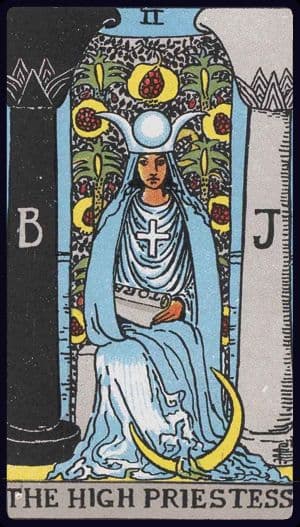
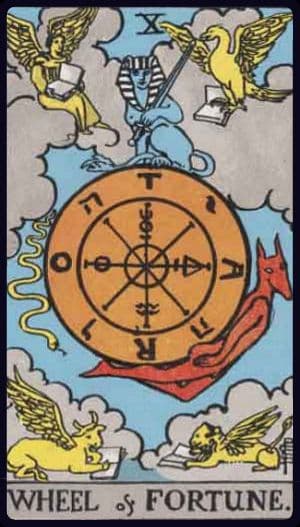
Not every turning point announces itself loudly. The High Priestess notices what is shifting beneath the surface; Wheel of Fortune marks the change in pattern that becomes undeniable only after it has already begun. Together, they often reflect an intuitive awareness that life is turning before the external evidence fully catches up — sensing a chapter closing, feeling a new attraction before it is named, noticing the mood of a season change inside you. The challenge is trusting subtle perception without trying to force the turn.
What This Pair Reflects
You may be noticing small signals that something is moving, even if you cannot yet prove it. This combination invites you to watch timing carefully and see whether your inner sense of change is asking for patience, readiness, or both.
Begin your practice
Your readings, notes, and questions in one private place.
Start a readingIn Different Situations
Relationships
Relationships sometimes feel different before anyone can explain what changed. Familiar routines shift, a closeness grows or recedes, and it's tempting to turn every small sign into a verdict. The High Priestess is attentive to those subtle changes; Wheel of Fortune reminds us that a relationship also moves through seasons neither person completely controls. This pairing isn't proof that someone will leave or return. It points to the difference between noticing a changing rhythm and deciding too quickly what it means. Time may reveal a pattern that one conversation cannot.
Career
You may feel that the shape of your work is changing before anyone has announced a clear direction. The High Priestess picks up on shifts in mood and priorities; Wheel of Fortune adds the reality that teams, opportunities and timing are not fully yours to control. Together, they favor attentiveness over pretending you can predict the next turn. A hunch is worth checking, not building a whole future around. The useful question is what you can prepare or clarify now while leaving space for conditions to change.
Decisions
Sometimes you want a decision to settle everything just as the circumstances around it begin to move. Wheel of Fortune describes that changing ground; the High Priestess notices the shift before its shape is obvious. Together they make a case for choices that leave some room to adjust, not for waiting until life becomes perfectly predictable. You cannot know every turn in advance, and not every change is a sign. The distinction is between what the evidence already supports and what you are only beginning to suspect.
Burnout
The demands on you may keep changing just as you find a workable rhythm. Wheel of Fortune captures that unsettled pace, while the High Priestess notices how each shift affects you before the consequences are easy to name. Burnout can grow when you treat every new turn as something you must immediately absorb. There is a difference between being adaptable and having no chance to recover your footing. This combination doesn't promise that circumstances will settle. It draws attention to the recurring cost of adjustment, including the quieter fatigue that may be easy to dismiss between obvious periods of pressure.
Feeling Stuck
It can be tiring to recognize the same feeling returning under different circumstances. Wheel of Fortune brings the sense of cycles; the High Priestess picks up on small similarities that aren't obvious at first glance. Together they make repetition worth examining without treating it as fate. Perhaps the surroundings have changed while a familiar response, expectation or uncertainty remains. Perhaps this really is a different situation that only feels familiar. The value lies in noticing the pattern carefully enough to tell those possibilities apart. Being back in a recognizable place does not mean nothing has changed.
New Beginnings
Not every new chapter feels like a clean break. Some beginnings arrive while the old routines are still in place, and you notice the change only in small details. The High Priestess is attentive to those subtle shifts; Wheel of Fortune holds the larger truth that circumstances can turn without giving you full control over timing. Together they allow a beginning to be real before its shape is settled, without turning every coincidence into a sign. The question is less whether this change has a guaranteed destination than what is already different enough to meet with honest attention.
Grief and Loss
Ordinary life keeps changing even when part of you remains turned toward what is gone. Wheel of Fortune speaks to that movement of time and circumstance; the High Priestess holds the quieter returns of memory, absence and meanings that surface unexpectedly. A familiar date or small change in routine can make the loss feel different without making it less important. These cards offer no stages to complete and no promise that every turn becomes easier. They acknowledge that the rhythm outside you and the rhythm within you may differ, and that neither one invalidates the other.
Reversed Variations
Both reversed
The cycle feels obscure or resistant, and your own instincts may feel difficult to trust. You could sense that something is off without understanding whether the pattern is changing or merely repeating.
The High Priestess reversed
The High Priestess reversed weakens your trust in the subtler cues around the transition. The wheel is still turning, but you may second-guess the signs that would help you meet it with more awareness.
Wheel of Fortune reversed
Wheel of Fortune reversed makes the shift feel stalled, awkward, or repetitive. Your intuition may still register that something is trying to move, yet external circumstances seem slow to cooperate.