The Tower & The Star
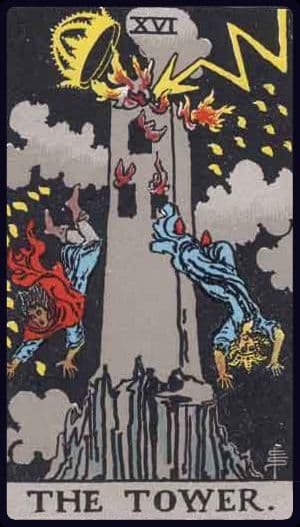
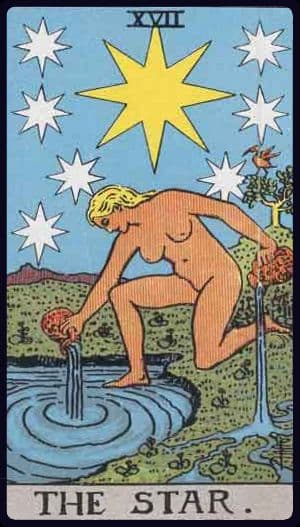
What The Tower and The Star Mean Together
Sometimes hope does not arrive before the breakdown. It arrives because of it. The Tower brings rupture, revelation, and the collapse of what could not keep standing; The Star follows with renewal, steadiness, and the first emotionally credible sense that the future may not be ruined by what just happened. Together, they often reflect post-crisis clarity — the strange calm after a breakup, layoff, confession, or burnout episode when the ground is still uneven but the air is finally cleaner. This pair is honest about damage. It is equally honest about relief.
What This Pair Reflects
You may be in the phase where the shock is still real, but something softer is already beginning to return. This combination invites you to notice what feels more breathable now that the old structure is no longer consuming all your energy.
Begin your practice
Your readings, notes, and questions in one private place.
Start a readingIn Different Situations
Relationships
You can still care about someone after the version of the relationship you trusted has fallen apart. The Tower acknowledges a real break in trust, expectation, or closeness; The Star gives that aftermath some breathing room without pretending the damage was small. If you're wondering whether this means reconciliation, it doesn't settle that question. Hope might mean finding a different way to relate, or recovering your own steadiness apart. The important difference is between wanting things back as they were and finding something honest enough to believe in now.
Career
When work changes abruptly, it can shake more than your plans. A lost role, a failed project, or a workplace you no longer recognize may leave you questioning your own direction. The Tower reflects that disruption without dressing it up as a necessary gift. The Star is the first believable sense that your working life can still hold meaning beyond what fell apart. It isn't a promise of a better job just around the corner. This pair is most useful when you need to separate the loss of one structure from the loss of your ability to build again.
Decisions
After something important changes, even a promising choice can feel like another risk you aren't ready to take. The Tower shows why the old plan may no longer fit; The Star brings a sense that a meaningful direction is still possible. Together they don't turn every disruption into an invitation to start over immediately. If you're choosing what comes next, there is a difference between moving toward something you genuinely want and grabbing the first hopeful-looking option to escape the aftermath. The new direction can be worth considering without requiring you to deny what the change cost.
Burnout
You may feel relief at the very thing that has made you stop. The Tower reflects a way of keeping going that could no longer hold; The Star is the quieter possibility of trusting your own limits again. Relief doesn't make the exhaustion disappear, and a breaking point doesn't have to become a lesson you are grateful for. There may still be strain to deal with and energy you don't have. What changes here is the belief that getting back to the old pace is the only measure of being well.
Feeling Stuck
Sometimes what keeps you in place is the hope that the old shape of things might still work if you give it more time. The Tower unsettles that familiar shape; The Star preserves the possibility of a life beyond it without providing a map. You needn't be in a dramatic crisis for an old assumption to stop feeling believable. Stuckness can hold both disappointment at what isn't changing and a faint sense that something else could fit. Hope here is less about waiting for rescue than allowing the old explanation to loosen its grip.
New Beginnings
A beginning after disruption rarely feels as clean as the word suggests. The Tower leaves the former shape of things unreliable; The Star offers a modest reason to imagine something beyond the damage. You can be curious about what's opening and still miss what made the old life recognizable. The new possibility doesn't need to justify the rupture that came before it. It may be enough that hope feels a little more credible than it did, even while you're working with less certainty and strength than you expected to have at the start.
Grief and Loss
After a loss, even a small return of ease can feel complicated. The Tower reflects how thoroughly something familiar has changed; The Star allows for a little steadiness without asking you to call the change good. You might notice an ordinary moment that feels breathable and then feel the weight of what isn't there. Neither feeling cancels the other. Hope in this context does not mean replacement, a deadline for healing, or gratitude for what happened. It is the possibility that your life still has room for tenderness while the loss remains real.
Reversed Variations
Both reversed
The rupture may remain unresolved and hope stays hard to access. You could feel stuck between fallout and discouragement, unable to fully collapse yet not ready to renew.
The Tower reversed
The Star reversed makes the aftermath emotionally colder. The break has happened, but trust, meaning, or renewal feels harder to recover from it.
The Star reversed
The Tower reversed slows or internalizes the disruption that precedes renewal. Hope may still be possible, yet the breakdown unfolds through prolonged strain rather than one clear release.