Death & Judgement
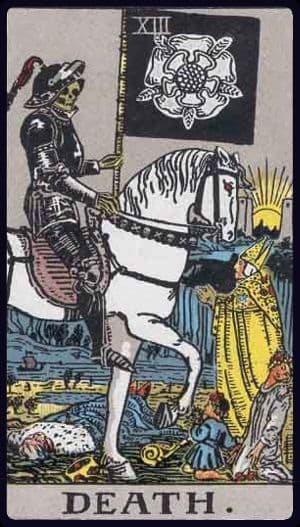
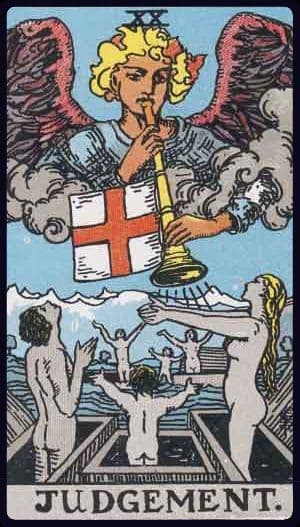
What Death and Judgement Mean Together
Some transformations become unavoidable the moment you understand what they mean. Death brings finality, release, and the clean break from what cannot keep going; Judgement brings reckoning, review, and the pressure to respond consciously to what has become undeniable. Together, they often reflect a profound threshold: divorce after years of rationalizing, a career ending once the deeper cost is faced, an old identity collapsing under the weight of self-recognition. This pair is not casual. It asks for an ending you can answer for.
What This Pair Reflects
You may be at the point where clarity is no longer just informative. It is consequential. This combination invites you to consider whether the change in front of you is only painful, or whether it is also the most honest response available to what you now know.
Begin your practice
Your readings, notes, and questions in one private place.
Start a readingIn Different Situations
Relationships
You can still care about someone and recognize that the relationship you knew has ended. That recognition may come before either person knows what to do with it. Death gives weight to what cannot simply be restored; Judgement asks for an honest response rather than another round of explaining it away. This does not automatically mean separation. It may mean letting an old way of being together end, with no guarantee of what replaces it. Affection matters here, but so does what both people are prepared to acknowledge and change.
Career
It can be unsettling to realize that a version of your working life has run its course, especially if you spent years building it. Death marks the loss of an old role, ambition or sense of yourself; Judgement asks what that ending has taught you about the work you can now stand behind. This is not necessarily a sign to resign or start over. Sometimes the change has already happened inside you, while the practical next step remains open. The harder part may be admitting what no longer fits without dismissing the effort that brought you here.
Decisions
Some decisions become difficult because part of you still wants an option that no longer exists in the same form. Death reflects the ending you may already recognize; Judgement asks what you will do with that knowledge. You need not be certain about what comes next to be honest about what has changed. Nor does accepting an ending require dismissing what it once meant. This pair distinguishes grief over a closing possibility from a genuine reason to keep it open. The choice is less about finding a painless answer than about responding to the reality in front of you.
Burnout
There is a particular exhaustion that comes from trying to keep a version of life going after it has stopped fitting. Death acknowledges what has run its course; Judgement brings the uncomfortable clarity of recognizing your own part in keeping it alive. That need not mean abandoning everything or turning fatigue into a dramatic turning point. A pace, expectation or identity may be ending even while much of your daily life stays the same. The weariness deserves more than another promise to push through. Something about what you have been asking of yourself is ready to be named honestly.
Feeling Stuck
A period can be over without the next one having properly begun. Death leaves you with the absence of an old structure, while Judgement makes it difficult to pretend you are still the person who fitted inside it. The stuckness may come from measuring every day against a life that is no longer available in quite the same way. This doesn't turn uncertainty into evidence that a fresh identity is waiting to appear. It allows for an awkward interval in which you can recognize an ending before you know what that recognition changes. Not moving yet and going backward are different things.
New Beginnings
Some beginnings do not feel fresh because you are still aware of what they cost. Death makes room for the reality of an ending; Judgement asks what you recognize about yourself now that the old shape is gone. Together, they resist the idea that starting again requires enthusiasm or a clean break from memory. You may be able to welcome something new and still miss what has ended, even when the change was necessary or chosen. The beginning has weight because it follows a real loss of familiarity. You need not turn that history into a triumphant explanation.
Grief and Loss
An ending can be final while its meaning keeps changing. Death gives the loss its full reality; Judgement reflects how it may continue to alter your sense of what matters, who you were and what you can now acknowledge. This is not a promise of renewal, a reason the loss happened, or a timetable for becoming someone different. Some days recognition may be sharp; on others you may feel far from any understanding at all. You do not have to make the ending useful for it to be significant. What is gone can remain part of how you see your life.
Reversed Variations
Both reversed
The reckoning is felt, but the ending stays delayed. You may understand exactly what has run its course while still hesitating to let the transition fully alter your life.
Death reversed
Death reversed keeps the wake-up call from becoming a clean break. Judgement remains sharp, but the response stays stuck between insight and enactment.
Judgement reversed
Judgement reversed weakens the conscious response to the ending. Change is still occurring, yet it may feel more confusing, avoidant, or emotionally unintegrated.