The High Priestess & Death
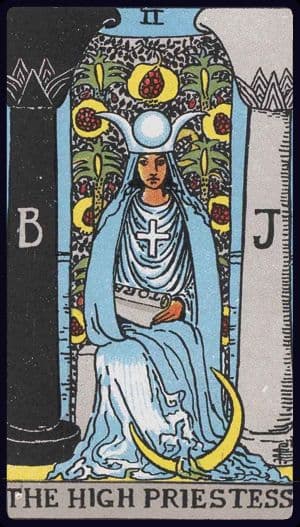
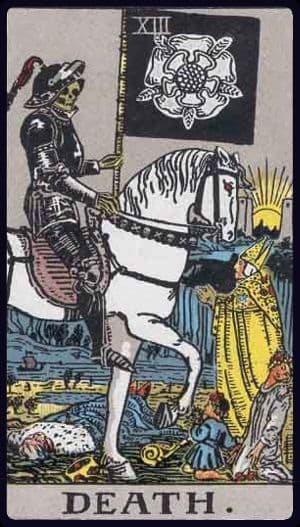
What The High Priestess and Death Mean Together
Sometimes the inner shift happens before the outer life catches up. The High Priestess represents impressions that have not yet found words — doubts about an old identity, a feeling that a relationship is changing, or a different sense of yourself. Death adds the symbolism of transition and release. Those impressions need checking against what you can observe; the pairing cannot establish that an ending is irreversible. Together, they often reflect a private transformation that has not yet been fully spoken aloud but is already changing what you can tolerate, desire, or return to.
What This Pair Reflects
The High Priestess and Death invite reflection on a change you sense but have not named. Notice what supports that impression, what remains uncertain, and whether a conversation or practical check would help.
Begin your practice
Your readings, notes, and questions in one private place.
Start a readingIn Different Situations
Relationships
Sometimes you feel a relationship changing before either person has found words for it. The High Priestess holds that quiet uncertainty, while Death raises the possibility that an old way of relating is coming to an end. It's easy to turn a feeling into a verdict about what the other person wants, but this pair cannot confirm their private thoughts or predict a breakup. Your own feelings may have shifted even if the facts are still unclear. The useful difference is between acknowledging that inner change and deciding, too soon, what it proves about the relationship.
Career
Something about your working life may feel finished before you can explain exactly why. The High Priestess reflects the private awareness that a role no longer fits; Death gives weight to the possibility of a real transition rather than a passing bad week. That feeling matters, but it isn't evidence on its own that the job must end. It may help to notice what has actually changed: the work, your priorities, the people around you, or your capacity to keep doing it. The pair gives the unnamed dissatisfaction space without treating it as a command to resign.
Decisions
A decision can feel settled inside long before you are ready to say it aloud. Death reflects the possibility of leaving an old chapter behind, while the High Priestess holds what you sense but cannot yet explain. There is value in noticing that private shift, especially if you've been forcing yourself to feel as you once did. But an intuition isn't a complete account of the facts. This pair leaves room for both: the truth that your feelings have changed and the need to test what follows from that change before treating an ending as inevitable.
Burnout
Sometimes you register the strain before you can explain it. You notice a quiet reluctance, a sense of distance from things you used to care about, but the reasons remain hard to name. The High Priestess gives that unspoken experience room; Death asks whether some part of your usual way of living is changing. Neither card proves that you must make a dramatic break. You may need less pressure to produce an answer before you can tell what actually needs to change.
Feeling Stuck
You may be waiting to understand what has changed before allowing yourself to acknowledge that anything has. The High Priestess captures the private, half-formed awareness; Death gives weight to the possibility of a real shift beneath a life that still looks the same. Waiting for perfect language can keep you circling an impression without testing it. Yet the impression itself isn't proof that an ending is required. This is the peculiar stuckness of knowing something feels different but not knowing what that difference means. It leaves room for silence, observation, and a reality more complicated than a single decisive answer.
New Beginnings
Not every beginning announces itself. You might feel that an old chapter no longer fits while having no clear name for what comes next. The High Priestess holds that quiet, unfinished knowing; Death makes space for a change that is more than a passing mood, without proving where it leads. Equally, a private feeling needn't become a final verdict on what you're leaving. This can be a threshold experienced inwardly first, where noticing the difference comes before finding words or a visible new direction.
Grief and Loss
Some losses are difficult to explain even to people who know you well. The High Priestess reflects what is felt privately, before it has clear language; Death recognizes that something meaningful is no longer as it was. Together they make space for grief that doesn't look obvious from the outside, including the loss of a possibility, a former closeness, or a version of life you expected. An unspoken feeling is still real, but it doesn't have to contain some hidden message or final truth. You can be unsure what exactly has changed and still acknowledge that the change matters.
Reversed Variations
Both reversed
The ending is sensed but resisted. You may feel haunted by a change that has already begun internally while clinging to external forms that no longer fit.
The High Priestess reversed
The High Priestess reversed clouds the deeper knowing around the ending. Transformation is still underway, but denial, repression, or emotional static makes it harder to name honestly.
Death reversed
Death reversed keeps the old chapter lingering after your inner self has already moved on. You may know the truth, yet keep postponing the release it requires.