Death & The Star
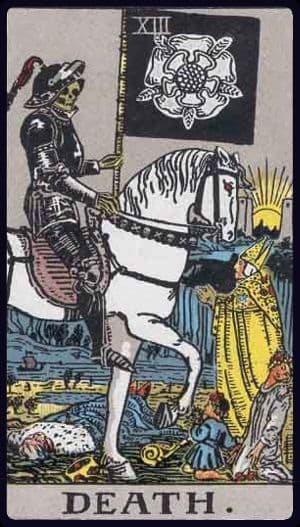
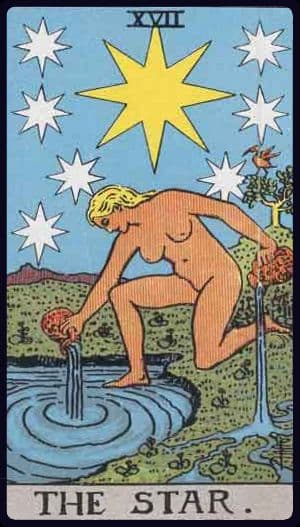
What Death and The Star Mean Together
Hope after loss has a different texture from hope before it. Death brings endings, release, and the emptiness that follows when something significant is truly gone; The Star brings renewal, gentleness, and the first believable hint that life may still contain goodness after the rupture. Together, they often reflect grief beginning to open into recovery, identity reconstruction after a major life change, or the soft return of trust after you have stopped trying to get the old version back. This pair is quiet and strong at once.
What This Pair Reflects
You may be in the phase where the ending is still real, but it is no longer the only thing in the room. This combination invites you to notice what small forms of relief or possibility are appearing now that the release has actually happened.
Begin your practice
Your readings, notes, and questions in one private place.
Start a readingIn Different Situations
Relationships
There is a particular kind of hope that doesn't ask for the old relationship back. Death recognizes that something in the connection, or in your place within it, may have ended. The Star allows room for trust and tenderness without denying that loss. Together they can reflect the hesitant return of openness after disappointment, or the ability to care about what was good without pretending it can remain unchanged. They don't promise reconciliation or a new love. The hopeful part is quieter: an ending need not decide how closed your heart must stay.
Career
After a professional ending, confidence often returns less dramatically than it was lost. A job or ambition can end without taking your capacity to care about good work with it. Death marks the change you cannot simply work your way around; The Star is the faint return of trust in your judgment, even if your next role is unclear. You might find yourself drawn to a task, willing to try again, or newly selective about what success should cost. That small movement matters: rebuilding a career can begin with wanting to participate, not with feeling fully certain.
Decisions
Choosing a new direction can be difficult when you're still grieving the one you wanted. Death acknowledges that an option, identity, or expectation may be ending; The Star leaves room for a future you can feel cautiously interested in, even before you know its shape. Together they suggest that hope need not depend on proving the loss was worthwhile. This pair doesn't tell you which path to take or promise that starting over will feel easy. It reflects the possibility of making a choice that respects what ended without letting the ending define everything that remains.
Burnout
Sometimes the first sign of relief is noticing you no longer want to return to the exact routine that wore you down. Death allows an old rhythm to end, even if you once took pride in keeping it up. The Star is quieter: a small stretch of ease, interest or trust that doesn't demand instant energy. If even that feels distant, the exhaustion is no less real. Renewal here is not a dramatic comeback or a lesson extracted from overwork. It is the possibility that life after this pace need not reproduce it.
Feeling Stuck
You may no longer want the life you were trying so hard to preserve, but wanting something else has not yet become a direction. Death captures the quiet finality of that change; The Star holds a kind of hope that is real even when it is too faint to organize a plan. Feeling stuck can mean waiting for certainty before allowing that small interest to count. Nothing here promises momentum. It simply leaves room for the possibility that the absence of an old desire is not the absence of every new one.
New Beginnings
You can be living a new chapter and still feel like a beginner in your own life. Familiar roles and assumptions no longer tell you how to move through an ordinary day. Death names that genuine break with the old shape of things; The Star allows a modest openness to what is taking shape, without supplying instant belonging. You may participate before you feel settled: learning a new rhythm, speaking about yourself in unfamiliar terms, noticing which small parts of the day feel yours. Other moments may feel foreign again. Neither response makes this beginning less real.
Grief and Loss
The fact that you can feel a moment of ease does not mean you have stopped missing what was lost. Death keeps the ending real; The Star makes space for a little warmth or trust alongside it. Sometimes hope feels disloyal, especially when life keeps asking you to participate before you know how. Here it does not erase, explain or redeem the loss. And if hope is nowhere in reach, this pairing need not be read as a demand to find it. What mattered can remain part of you without every moment having to carry the same weight.
Reversed Variations
Both reversed
The loss may remain active while hope stays difficult to access. You may know the ending is necessary and still feel unable to imagine renewal in any emotionally convincing way.
Death reversed
Death reversed prolongs the grief state by keeping part of you attached to what has already gone. The Star remains possible, but it can feel faint while the release is incomplete.
The Star reversed
The Star reversed dims the gentleness after the ending. Transformation may still be moving, yet discouragement, mistrust, or emotional exhaustion can delay the sense of renewal.