The Emperor & Judgement
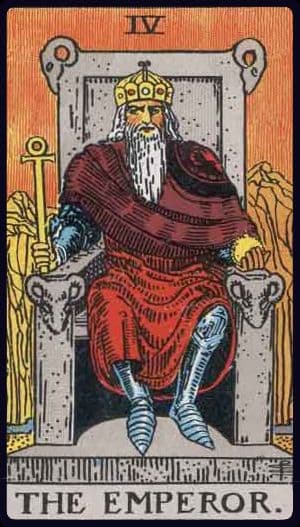
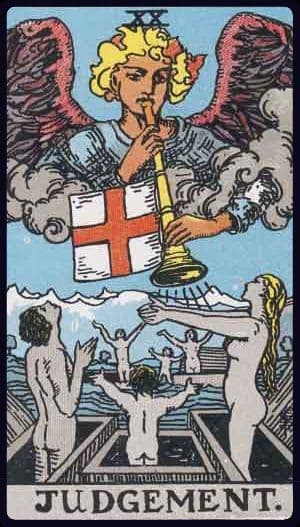
What The Emperor and Judgement Mean Together
A role, identity, or authority structure is being called to account. The Emperor represents order, leadership, and the systems by which you have organized your life; Judgement introduces reckoning, awakening, and the sense that an old form can no longer continue without honest review. Together, they often reflect career turning points, shifts in responsibility, or the realization that the version of power you have been inhabiting no longer matches your deeper purpose. This pair is stern, but not cruel. It asks for maturity that includes self-examination.
What This Pair Reflects
Consider whether the life structure you built still belongs to the person you are becoming. This combination invites you to examine where duty, authority, or competence may need to evolve rather than simply be maintained.
Begin your practice
Your readings, notes, and questions in one private place.
Start a readingIn Different Situations
Relationships
A familiar role between two people can stop fitting even when the care is still there. Judgement brings an honest reassessment to the Emperor's established rules, responsibilities, or unspoken hierarchy. Perhaps being the reliable one has turned into deciding everything; perhaps an agreement made years ago no longer feels fair. This pair doesn't automatically mean separation. It asks whether both people can acknowledge what the relationship has become and change how responsibility is held, instead of defending an old arrangement simply because it worked before.
Career
You can be good at a job and still question the role it has made you play. The Emperor represents the structure, status or responsibility you have built; Judgement asks whether that version of success still deserves your commitment. This might mean changing how you lead, admitting that an old goal no longer matters, or taking responsibility for a choice that shaped other people's work. Quitting is not the only answer. Continuing without examining what the role now asks of you is a choice too.
Decisions
An old decision may have been sensible when you made it and still need revisiting now. Judgement calls for a fresh accounting; The Emperor reminds you that established duties and structures have real consequences. This pair can arise when changing course feels like admitting that your earlier judgment was wrong. It doesn't demand abandoning what you've built. It asks you to distinguish between keeping a promise because it still reflects your values and keeping it because changing your mind would threaten an identity built around being decisive.
Burnout
The exhaustion may come from having to be the person who holds the shape of everything. The Emperor knows how to establish order, but Judgement makes that order answer for its cost. A routine or responsibility that once protected you may now demand a version of steadiness you can't keep supplying. This isn't proof that you failed to manage yourself well enough. It is a more uncomfortable recognition: competence can become a reason no one, including you, questions what you carry. The structure itself may need an honest hearing.
Feeling Stuck
You may have become very good at keeping a life in place that no longer feels like yours. The Emperor supplies consistency; Judgement brings the unease of seeing the same structure with changed eyes. Nothing dramatic has to be wrong for the stuckness to be real. Here, repetition can be a kind of loyalty to an earlier self, especially when being dependable has become part of your identity. More discipline would only tighten what already holds. The opening is in admitting that stability and fit are not always the same.
New Beginnings
Beginning again doesn't always feel like freedom. Sometimes it comes with the weight of knowing how much responsibility a new role can carry. Judgement asks what you've learned from an older way of directing your life, while the Emperor offers the ability to give a changed intention solid form. The tension is between building from experience and rebuilding the very rules you've just outgrown. You don't have to arrive already certain or authoritative. A structure shaped by honest reassessment has a different foundation from one built mainly to prove you are in control.
Grief and Loss
Loss can unsettle the role you relied on to know who you were: organizer, protector, the one who had answers. The Emperor represents that familiar structure of responsibility, and Judgement brings the painful awareness that it cannot simply be restored by carrying on as before. You may still be capable of holding things together while feeling entirely changed inside. There is no verdict to reach about how well you've handled what happened. The deeper reckoning concerns what remains meaningful when the old definition of strength no longer describes your experience.
Reversed Variations
Both reversed
You may resist the reckoning by doubling down on control. The result can be stagnation inside a role that no longer feels alive, meaningful, or ethically clean.
The Emperor reversed
The Emperor reversed distorts the authority under review. Judgement remains upright and may expose rigid control, shaky leadership, or an identity organized around power rather than integrity.
Judgement reversed
Judgement reversed delays the deeper awakening the structure needs. Responsibility remains, but the honest self-assessment that would change how you lead or live is being postponed.