The Hanged Man & Judgement
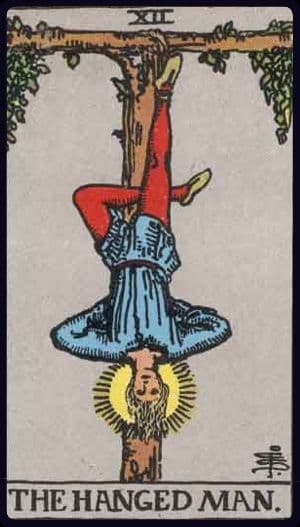
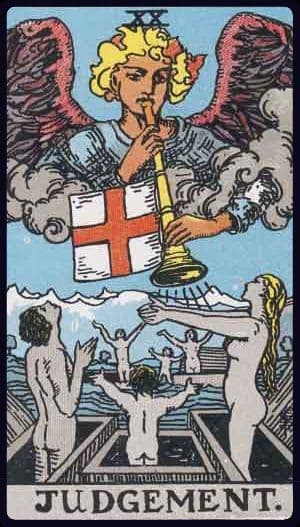
What The Hanged Man and Judgement Mean Together
Not every wake-up call produces immediate motion. Sometimes it produces a stop so complete that you have to see your life from the underside before you can answer it. The Hanged Man suspends the old approach; Judgement brings reckoning, self-review, and the pressure to respond to what has become undeniable. Together, they often reflect a threshold where your former explanations stop working but your next step is still incubating. This pair can feel exposed and static at once. Insight has arrived, but it is still rearranging you.
What This Pair Reflects
You may know something important now without yet knowing how to live it. This combination invites you to notice whether the pause is avoidance, or whether it is the necessary stretch between revelation and genuine response.
Begin your practice
Your readings, notes, and questions in one private place.
Start a readingIn Different Situations
Relationships
Something about the connection may have become clear, while your feelings about what to do remain unfinished. Judgement marks the recognition that an old way of relating no longer fits; The Hanged Man holds the awkward space before that recognition becomes a decision. This isn't automatically a breakup or a reconciliation. Sometimes distance changes the view; sometimes waiting keeps a difficult conversation safely out of reach. The distinction lies in whether the pause is helping you see the relationship more fully, including your own part in it, or only postponing what you already know.
Career
The story you've told yourself about your career may have stopped making sense, even though a new direction isn't clear. Judgement is the unsettling recognition that something needs to be reconsidered; The Hanged Man resists the idea that every realization must lead straight to a move. Pausing can reveal what you were too busy to question about success, status, or obligation. It can also become a way of avoiding a choice. Together, the cards make that uncertainty legible: insight has changed your perspective, but it may take longer to learn which action genuinely follows from it.
Decisions
A choice can feel urgent even when the two options in front of you no longer describe the real question. Judgement brings the realization that something you took for granted needs examining. The Hanged Man changes the angle: perhaps both options rest on the same assumption, or something you dismissed now deserves a place in the decision.
This doesn't make reflection an excuse to stay suspended. Looking again is useful when it changes what you're weighing; repeating the same arguments can leave the original limits intact. The answer may remain open, but the terms of the choice do not have to stay fixed.
Burnout
Admitting that the old pace is no longer possible can bring clarity without bringing energy. Judgement marks that recognition; The Hanged Man holds the uncomfortable interval in which knowing something must change hasn't yet made change available. Even rest can feel like an unfinished task when you're used to proving your value through motion. This pause may reveal how deeply that habit runs. It needn't be turned into another test of whether you're reflecting productively enough. The insight is real even if you're not ready to turn it into a new routine.
Feeling Stuck
The frustrating part may be that you already understand what feels wrong. Judgement brings a recognition you cannot easily forget, while The Hanged Man leaves ordinary movement suspended as your perspective catches up. An old rhythm can keep repeating even after its reasons no longer convince you. Familiar expectations, practiced responses, or circumstances that have not shifted may still shape the day. Knowing why you feel confined does not give you room that isn't there. Sometimes clearer sight makes the repetition more noticeable: you can recognize the pattern each time it returns without yet having a different place to stand.
New Beginnings
You may know that a new chapter has begun without yet feeling like the person who belongs in it. Judgement recognizes that an earlier way of living or understanding yourself has reached a threshold. The Hanged Man leaves you between that recognition and a workable new perspective. It can be disorienting to start without the momentum a beginning is supposed to bring. Nothing here promises an instant sense of purpose. The first change may be in how you see what is possible, while the shape of your days takes longer to follow.
Grief and Loss
A loss can change the meaning of ordinary things long before you have words for that change. Judgement reflects the recognition that life is no longer arranged quite as it was. The Hanged Man holds the strange suspension that follows, when familiar routines continue but your place inside them feels altered. You might see certain truths more clearly and still have no use for a lesson or a next step. This isn't a failure to move forward. Some understanding arrives while nothing seems to be moving, and some absence resists being made meaningful at all.
Reversed Variations
Both reversed
You may resist both the wake-up call and the altered perspective it demands. The result can be self-doubt, stagnation, or the exhausting feeling of hovering near a truth you will not quite answer.
The Hanged Man reversed
The Hanged Man reversed resists the pause that would deepen the reckoning. The insight may be real, yet impatience can keep it from fully changing your angle of vision.
Judgement reversed
Judgement reversed delays the fuller reckoning inside the suspension. Reflection continues, but it may remain observational rather than transformative.