Justice & The Tower
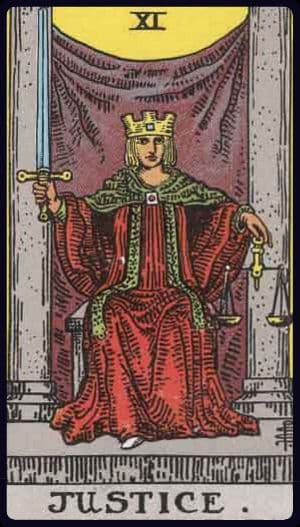
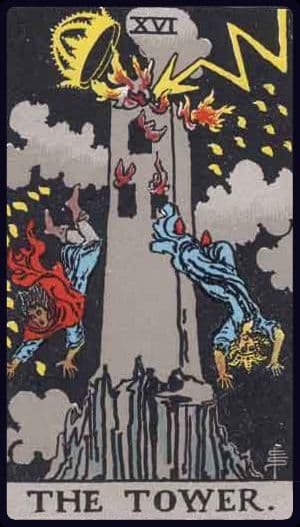
What Justice and The Tower Mean Together
Justice and The Tower can frame the strain between evidence and an assumption you have relied on. Justice brings facts, accountability, and the demand to see things accurately; The Tower brings rupture, exposure, and the collapse that follows once denial can no longer hold. Together, they can help you consider the consequences of facts already available to you. They do not establish a lie, legal wrongdoing, or an imminent exposure; uncertainty still needs evidence.
What This Pair Reflects
You may be dealing with a revelation that changes not only your understanding, but the practical structure around it. This combination invites you to notice which assumptions the available facts challenge and what a fair response would involve.
Begin your practice
Your readings, notes, and questions in one private place.
Start a readingIn Different Situations
Relationships
When a relationship changes suddenly, the hardest part may be losing the version of it you thought you understood. Justice asks what actually happened and what each person is responsible for; The Tower captures the shock of realizing an old explanation no longer holds. This doesn't promise betrayal or a breakup. A difficult conversation can unsettle a relationship without ending it. What matters is whether the new facts can be faced fairly, rather than rushing either to blame someone or to rebuild the familiar story unchanged.
Career
Work can feel suddenly unfamiliar when something you counted on stops looking solid. The Tower describes that loss of structure; Justice insists that the response be grounded in what is known, not just the shock. A change in leadership, expectations or a long-held belief about your role may unsettle plans, but the cards don't declare that dismissal or misconduct is coming. The useful tension is between urgency and fairness. You may need to revise your understanding quickly while still distinguishing facts, assumptions and where your responsibility actually ends.
Decisions
A decision can become harder because the assumptions behind it have changed, not because you've suddenly lost your judgment. The Tower marks the disruption; Justice asks what is still true and what a fair response now requires. You might feel pressure to make a dramatic move or to defend a plan simply because you've invested in it. Neither impulse has to settle the matter. The pairing gives weight to new evidence without treating upheaval as a command. Revising a choice in light of facts is different from letting fear make the choice for you.
Burnout
You may have kept yourself going by believing the strain was temporary or necessary. Justice and The Tower put that belief under pressure: the cost is measurable, and the old way of carrying it may no longer be holding together. A sudden moment of “I can't keep doing this” needn't mean every part of your life is collapsing. It can be the point when a familiar explanation stops matching your capacity. Fairness includes looking at what has been demanded, what you have chosen, and what has become too much.
Feeling Stuck
The familiar structure may still be standing, but you no longer quite believe in it. Justice notices the mismatch between what the facts show and the story that has kept things in place; The Tower makes that mismatch hard to ignore. Being stuck can then feel less like a lack of will and more like living with a truth that changes how the old routine looks. Nothing here demands a dramatic break. Even before outward change, admitting what has lost its footing can alter what “staying the same” means.
New Beginnings
A start can arrive before the previous chapter has properly come apart in your mind. The Tower carries the disorientation of a changed foundation; Justice asks what remains true and what you can now approach more honestly. Excitement may sit beside anger, unfinished business, or concern about the cost of change. This doesn't make the beginning a mistake, nor does disruption guarantee liberation. What gives the new ground substance is the willingness to see the old situation clearly without asking a fresh start to erase its consequences.
Grief and Loss
Some losses change more than what is missing. They unsettle the story you had about how life worked, what was fair, or what you could count on. The Tower names that rupture; Justice brings the aching wish for an explanation that makes sense of it. There may be facts to face, but not every loss yields a satisfying account of why it happened. Anger and disbelief can sit alongside a clear understanding of events. The cards don't assign blame or a lesson. They reflect how hard it can be to live after a familiar structure stops holding.
Reversed Variations
Both reversed
The truth may be partially known but not fully acted on. You may be containing the fallout, delaying the break, or living in the brittle tension of a structure that has already been discredited.
Justice reversed
Justice reversed corrupts the rupture with bias or denial. The break still happens, but accountability can become distorted, uneven, or harder to trust.
The Tower reversed
The Tower reversed slows the visible collapse. The facts remain sharp, yet the reckoning may arrive through erosion, tense containment, or repeated near-breaks instead of one clean event.