Wheel of Fortune & Justice
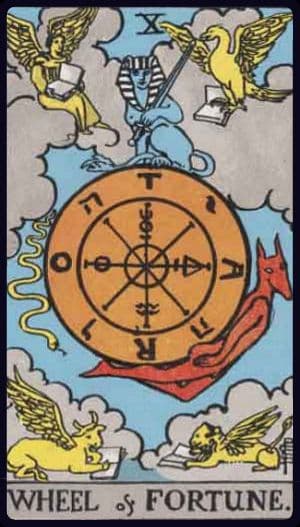
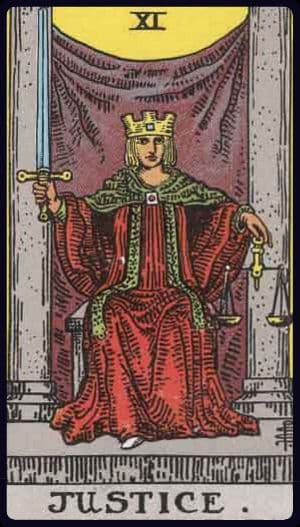
What Wheel of Fortune and Justice Mean Together
Not every turning point feels fair, and this pair forces that tension into view. Wheel of Fortune shifts the pattern, changes the timing, and reminds you that life does not move in straight lines; Justice asks what is true, accountable, and proportionate within that movement. Together, they often reflect consequences arriving, systems correcting, or the uneasy realization that a change of circumstances is exposing what was always structurally off. The mood is less mystical than practical. Cause and timing are meeting.
What This Pair Reflects
You may be watching a situation change in ways that reveal its actual balance sheet. This combination invites you to consider what is cycling naturally, what is the result of prior choices, and where fairness may require a clearer response rather than passive acceptance.
Begin your practice
Your readings, notes, and questions in one private place.
Start a readingIn Different Situations
Relationships
A relationship may be changing for reasons neither person fully controls, yet fairness still matters in how you meet the change. Wheel of Fortune brings the shifting circumstances; Justice asks whether effort, honesty, and responsibility remain balanced as things move. A difficult season isn't automatically someone's wrongdoing, and good timing doesn't erase an old imbalance. This pair is less about whether you were 'meant' to meet than what becomes visible when circumstances change: who adjusts, who carries the cost, and what a fair response would actually involve.
Career
A change in leadership, a missed opening, or a sudden opportunity can make work feel arbitrary. Wheel of Fortune speaks to timing and forces outside your control; Justice looks at the decisions, standards, and consequences within them. You may be dealing with genuine unfairness, or with disappointing timing that isn't anyone's fault. The distinction matters. This pair asks you to separate what changed by chance from what people can be held accountable for, rather than using either luck or merit to explain everything.
Decisions
You want to make the fair choice, but the situation won't stand still while you weigh it. Wheel of Fortune brings moving circumstances and imperfect timing; Justice insists on looking closely at facts, consequences, and whose interests count. Doing the responsible thing doesn't give you control over the outcome. Equally, uncertainty doesn't excuse ignoring a clear imbalance. This pairing asks for a decision you can explain without pretending every variable was yours to manage. Fairness lies in the quality of your reasoning and response, not a promise that events will reward you.
Burnout
You can work hard at balancing your life and still end up depleted when the demands keep moving. Wheel of Fortune captures the shifting load; Justice puts a harder question beside it: who is carrying the changes, and by what measure is that fair? Not every exhausting stretch reflects neglect or wrongdoing. But if every swing lands on the same person's shoulders, calling it 'just how things are' can hide a pattern. The distinction between a difficult season and an unequal one changes how you understand your tiredness.
Feeling Stuck
It can seem as though the same frustrations return in slightly different forms. Wheel of Fortune names that repetition; Justice asks what remains unchanged each time it turns. Some delays really are bad timing. Others repeat because the same expectations, rules, or unequal arrangements survive every reset. Being stuck needn't mean you're failing to try hard enough, nor does naming a pattern mean you can fix it alone. There is a difference between a cycle you have to weather and one that keeps being reproduced by choices and structures.
New Beginnings
Starting again rarely means starting on equal ground. Timing, luck, and circumstances have already shaped the opening, which is Wheel of Fortune's part of the picture. Justice asks how you want to act within conditions you did not choose, and what fairness would look like as new expectations take shape. You can welcome a change without believing it rewards virtue or punishes failure. A promising beginning still deserves clear agreements and proportionate responsibility; uncertainty about the outcome doesn't make those concerns premature.
Grief and Loss
Grief can bring the question of fairness back even when there is no satisfying answer. Wheel of Fortune reflects how much in life moves outside anyone's control; Justice refuses to pretend that all consequences are therefore equal or deserved. A loss needn't be explained as a lesson, a reward, or something you somehow brought about. The concern with fairness may belong to how people responded, what was neglected, or what support is available now. There can be accountability around a loss without a tidy explanation for why it happened.
Reversed Variations
Both reversed
The pattern can feel rigged or hard to trust. You may be facing repeated setbacks, skewed consequences, or a sense that timing and fairness are both failing to cooperate.
Wheel of Fortune reversed
Wheel of Fortune reversed makes the shift feel delayed or repetitive. The facts may be clear, yet correction arrives slowly, through setbacks or the persistence of an old cycle.
Justice reversed
Justice reversed distorts how the turning point is understood or handled. Change still comes, but bias, denial, or poor accountability can make the outcome feel more chaotic or unjust.