The Magician & Strength
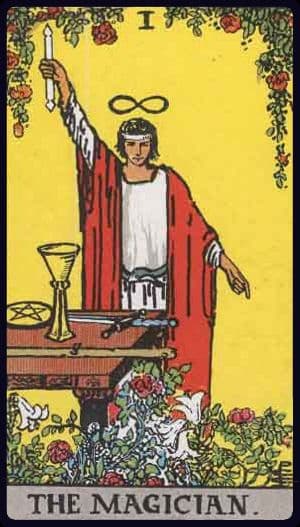
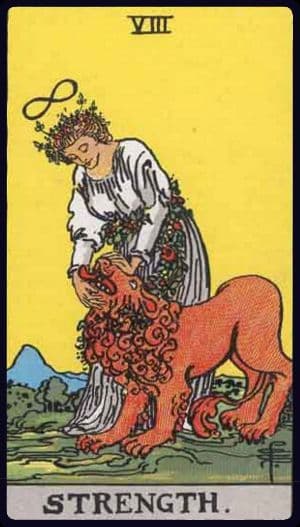
What The Magician and Strength Mean Together
Power takes a quieter form here. The Magician wants to shape reality through skill and intention; Strength adds patience, restraint, and the kind of confidence that does not need to dominate the room to be effective. This pair often reflects persuasive influence without aggression — holding your nerve in a negotiation, beginning something difficult without theatrics, trusting your ability without overselling it. The emotional tone is steady rather than flashy. What works here is controlled force, not display.
What This Pair Reflects
You might be more effective than you realize when you stop equating confidence with intensity. This combination invites you to consider how much can change when your competence is paired with emotional steadiness rather than urgency.
Begin your practice
Your readings, notes, and questions in one private place.
Start a readingIn Different Situations
Relationships
Sometimes the hardest part of being honest with someone is staying calm enough to say what you mean. The Magician carries the ability to express yourself and affect a situation; Strength changes how that ability is used. Instead of pressing for a response or making a flawless case, there is room for a difficult truth to be spoken without trying to overpower the other person. Gentleness here is not silence or surrender. It can mean trusting your words enough to leave space for theirs, especially when the outcome of the conversation is uncertain.
Career
You do not always need to be the loudest person in the room to make your competence visible. The Magician knows how to work with the available tools, communicate and take initiative. Strength brings the steadiness to do that without pushing past everyone else. Together they can reflect a moment when your work is stronger than your urge to defend it. You can make a clear case, tolerate scrutiny and still hold your ground. The difficult edge is self-doubt: restraint helps when it is chosen, but not when it becomes an excuse to keep your contribution unseen.
Decisions
A decision can ask for courage without asking you to be forceful. The Magician points to what you know how to do and the choices within reach. Strength brings patience with fear, frustration or uncertainty while you use those abilities. Together they suggest a quieter test of readiness: can you act without needing to eliminate every uncomfortable feeling first? You do not have to win an argument with yourself to make a considered move. Equally, enduring a situation indefinitely is not necessarily strength. The difference lies in whether composure is supporting a choice or postponing it.
Burnout
Others may see someone calm, capable and good at making difficult things work. They may not see what it takes to stay that way. Strength brings restraint and patience; the Magician knows how to find a workable response. Together, they can make strain almost invisible, including to you. The risk is that steadiness becomes something you feel required to provide every time, even when you have nothing spare. Quiet competence is real. So is the fatigue of constantly containing frustration, finding the words and fixing what is within reach. Composure can be a resource without becoming a permanent obligation.
Feeling Stuck
You've become very good at keeping things manageable. Strength contains the impulse to react, while the Magician finds a way to handle whatever comes next. That can protect what matters, but it can also make an unsatisfying pattern unusually durable. Nothing falls apart, so nothing seems urgent enough to change. Feeling stuck here may have less to do with fear of action than with the skill of making the present bearable. There is value in that skill. It is also possible to be proud of how well you've coped and still notice that coping has become the whole arrangement.
New Beginnings
A fresh start can make even familiar abilities feel strange. You may know what you're capable of and still hesitate when there is no old setting to confirm it. The Magician carries the means to try something; Strength adds the patience to remain present when confidence doesn't arrive on cue. Together, they make room for a beginning that isn't announced with certainty or bravado. You can show up with imperfect words and a steady hand. There is no need for the first attempt to demonstrate everything you might eventually become. Its smaller, honest scale may be what makes it possible.
Grief and Loss
You may have found words that reassure other people, even while your own experience remains difficult to name. The Magician brings expression and the ability to respond; Strength brings dignity and restraint in the presence of strong feeling. Together they can support a kind of steadiness that does not deny the weight of loss. But steadiness can become a role, especially when others seem relieved to see you coping. You don't have to make grief understandable or easy to witness in order for your composure to count. The feelings you cannot put neatly into words still belong beside the words you can offer.
Reversed Variations
Both reversed
Self-doubt can leak into action and make effort feel strained or performative. You may either push too hard to compensate or withdraw before your abilities have a chance to land.
The Magician reversed
The Magician reversed undermines trust in your own capabilities. Strength remains, but it may show up as quiet endurance without the clear self-expression needed to move the situation.
Strength reversed
Strength reversed makes the skilled action feel emotionally wobbly. You may know what to do, yet struggle to regulate fear, frustration, or the need to prove yourself.