Strength & The Tower
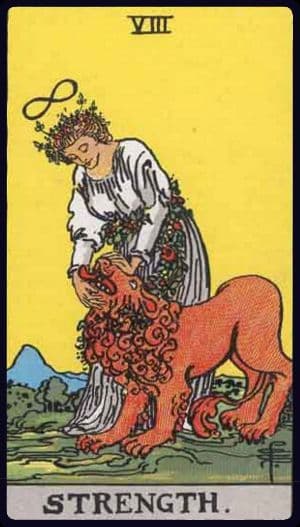
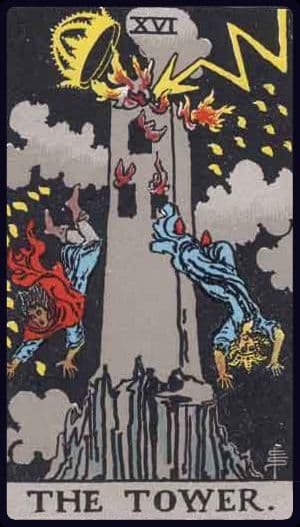
What Strength and The Tower Mean Together
Some shocks do not only test what you believe. They test how you carry yourself when belief breaks. Strength brings resilience, patience, and the ability to remain human under pressure; The Tower brings upheaval, rupture, and the collapse of structures that can no longer hold. Together, they often reflect crisis handled with more composure than you thought possible — not because the impact is small, but because some part of you refuses to let panic be the only response. This pair is sobering. It is also quietly admirable.
What This Pair Reflects
You may be dealing with a breakdown that requires emotional steadiness more than immediate answers. This combination invites you to notice what in you remains intact even as the outer structure changes shape violently.
Begin your practice
Your readings, notes, and questions in one private place.
Start a readingIn Different Situations
Relationships
When something has shaken your trust, staying calm can feel almost impossible, or strangely necessary. The Tower reflects the moment a familiar understanding no longer holds; Strength concerns how you treat yourself and each other while that truth is faced. Keeping a composed face does not undo what happened, and a rupture does not decide the relationship's future on its own. What changes is that the old version of safety cannot simply be assumed. Gentleness has meaning here only if it leaves room for an honest account of the damage.
Career
A change at work can unsettle more than your plans. It can challenge the story you had about your place, your efforts, or what was secure. The Tower strips away an assumption that no longer holds; Strength is what allows a response without letting shock become your whole identity. This isn't a demand to stay positive or endure every loss quietly. There is dignity in naming what's been disrupted and finding what remains within your control, even when the next structure is not yet clear.
Decisions
The facts you were using to make a choice may no longer be the facts you have. The Tower changes the frame of the decision, sometimes abruptly; Strength asks whether you can face that change without rushing to rebuild the old certainty. Fear can push you toward the quickest replacement plan, while pride can keep you loyal to one that has already failed. Neither response has to decide for you. The pairing gives weight to a harder kind of courage: judging the options you actually have, not the ones you expected.
Burnout
When you've been running on resolve for too long, a disruption can feel disproportionately large. The Tower makes visible how much has depended on a fragile arrangement; Strength is the part of you that tries to stay composed as it gives way. This needn't mean a dramatic collapse is coming. It can describe the shock of realizing that the old way of coping no longer fits the strain. You may still be capable, but capability alone cannot rebuild capacity. The important difference is between surviving the jolt and returning to conditions that will keep jolting you.
Feeling Stuck
It's possible to spend a long time bracing for change while also wishing something would finally move. Strength can make endurance feel like the only responsible response; the Tower exposes the instability that endurance cannot settle. This doesn't forecast an upheaval or tell you to tear anything down. It names the strain of holding a shape that no longer fits. The standstill may have less to do with indecision than with knowing that movement would alter a structure you've learned to rely on, even if that structure feels limiting now.
New Beginnings
Some beginnings arrive because an old arrangement has already come apart. The Tower carries the disorientation of that break; Strength is the quiet effort of meeting the unfamiliar without turning yourself into a monument to resilience. You may feel both relieved and shaken, ready to begin and still affected by what ended. Neither feeling cancels the other. This combination doesn't promise that the disruption was necessary or good. It makes space for a beginning that is not clean, chosen in every detail, or immediately steady, but still belongs to you.
Grief and Loss
Some losses break the assumptions that made everyday life feel recognizable. The Tower reflects that sudden absence of structure; Strength points to how a person can remain present without needing to appear unshaken. If your responses feel uneven, that doesn't lessen what you've carried. Nothing here claims the rupture had a purpose, or that resilience turns it into a gift. This is a pairing about the difference between surviving a changed world and being expected to act as though it hasn't changed. A life can be disrupted without your feelings needing to become orderly.
Reversed Variations
Both reversed
The shock may stay half-contained and emotionally corrosive. You could be holding it together outwardly while internally becoming more brittle, irritable, or overwhelmed than you want to admit.
Strength reversed
Strength reversed makes the upheaval harder to metabolize. The collapse still matters, but your ability to stay calm, patient, or grounded under the impact may be compromised.
The Tower reversed
The Tower reversed slows the visible rupture. Strength remains, yet it may be spent enduring ongoing instability rather than responding to one clean break.