The Hermit & Temperance
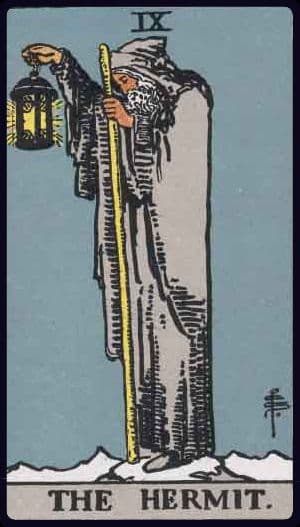
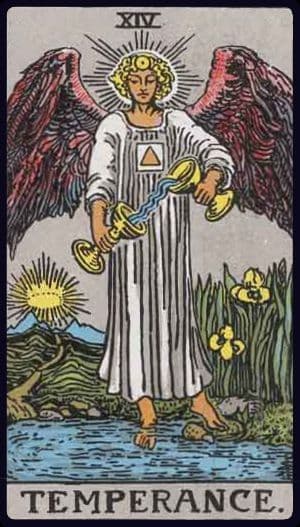
What The Hermit and Temperance Mean Together
Quiet does not always mean absence. Sometimes it is the environment where integration becomes possible. The Hermit brings solitude and inner inquiry; Temperance adds regulation, patience, and the slow blending of what might otherwise stay split apart. Together, they often reflect healing through simplification, a calmer relationship to your own mind, or the choice to step back from noise long enough for emotional chemistry to settle. This pair is understated, but it is rarely accidental.
What This Pair Reflects
You may need less stimulation and more consistency than you have been giving yourself. This combination invites you to consider what actually helps you return to center when life, work, or relationships keep pulling you outward.
Begin your practice
Your readings, notes, and questions in one private place.
Start a readingIn Different Situations
Relationships
A relationship may need a quieter pace without needing less care. Temperance brings the work of finding a rhythm that two people can actually live with; The Hermit asks for enough room to understand what you feel before trying to make everything smooth. Together, they describe balance that includes private space, not constant agreement or contact. There is a difference between stepping back so you can return more honestly and withdrawing until nothing uncomfortable reaches you. A steadier connection leaves room for both closeness and an inner life of your own.
Career
You may be tired of working at a pace that leaves no room to think. Temperance favors a sustainable rhythm and the careful blending of competing demands, while The Hermit values the focused time needed to find your own judgment. This is less about a sudden career breakthrough than about making good work possible again. A quieter schedule can reveal which commitments fit together and which keep draining the same attention. But solitude is not a substitute for asking for support when the workload itself is unreasonable. Balance has to survive contact with the actual job.
Decisions
The options may look like opposites because you have been trying to choose all at once. Temperance looks for a workable balance between real needs; The Hermit gives you distance from the noise that makes one answer feel urgent. Together, they leave room for a third shape to the decision: a different pace, a boundary, or a smaller commitment that preserves what matters on both sides. This is not a call to compromise on everything. Some differences cannot be blended. The useful question is which parts of the choice genuinely conflict, and which only seemed inseparable in the rush.
Burnout
Sometimes you finally get a little quiet and still don't feel restored. The Hermit makes space away from constant input, while Temperance asks whether the pace you return to leaves any room for that quiet to matter. Their shared concern is continuity: not one perfect break, but a rhythm that doesn't use up tomorrow's capacity today. You may need company at some moments and solitude at others; neither is a cure on its own. The strain is easier to understand when you notice what keeps disturbing the balance, rather than judging yourself for not recovering quickly enough.
Feeling Stuck
Not every change announces itself. Temperance works through small adjustments, and The Hermit notices them away from the noise of other people's timelines. If life feels flat, there may be more happening in how you're fitting its pieces together than in what anyone can see from outside. But a peaceful routine can also become so protected that nothing new reaches it. This pairing holds both possibilities without calling either one a failure. What matters is whether the quiet rhythm still lets you respond to life, or whether maintaining that rhythm has quietly become the whole point.
New Beginnings
You may be entering something new without wanting to discard everything that came before it. Temperance makes room for a gradual blending of old habits and unfamiliar possibilities; The Hermit protects the inner judgment that tells you which parts still feel like yours. There needn't be a decisive before-and-after moment. A beginning may ask for a different rhythm rather than a different personality. The caution is not to make adjustment so private and controlled that you never allow the new experience to affect you. Integration needs contact with what is changing, not only time alone to prepare for it.
Grief and Loss
Grief rarely occupies every moment in the same way. Temperance reflects the uneven mixing of sorrow with the ordinary needs of a day, while The Hermit gives space to feelings that may not be easy to share. A quiet hour can help; another quiet hour can feel unbearably long. Neither response means you're handling the loss correctly or incorrectly. This pairing isn't asking you to balance grief away or make peace on a schedule. It recognizes how much attention it can take simply to live alongside what has changed, with room for both connection and privacy.
Reversed Variations
Both reversed
Withdrawal and imbalance can reinforce one another. You may isolate without restoring yourself, or seek harmony while avoiding the deeper solitude needed to understand what is off.
The Hermit reversed
The Hermit reversed weakens the restorative value of being alone. Balance still matters, yet solitude may start to feel more like avoidance or disconnection than true recalibration.
Temperance reversed
Temperance reversed destabilizes the calm the solitude could offer. Reflection remains, but your pacing, regulation, or emotional blending may feel uneven or strained.