The Magician & Temperance
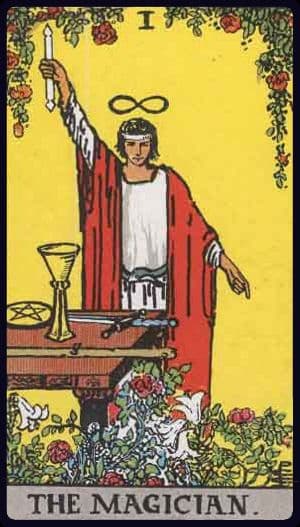
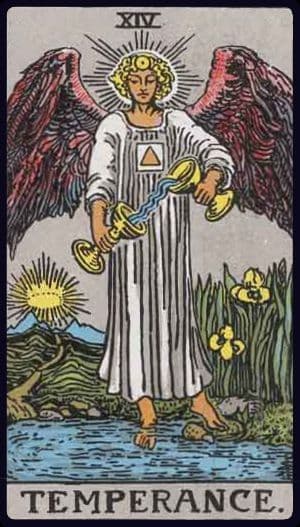
What The Magician and Temperance Mean Together
This pair asks whether your power knows how to pace itself. The Magician is active, precise, and eager to bring an idea into form; Temperance slows the tempo just enough to make integration possible. Together, they often reflect a productive season that could either become sustainable or burn itself out depending on how you handle rhythm, boundaries, and emotional regulation. There is real capability here, but the deeper question is whether you are building something you can live inside, not merely something you can pull off.
What This Pair Reflects
You may not need more inspiration so much as a better relationship to timing. This combination invites you to notice what happens when skill is paired with patience rather than urgency.
Begin your practice
Your readings, notes, and questions in one private place.
Start a readingIn Different Situations
Relationships
You might know exactly what you want to say to someone and still struggle with when or how to say it. The Magician brings intention and the ability to shape a conversation; Temperance asks whether there is room for the other person's pace as well as your own. Together they suggest that skill in a relationship isn't just finding the right words. It is knowing how much to press, what to leave open, and how to make space for a response you can't control. Clarity matters here, but so does the difference between reaching someone and trying to manage the outcome.
Career
Being capable can quietly turn into being responsible for everything. The Magician shows real initiative and resourcefulness; Temperance tests whether that strength is being used at a pace you can sustain. You might be good at making difficult things happen and still notice that every success raises the expectation to do more. This combination puts quality of process beside quality of results: choosing what to combine, when to act, and where to stop. It isn't asking you to dim your ambition. It asks whether your way of working lets the work keep getting better without draining the person doing it.
Decisions
A good idea doesn't always need immediate execution. The Magician recognizes the tools at hand and the desire to make something happen; Temperance brings proportion, timing, and the willingness to adjust the mix. Together they can describe a choice between using your ability quickly and using it well. You may not need to abandon the plan, but neither do you have to prove your commitment by acting at full speed. The decision can become clearer through small, deliberate steps that show what works, rather than one dramatic push meant to settle everything at once.
Burnout
When you're used to making things work, even rest can become another thing to manage well. The Magician's resourcefulness meets Temperance's quieter sense of proportion: having the tools to do more is different from having the capacity for more. You may be putting care into every task while leaving none for the spaces between them. This reading doesn't question your competence. It brings attention to the rhythm in which you use it, and to whether constant adjustment has become a way of keeping an unreasonable amount in motion.
Feeling Stuck
You know how to begin, but each attempt seems to become another cycle of planning, refining, and waiting until the conditions feel right. The Magician brings the impulse and the means to act; Temperance asks how those means can settle into a workable rhythm. Neither constant effort nor endless preparation is much movement. Feeling stuck here may have less to do with a missing breakthrough than with the absence of a pace you can return to without starting over each time. Small adjustments matter when they actually have room to take hold.
New Beginnings
There's an appealing sense that you could make a great deal happen now, and an equally real question about how this new thing fits into your life. The Magician recognizes the means to begin; Temperance attends to what can be combined, adjusted, and sustained. Excitement doesn't have to arrive at full volume to count as commitment. Early experiments may teach you more about the shape of this beginning than a polished vision of where it should lead. Skill gives you options; a measured pace lets you learn which ones belong together.
Grief and Loss
Grief can make even familiar tasks feel unfamiliar: you may be able to arrange the day and still have little control over how it feels. The Magician speaks to the small ways you can shape what is within reach; Temperance makes room for the uneven pace at which the loss becomes part of daily life. This isn't a formula for processing sorrow or a promise that careful habits will make it fade. Some days allow more than others. The two cards hold agency and limitation together, without treating either one as a measure of how well you're grieving.
Reversed Variations
Both reversed
Effort becomes lopsided or excessive. You may swing between overcontrol and diffusion, making it hard to trust either your instincts or your process.
The Magician reversed
The Magician reversed introduces misfires in execution. Temperance stays steady, but the outcome may still suffer if your focus, confidence, or communication remains inconsistent.
Temperance reversed
Temperance reversed disrupts the pacing of the pair. You may have the tools and initiative, but your timing, moderation, or integration is off, leading to strain.