The Chariot & The Hermit
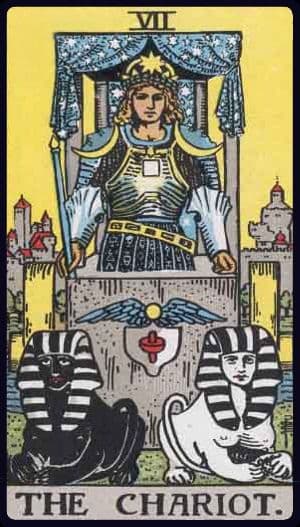
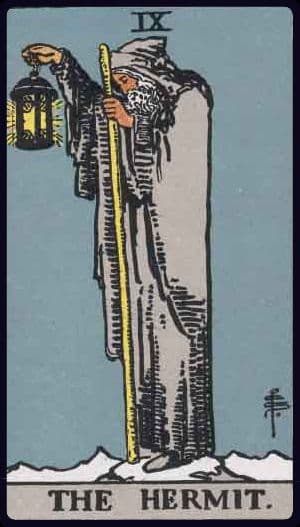
What The Chariot and The Hermit Mean Together
Speed and solitude rarely agree at first. The Chariot wants momentum, visible progress, and a destination; The Hermit slows things down by asking whether your direction actually belongs to you. Together, they often reflect a season where external movement and inner clarity are out of sync — career push, personal reinvention, or achievement that feels oddly lonely from the inside. This pair does not condemn ambition. It asks whether your pace is outrunning your own deeper understanding.
What This Pair Reflects
Consider whether your current drive is helping you find yourself or helping you avoid yourself. This combination invites you to look at where progress may need reflection in order to become meaningful rather than merely impressive.
Begin your practice
Your readings, notes, and questions in one private place.
Start a readingIn Different Situations
Relationships
Distance can be confusing when you still care about moving closer. The Chariot wants a shared direction and visible signs of commitment; The Hermit brings a need to hear your own thoughts before deciding what closeness means. Time alone isn't automatically rejection, and constant momentum isn't automatically intimacy. This pair is useful when you're tempted either to demand an answer or withdraw without explaining why. The difference worth noticing is whether space is making the relationship clearer or keeping a difficult conversation out of reach.
Career
You can be making visible career progress and privately wondering whether you want the destination anymore. The Chariot measures movement through goals and results; The Hermit asks what those achievements mean when nobody else is watching. This pairing doesn't make ambition shallow or solitude superior. It captures the strain of working hard toward a path you haven't had much space to examine. A quieter assessment may reveal renewed conviction, or a different direction. Either way, the question is whether the pace of your work still leaves room for your own judgment.
Decisions
It can feel urgent to choose a direction simply because everyone expects movement. The Chariot responds to that pressure with a plan and a destination; The Hermit asks whether the destination is one you would still choose in private. Reflection isn't necessarily indecision. Yet withdrawing from every conversation can leave you with no clearer answer. This combination points to a decision that needs both independent thought and a willingness to act on it. Other people's expectations may be useful information, but they don't have to become the measure of what fits.
Burnout
You can keep meeting demands long after your reasons for meeting them have gone quiet. The Chariot's grip on momentum can make stopping feel like losing yourself; The Hermit asks what becomes audible when performance no longer fills every hour. Exhaustion here isn't proof that your ambitions are wrong. It may mean you have had no room to ask which efforts still belong to you. A pause can feel uncomfortable precisely because it leaves you with questions achievement had kept at a distance.
Feeling Stuck
You may be doing plenty and still feel as though your life hasn't moved. The Chariot can account for the tasks completed and ground covered; The Hermit notices the quieter absence of direction that feels personally meaningful. Sometimes staying busy protects you from that uneasy realization. At other times, thinking privately for so long becomes another way of remaining out of view. Neither more activity nor more solitude automatically breaks the pattern. What matters here is the gap between motion you can demonstrate and movement you can actually recognize as your own.
New Beginnings
A new beginning can look decisive from the outside while feeling very private and uncertain within. The Chariot wants to commit to the road ahead; The Hermit needs enough quiet to recognize why that road matters. You don't have to turn your first steps into a public declaration of certainty. Equally, keeping the beginning entirely inside your head can prevent it from becoming part of your life. The two cards hold a subtle balance: direction can be real before it is fully understood, and reflection can accompany movement rather than delay it indefinitely.
Grief and Loss
After a loss, ordinary life can keep moving while some part of you needs quiet. The Chariot may appear as the pressure to function, organize, and carry on; The Hermit holds the private experience that doesn't fit that public pace. Neither direction is dishonest. Keeping going can be necessary, and withdrawing can be a way to stay close to what mattered. The strain comes when movement is treated as proof that the loss is behind you, or solitude is mistaken for the only faithful response.
Reversed Variations
Both reversed
Movement and introspection can both become distorted. You may feel driven but directionless, or withdrawn in ways that drain momentum without offering real insight.
The Chariot reversed
The Chariot reversed removes confidence in the path. The inward search remains, but it may feel less like chosen reflection and more like frustrated stalling.
The Hermit reversed
The Hermit reversed weakens the wisdom of the withdrawal. You may keep moving fast while avoiding the solitude that would reveal whether the path still fits.