The Chariot & The Tower
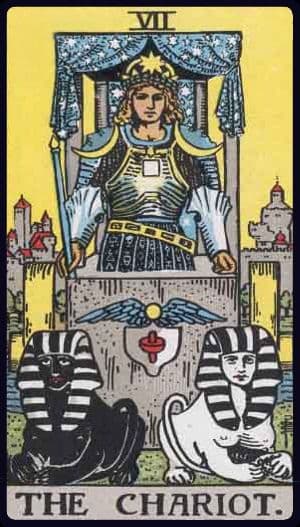
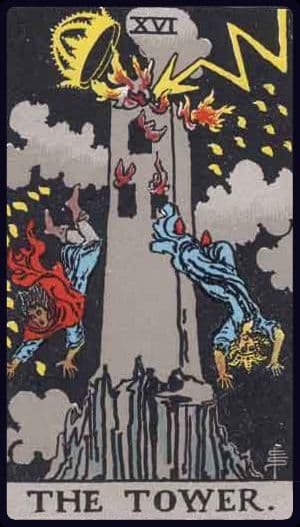
What The Chariot and The Tower Mean Together
The Chariot and The Tower can frame a question about momentum meeting limits. The Chariot brings momentum, command, and the belief that force can carry you through; The Tower brings rupture, breakdown, and the revelation that the structure you were relying on cannot keep taking this speed. Together, they can help you examine whether the pace or force of a plan fits the conditions around it. They do not establish burnout, predict a public failure, or announce a catastrophe.
What This Pair Reflects
You may be trying to push through a situation that has already begun to fracture underneath you. This combination invites you to notice whether the pace is adding pressure, and what observable limits would justify an adjustment.
Begin your practice
Your readings, notes, and questions in one private place.
Start a readingIn Different Situations
Relationships
You may be trying to hold a relationship together through sheer effort, even as something important between you has changed. The Chariot wants to regain direction; The Tower points to a crack in the understanding or structure that direction depended on. This pairing does not predict a breakup or a sudden revelation. It asks whether the problem can be addressed as it is, rather than managed away by working harder. Repair is possible in some circumstances, but it needs an honest view of what's unstable. Pushing for normality before naming the fracture can leave both people unheard.
Career
You can keep a project moving and still sense that its foundations are not keeping up. The Chariot represents the push to deliver; The Tower raises the possibility that an assumption, process or commitment can no longer bear that pressure. This is not a forecast of public failure or collapse. It is a reason to examine evidence you might otherwise outrun: repeated rework, ignored concerns or goals that no longer match the conditions. Stepping back can preserve meaningful progress. The real loss may be treating a warning as an obstacle to overcome instead of information to use.
Decisions
A plan can feel decisive right up until new information changes what it rests on. The Chariot favors staying the course; The Tower questions whether the course is still built on solid ground. Together, they distinguish courage from refusing to revise an assumption. You don't have to abandon every part of a decision because one part is uncertain, and there is no promise of an imminent upheaval here. But if the facts have shifted, maintaining momentum for its own sake may cost more than a deliberate pause. A change of direction can be an act of control, too.
Burnout
You may have become very good at getting through days that no longer feel sustainable. The Chariot represents that ability to keep going; The Tower brings attention to the strain on the structure holding the effort together. Perhaps the schedule, expectations or basic conditions leave no room for anything to go wrong. This isn't a forecast of a breakdown. It is a way to take existing warning signs seriously rather than treating them as another challenge to overcome. More willpower cannot create capacity where the foundations of the day offer none.
Feeling Stuck
There can be a strange paralysis after something you counted on stops feeling solid. The Chariot wants to recover its old momentum, but The Tower questions the ground that momentum used to rely on. Repeating familiar moves may feel useless because the conditions for them have changed. You need not call that change a catastrophe, or assume that everything must be rebuilt. This pair gives the stuckness a possible shape: the old way of advancing has lost some of its footing, and force alone does not restore it. The pause may be information, not defeat.
New Beginnings
Not every beginning arrives as a welcome invitation. Sometimes it starts when an old arrangement proves less stable than you thought. The Tower captures the unsettling change in what feels reliable; The Chariot brings the wish to regain a sense of direction. Together they speak to the temptation to rush into a replacement plan just to feel steady again. That urgency is understandable, but the new ground may need to be seen clearly before speed helps. This doesn't predict further disruption. It allows the beginning to be uncertain without casting it as either disaster or liberation.
Grief and Loss
Loss can unsettle more than what is missing. It can disturb your trust in the ordinary shape of a day. The Tower holds that disorientation, the sense that something you relied on is no longer secure; The Chariot describes the effort to keep functioning through it. You might manage practical things well and still feel abruptly unsteady in quiet moments. There is no contradiction there. These cards don't tell you that another shock is coming or that composure equals healing. They recognize how much effort it can take to move through a world that no longer feels arranged as it did.
Reversed Variations
Both reversed
The breakdown may be delayed or partially contained, but the pressure remains severe. You could be maintaining momentum on the surface while the underlying structure continues to split.
The Chariot reversed
The Chariot reversed weakens your control over the impact. The rupture still matters, but your response may be panicked, misdirected, or unable to stabilize the fallout.
The Tower reversed
The Tower reversed slows the visible collapse. The push continues, yet cracks deepen in quieter ways, making the eventual reckoning no less real.