The Hermit & The Devil
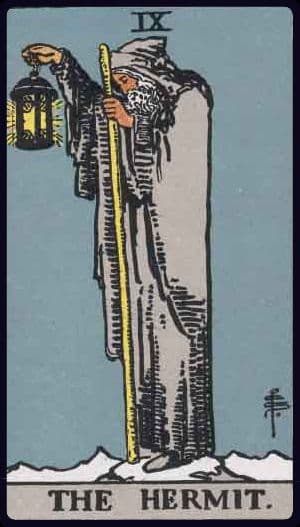
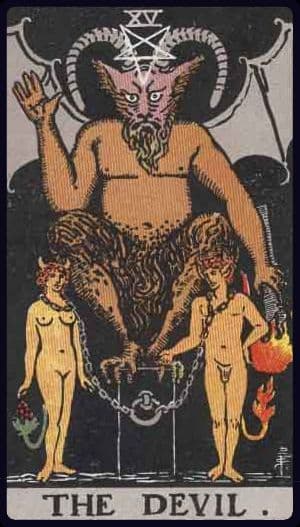
What The Hermit and The Devil Mean Together
Withdrawal can clarify a pattern, but it can also hide it. The Hermit turns inward in search of truth; The Devil exposes attachment, shame, compulsion, and the private bargains people make to keep uncomfortable desires contained. Together, they often reflect lonely habits, secret dependencies, or the realization that what happens in private is shaping you more than what you admit in public. This pair is introspective, but not gentle by default. It asks what your solitude is feeding.
What This Pair Reflects
You may be confronting something that thrives in secrecy, repetition, or emotional isolation. This combination invites you to notice whether time alone is helping you hear yourself more clearly or simply giving an unhealthy loop more room to deepen.
Begin your practice
Your readings, notes, and questions in one private place.
Start a readingIn Different Situations
Relationships
It can be hard to admit how much a relationship has come to depend on a familiar pattern, even when that pattern leaves you lonely. The Devil draws attention to attachment, guilt or a need for reassurance that keeps repeating; The Hermit brings it into the privacy where you might finally recognize it. This combination does not prove that someone is hiding something or that the bond is harmful. It asks whether solitude is helping you see the attachment clearly, or making it easier to keep returning to the same hurt without naming it.
Career
There is a kind of overwork that looks like dedication from the outside but feels difficult to stop when no one is watching. The Devil reflects the pull of approval, status or a standard you can never quite meet; The Hermit asks what that pressure sounds like when you are alone with it. Together, they can expose a private bargain: keep achieving, and perhaps you will finally feel secure. This is not a verdict on ambition. It is a distinction between work you choose because it matters and work you feel unable to set down, even after its rewards have thinned.
Decisions
A choice can feel strangely hard when part of you already knows what keeps pulling you back. The Devil highlights the comfort, fear or attachment tied to one option; The Hermit creates enough distance to examine that pull without an audience. Together, they do not label your desire wrong. They ask whether the decision is being shaped by what you value now or by relief you have learned to seek on repeat. Solitude can help you see the difference, but it can also turn into private bargaining if admitting the pattern would require an unfamiliar choice.
Burnout
Rest can feel strangely uncomfortable when being needed has become part of how you measure yourself. The Devil reflects the grip of that private rule; The Hermit brings you face to face with it when nobody is asking anything of you. You might step away from demands yet keep rehearsing them inwardly, as if stopping requires permission you cannot give yourself. This doesn't make your commitment false or your tiredness a personal failing. It suggests that removing the noise and loosening its hold are different experiences. Quiet may reveal how much pressure you have learned to carry alone.
Feeling Stuck
A familiar loop can feel safer than the space outside it, even when it leaves you dissatisfied. The Devil gives the repetition its pull; The Hermit makes the loop private, something you may understand very well without feeling any freer of it. You might have examined the pattern so often that recognizing it has started to stand in for experiencing anything different. This is not evidence of weakness, and solitude itself isn't the problem. The sharper tension is that knowing what confines you and loosening your attachment to it are not the same thing. Insight can coexist with a very narrow room.
New Beginnings
Starting over doesn't automatically release the habits that once made life feel manageable. The Devil points to a familiar attachment, perhaps a way of seeking control or reassurance, while The Hermit offers enough distance to recognize its place in your story. A new beginning can feel exposed precisely because those old protections still appeal to you. This needn't turn the past into something shameful; some habits helped you through difficult periods. The question is how much room they leave for an unfamiliar experience now. Understanding the pull is meaningful, even if the pull has not vanished with the change of circumstances.
Grief and Loss
After a loss, a familiar place, object or routine can carry more weight than it once did. The Devil reflects how tightly we may cling to what still offers a sense of closeness; The Hermit brings that attachment into a private space where it can be hard to judge gently. Holding on is not automatically unhealthy, and this combination does not turn love or longing into a problem. It does notice when the fear of changing anything begins to make solitude feel smaller. Remembering what mattered and allowing life to take a different shape can remain difficult, unfinished concerns at the same time.
Reversed Variations
Both reversed
Awareness may be growing, but the pattern has not lost all of its hold. You might see the attachment more clearly while still feeling ashamed, withdrawn, or unsure how to live differently.
The Hermit reversed
The Hermit reversed distorts the introspection of the pair. The attachment remains active, but you may keep yourself too distracted or disconnected to face it cleanly.
The Devil reversed
The Devil reversed loosens the grip of the compulsion. Solitude can then become more clarifying and less haunted, provided you do not use withdrawal to avoid the next honest step.