The Devil & The Tower
What The Devil and The Tower Mean Together
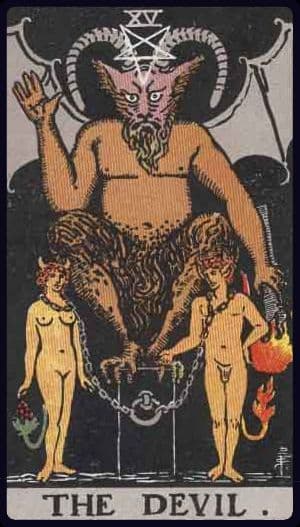
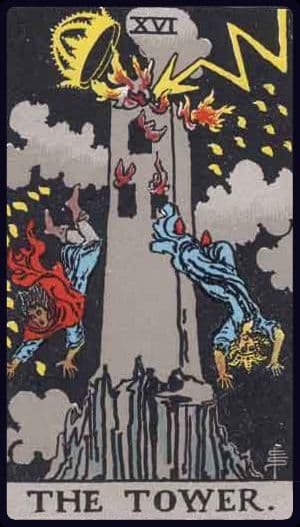
This is the kind of pair that surfaces when an unhealthy structure can no longer keep hiding behind familiarity. The Devil brings attachment, compulsion, and the sticky emotional logic of what feels impossible to leave; The Tower brings rupture, exposure, and the collapse that follows once denial has lost its grip. Together, they can help you examine the strain in an attachment or structure you already find difficult to sustain. They cannot diagnose addiction or forecast a rupture, exposure, or financial crisis.
What This Pair Reflects
You may be confronting the moment when a pattern stops being merely unsatisfying and starts becoming unsustainable. This combination invites you to notice what observable strain says about the arrangement, and which concerns still need checking.
Begin your practice
Your readings, notes, and questions in one private place.
Start a readingIn Different Situations
Relationships
There's a difference between a difficult relationship and one that keeps asking you to ignore what hurts. The Devil shows how closeness, longing or fear of loss can make a familiar pattern hard to question; The Tower brings the strain into view when the story that justified it stops holding up. This does not predict a breakup or tell you what someone is hiding. It asks what has actually happened between you, and whether the bond can be understood without excusing the same hurt again.
Career
A job can become so entangled with security, status, or self-worth that questioning it feels dangerous. The Devil describes the grip of those stakes; The Tower brings attention to what is no longer working beneath the promise of stability. That might be an unsustainable pace, a role built around constant appeasement, or repeated compromises you've begun to notice. The cards do not forecast layoffs or a sudden collapse. They ask which pressures are observable, which fears are keeping you in place, and what would need to change for the structure to be worth preserving.
Decisions
The hardest part of a decision may be admitting that the option you've relied on is no longer as solid as you hoped. The Devil names the pull of sunk effort, familiarity or fear; The Tower exposes pressure points that become difficult to explain away. This is not an instruction to make a dramatic break. First separate what you can observe from what you fear might happen. If the reasoning that held the choice together has cracked, continuing deserves as much examination as changing course. The disruption here is to your assumptions, not a guaranteed external event.
Burnout
Something that once looked like discipline may now feel impossible to interrupt, even as it wears you down. The Devil describes the hold of the routine, the expectations or the fear of what happens if you stop. The Tower exposes the strain that keeping it all intact has required. This does not foretell a breakdown. It brings a harder truth into view: a system can seem stable mainly because you absorb its cost. The exhaustion deserves to be treated as information, not as another obstacle to push through.
Feeling Stuck
Part of what keeps you in place may be the effort of preventing anything from changing. The Devil captures the pull of a familiar loop, even one you no longer enjoy. The Tower unsettles the belief that keeping the loop intact is the safest or only possible arrangement. That does not mean a dramatic event is coming, or that you have to force one. Sometimes the first disruption is admitting how much effort the apparent stillness takes. What looked like doing nothing may have been a continuous act of holding things together.
New Beginnings
A fresh start can arrive while the old structure still feels close enough to pull you back. The Devil reflects habits and attachments that made the previous chapter difficult to loosen; The Tower shows how unreliable some of its foundations have become. Newness does not automatically free you from the terms you learned there. Nor does it promise another upheaval. There is a careful distinction between stepping into unfamiliar circumstances and carrying the old pressure into them unchanged. What has cracked can be acknowledged without making disruption the whole story of what begins.
Grief and Loss
Loss can change the shape of everyday life so abruptly that your mind keeps returning to how things were supposed to remain. The Tower reflects that altered ground; The Devil points to the grip of guilt, repeated questions or the need to undo what cannot simply be undone. Neither card makes the person or thing you miss unhealthy, and neither predicts further loss. The strain may come from trying to restore a familiar world while also living in the one that exists now. There is no neat answer hidden in that tension.
Reversed Variations
Both reversed
The pattern may remain active while the rupture is delayed or internalized. You could be containing the fallout outwardly while privately feeling the structure crack under the weight of what you already know.
The Devil reversed
The Devil reversed loosens the bond before the collapse fully lands. The break may still be disruptive, but there is more room for release and less total captivity inside it.
The Tower reversed
The Tower reversed slows the visible break in the unhealthy structure. The attachment remains active, and the fallout may come through erosion, secrecy, or repeated strain instead of one obvious rupture.