The Emperor & The Tower
What The Emperor and The Tower Mean Together
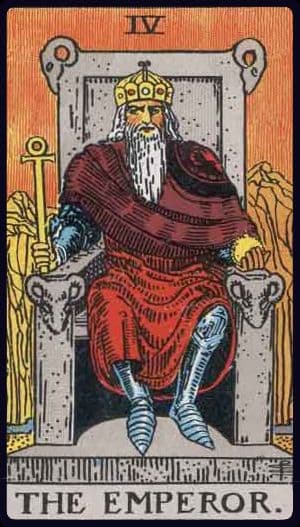
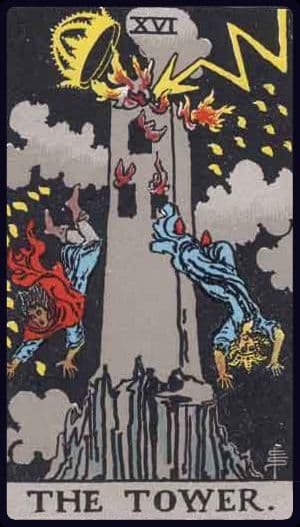
A structure built to hold can still be the very thing that breaks. The Emperor represents order, hierarchy, and systems meant to create stability; The Tower is the moment those systems reveal a fault line too large to manage away. Together, they often reflect institutional upheaval, identity collapse, leadership failure, or the painful discovery that what looked solid was held together by force, denial, or outdated assumptions. The impact can be brutal because the structure often felt necessary. So does the clarity that comes after it falls.
What This Pair Reflects
You may be facing the collapse of a framework you relied on for safety, status, or coherence. This combination invites you to ask what was actually holding the system up — truth, or sheer force of maintenance.
Begin your practice
Your readings, notes, and questions in one private place.
Start a readingIn Different Situations
Relationships
When the rules that held a relationship together stop working, the change can feel bigger than the disagreement that brought it into view. The Emperor represents the roles and expectations that made the connection feel settled. The Tower unsettles the belief that those arrangements can hold everything indefinitely. This does not necessarily mean a breakup. A difficult truth, a shift in trust, or a change in what each person needs may expose a way of relating that can no longer stay unexamined. The important distinction is between protecting the relationship and insisting that its old shape remain untouched.
Career
A professional structure you relied on may be harder to trust once its weaknesses become visible. The Emperor is the chain of responsibility, established process, or leadership that is supposed to keep work steady. The Tower marks a sharp challenge to that certainty. It need not predict a firing or an organization's collapse; it can describe the unsettling moment when the old way of doing things no longer deserves automatic confidence. If you're responsible for holding a team or project together, the pressure to appear in control may be especially strong. The fault line matters more than the appearance of calm.
Decisions
It is difficult to make a careful choice when the plan you trusted has started to come apart. The Emperor wants a firm basis for deciding; The Tower exposes where that basis may no longer hold. This combination can feel unsettling because doubling down on the old rules offers immediate relief, even if those rules have already failed to explain what is happening. It does not insist on a dramatic break. It asks for an honest look at which assumptions remain sound and which are being protected mainly because changing them would be frightening. A decision made with that distinction is different from pretending the disruption never happened.
Burnout
Sometimes exhaustion comes from being the person who keeps a failing arrangement standing. The Emperor holds the rules, duties and standards that once made things manageable; The Tower exposes the strain those supports can no longer contain. You may be working harder to preserve a sense of order than the situation can reasonably ask of you. This is not a verdict that everything must fall apart, nor evidence that you have failed to cope. It makes the difference between your own limits and the weaknesses of what you have been holding up difficult to ignore.
Feeling Stuck
Keeping everything in its proper place may have become the reason nothing can change. The Emperor represents the familiar system of rules and expectations; The Tower reveals where its apparent stability is already fractured. You might feel unable to move because every possible movement seems to threaten the order you depend on. The tension is not simply a lack of courage. Something about the structure may have stopped fitting, even while it remains difficult to imagine life without it. You do not need to declare the whole thing ruined to acknowledge the cracks.
New Beginnings
Starting over can be unsettling when the old structure did not end on your terms. The Emperor carries the need for order after a disruption; The Tower holds the memory of how suddenly an apparently secure arrangement can stop working. It makes sense to want a firm plan immediately, especially if uncertainty has already cost you something. But rebuilding the exact same walls may also rebuild the pressures you have only just left. A new beginning here has room for both caution and change. You can value stability without pretending that every old rule deserves to come along.
Grief and Loss
Some losses unsettle the structure of everyday life as much as the heart. The Emperor is the familiar order: a role you knew, a routine you counted on, a way things were supposed to hold together. The Tower reflects the shock of finding that order no longer intact. Even small practical tasks can feel different when the framework around them has changed. There is no need to turn this into a lesson about rebuilding or strength. What mattered helped organize your life, and its absence may disturb more than one part of it at once.
Reversed Variations
Both reversed
The breakdown may be delayed, controlled, or happening internally, but the strain is still severe. You may be pouring energy into preserving order while the foundations continue to crack.
The Emperor reversed
The Emperor reversed weakens the structure before the rupture becomes obvious. The collapse may reveal domination, poor leadership, or brittle control that had already hollowed things out.
The Tower reversed
The Tower reversed slows the destruction of the system. Authority still feels under threat, but the break unfolds more gradually, with more tension and less immediate release.