The Emperor & Wheel of Fortune
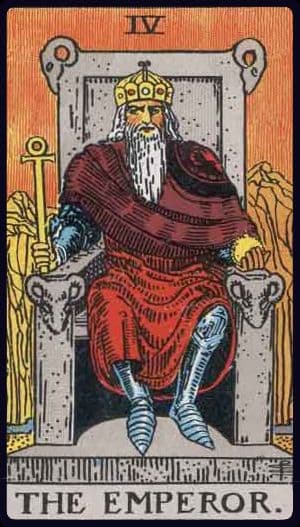
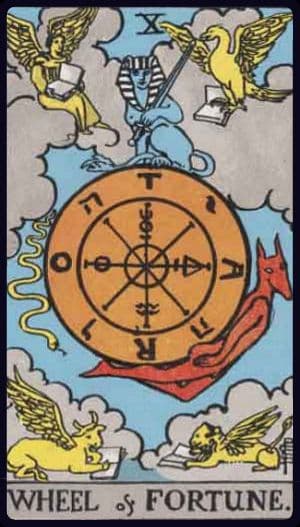
What The Emperor and Wheel of Fortune Mean Together
There is a real tension here between what can be managed and what cannot. The Emperor wants order, predictability, and systems strong enough to withstand disruption; Wheel of Fortune introduces timing, cycles, and the uncomfortable fact that not every turning point is earned or prevented by discipline alone. Together, they often reflect a season when established structures are meeting change — a promotion, a market shift, a family transition, a life event that tests how much control actually exists. This pair asks whether your stability is adaptive or merely rigid.
What This Pair Reflects
Consider how you respond when life stops respecting your preferred timeline. This combination invites you to notice whether your structure can bend with change or whether it only feels strong when conditions stay familiar.
Begin your practice
Your readings, notes, and questions in one private place.
Start a readingIn Different Situations
Relationships
It can be unsettling when a relationship changes pace just as you have begun to trust its shape. The Emperor values promises, boundaries and a sense of where things stand; Wheel of Fortune brings changing circumstances that neither person can fully manage. A shift in timing or availability does not, by itself, reveal how much someone cares. The more useful distinction is between commitments that can stay steady and habits that may need to change. This pair holds both needs at once: enough structure to feel secure, and enough flexibility to meet a life that is not standing still.
Career
It is frustrating to do careful work and still have the ground shift beneath it. The Emperor trusts planning, reliable processes and earned authority; Wheel of Fortune brings changes in timing, priorities or circumstances that good management cannot prevent. Together, they challenge the belief that a sound plan should guarantee a stable result. The useful part of The Emperor is not the ability to freeze events. It is the capacity to decide what must remain dependable while the approach changes. This pair can describe leadership under uncertainty without pretending that every setback is a failure of discipline.
Decisions
You want to make a responsible choice, but too much depends on timing and events beyond your reach. The Emperor looks for a plan that can hold; Wheel of Fortune reminds you that a plan is not a promise about what happens next. Together, they invite a distinction between risks you can prepare for and uncertainty no amount of preparation will remove. Waiting for complete control may mean never choosing, while acting as though the conditions cannot change is another form of wishful thinking. A sound decision can have clear reasons and still remain open to adjustment.
Burnout
An old routine can keep demanding the same effort after your energy has stopped following the old pattern. The Emperor trusts consistency, while Wheel of Fortune brings variation that a schedule cannot command. Together they show why tightening the routine may make depletion worse: you are treating changing capacity as a failure of management. Some structure may still protect your day, but it cannot make every day identical. This is less about abandoning responsibility than recognizing which expectations were built for conditions that are no longer here.
Feeling Stuck
Things keep happening, but you don't feel any farther along. Each new turn asks you to rearrange what you had just made workable. The Emperor responds by rebuilding order; Wheel of Fortune reflects the shifting conditions that keep undoing the familiar pattern. Over time, the work of steadying your life can take up the space where a sense of progress might have grown. Some limits are real and outside your control. Being surrounded by change and feeling stuck aren't opposites when so much of your energy goes into finding your footing again.
New Beginnings
Starting over can leave you without the small habits that used to make a day feel like yours. You may welcome what is opening and still miss knowing where you fit. The Emperor looks for familiar rhythms and dependable commitments; Wheel of Fortune reflects the unsettled interval before those things have had time to form. Nothing necessarily needs fixing simply because the new shape feels strange. Even ordinary moments can require more attention when there is no pattern to return to yet. This beginning is real, but a sense of belonging to it may still be taking shape.
Grief and Loss
A loss can unsettle the sense that life follows a pattern you understand. The Emperor reaches for what remains dependable; Wheel of Fortune makes the change in circumstances impossible to ignore. It may be painful to find that ordinary days continue and alter their shape even while something important is absent. There is no schedule these cards impose for feeling differently. What they hold together is the need for some familiar ground and the reality that your relationship to that ground may keep changing. Stability need not mean feeling the same from one day to the next.
Reversed Variations
Both reversed
Resistance and bad timing may harden each other. You could be tightening control in response to disruption, only to find that rigidity makes the cycle harder to navigate.
The Emperor reversed
The Emperor reversed weakens the container around the change. The wheel is turning anyway, but leadership, planning, or stability may feel domineering, shaky, or outmatched.
Wheel of Fortune reversed
Wheel of Fortune reversed makes the changing conditions feel less cooperative. Order still matters, yet the situation may involve delays, setbacks, or a frustrating sense of working against the cycle.