The Hermit & The Hanged Man
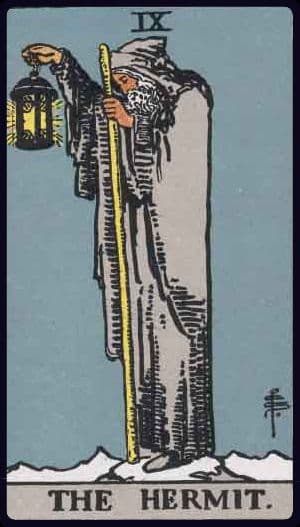
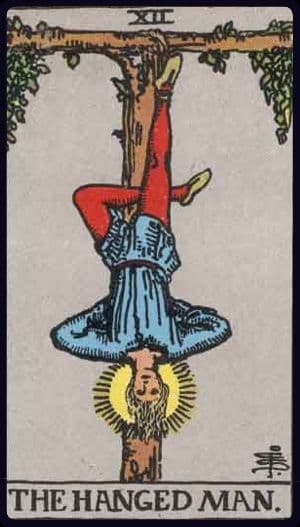
What The Hermit and The Hanged Man Mean Together
This pair knows the strange discomfort of insight that arrives too slowly to be satisfying. The Hermit searches inwardly with intention; The Hanged Man suspends action until a different perspective can actually take hold. Together, they often reflect deep periods of waiting, retreat, and internal reorientation, especially when an old way of seeing no longer works but a new one has not fully landed. The mood can be quiet to the point of ache. Still, something important is ripening beneath the apparent standstill.
What This Pair Reflects
You may be in a phase where progress looks more like perception than movement. This combination invites you to consider whether the pause is empty, or whether it is teaching you to see without immediately turning every insight into action.
Begin your practice
Your readings, notes, and questions in one private place.
Start a readingIn Different Situations
Relationships
You can care about someone and still need distance before you know what to say. The Hanged Man describes a relationship question that cannot be settled by pushing harder; The Hermit gives that pause a more private purpose, a chance to hear your own thoughts without the pressure to respond. This does not, by itself, mean a separation is coming. It does raise a difference worth noticing: time apart can change how you see each other, or it can become a way of never having the difficult conversation. The silence alone cannot tell you which.
Career
Work can feel stalled even while your understanding of it is changing. The Hanged Man reflects a pause you cannot solve through another burst of effort; The Hermit turns that time toward examining what you are working for and whose definition of progress you have been following. Together, they may describe an interval of study, waiting or stepping away from constant demands. The pause has value if it changes what you can see. It becomes less useful when reflection is only a safer name for postponing a choice you already understand.
Decisions
You may be asking yourself to decide before you have understood what the choice really means. The Hanged Man interrupts the rush to act; The Hermit makes that interruption useful by turning attention away from everyone else's certainty and toward your own reasoning. Together, they suggest that the question itself may change when viewed from a quieter place. Waiting is not automatically wisdom, though. If each new round of thought returns you to the same known trade-off, the pause may have stopped offering perspective and started protecting you from the discomfort of choosing.
Burnout
Being too depleted to move is not the same as choosing to pause, and the difference can be hard to feel from inside exhaustion. The Hanged Man holds life in suspension while The Hermit looks for an understanding that cannot be hurried. Together, they reflect the frustrating space where slowing down is necessary but your mind keeps demanding proof that the time is useful. Even solitude can become another task if every quiet hour has to produce an answer. A change in perspective may be possible here, but tiredness does not have to justify itself by becoming wisdom.
Feeling Stuck
Having no clear way forward can make solitude feel less like privacy and more like being left behind. The Hanged Man holds the part of the standstill you did not choose; The Hermit seeks understanding in the moments you can claim for yourself. When circumstances keep you waiting, even time spent willingly alone can lose its sense of freedom. You may want quiet to hear your own thoughts and resent how much quiet has been imposed on you. This does not turn the contradiction into a lesson about patience. It recognizes how difficult it can be to tell forced stillness from a retreat that still belongs to you.
New Beginnings
A beginning can arrive before you feel ready to call it one. After a long interval of waiting or looking inward, The Hanged Man and The Hermit describe a threshold shaped less by excitement than by a changed way of seeing. You may not want to rush into a new identity just because the old position has loosened. The solitude that helped you understand the past can still matter, but staying suspended forever would make the new possibility impossible to meet. There is room here for a start that is tentative, incomplete and still genuinely new, without pretending all the uncertainty has cleared.
Grief and Loss
Loss can make time feel suspended while ordinary life continues around you. The Hanged Man reflects that altered pace; The Hermit holds the private work of understanding an absence that others may not fully see. Being alone with it may offer space, or it may make the distance from everyone else feel sharper. This combination doesn't promise that reflection will turn the loss into an answer. Sometimes the change in perspective is simply recognizing how different the world looks now. There is no set point at which the pause must end, and no requirement to make something useful out of what has gone.
Reversed Variations
Both reversed
The withdrawal can harden into stagnation here. You may be isolated, overthinking, and unable to surrender enough for the pause to become illuminating rather than simply inert.
The Hermit reversed
The Hanged Man reversed resists the surrender that gives the solitude meaning. Reflection remains, but it may circle the same terrain because you are still trying to force resolution.
The Hanged Man reversed
The Hermit reversed makes the pause lonelier and less guided. Suspension still exists, yet without enough inner trust it can feel like aimless drift rather than meaningful perspective shift.