The Hanged Man & The Tower
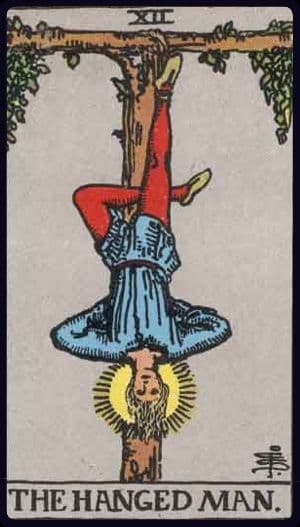
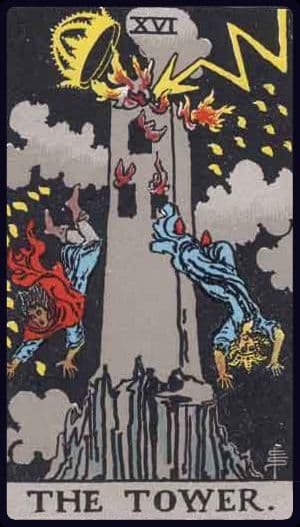
What The Hanged Man and The Tower Mean Together
The shock does not always arrive as an event first. Sometimes it arrives as the dawning realization, in the middle of a standstill, that your old perspective cannot survive. The Hanged Man brings suspension and a forced shift in viewpoint; The Tower brings rupture, revelation, and the collapse of what could not keep holding. Together, they can help you examine a perspective that no longer explains your circumstances. A pause can reveal strain without establishing burnout or predicting that a relationship or structure is about to break.
What This Pair Reflects
You may be in a pause that is not protecting the old structure so much as exposing how unstable it already is. This combination invites you to notice whether the stillness is helping you see which assumptions need revisiting and which feared disruptions remain uncertain.
Begin your practice
Your readings, notes, and questions in one private place.
Start a readingIn Different Situations
Relationships
The unsettling part may be realizing an old explanation of your relationship no longer fits. The Hanged Man slows the impulse to explain it away; The Tower exposes the assumption that no longer holds. This can change how you understand the relationship, even when no dramatic event has occurred. A realization alone cannot establish betrayal or decide whether to part. It points to the difficulty of carrying on as though an important realization has not happened. The question is what remains true once the old assumptions are no longer doing the work.
Career
Your career plan can look stable until you realize it rests on assumptions you no longer trust. The Hanged Man creates distance from the old way of seeing your role; The Tower brings the unsettling recognition that part of that picture may not hold. The disruption can be an insight, not necessarily a sudden job loss or an external crisis.
Their overlap matters when it feels impossible to resume business as usual after something has become clear. They leave room to reassess the work, the expectations around it, and which parts of the plan still deserve your effort.
Decisions
You may be weighing two options when the assumption behind both has already begun to fall apart. The Hanged Man asks you to look again from an unfamiliar angle; The Tower exposes the part of the old picture that no longer makes sense. The pair can mark an unsettling change in how you understand the decision, not a forecast that disaster is coming. More pros and cons may not help if the original question is built on something you no longer believe. The useful shift is being willing to reconsider what you are choosing between before you commit to either path.
Burnout
You may have slowed down only to realize how much of your life depended on never slowing down. The Hanged Man holds the usual motion still; The Tower brings the unsettling sight of a structure that no longer feels dependable. This need not mean an actual collapse is coming. The disruption may be the realization that the old pace was holding things together at a cost you can no longer ignore. Rest can feel uneasy when it exposes that truth. There is room to question the arrangement without having to solve its entire future at once.
Feeling Stuck
It can feel as though nothing is moving while your understanding of everything is changing. The Hanged Man suspends the familiar response; The Tower unsettles the explanation that used to make the standstill tolerable. No outward disaster needs to happen for an old assumption to stop feeling convincing. That leaves a peculiar kind of stuckness: you cannot go back to the old certainty, but you may not yet have language for what replaces it. The discomfort comes less from a missing answer than from seeing that the old frame no longer fits.
New Beginnings
Starting again after something has shaken your assumptions rarely feels like stepping onto solid ground. The Tower marks the loss of an old framework, while The Hanged Man holds the uneasy interval before a different perspective has taken shape. You may know what no longer fits more clearly than you know what you want next. That uncertainty does not have to be turned into a triumphant reinvention. A beginning here can be modest: making space for what is true now, without rushing to build a complete new story over the remains of the old one.
Grief and Loss
After a loss, the world can look unchanged to everyone else while the structure of your own days feels altered. The Tower reflects that break in what used to seem reliable; The Hanged Man catches the strange stillness that can follow, when even familiar choices feel different. The loss need not have been sudden for the change to be profound. There is no requirement to turn the disruption into a lesson or to find a better perspective. For now, it may be enough to recognize that the old way of making sense of things no longer holds everything you carry.
Reversed Variations
Both reversed
The rupture may be delayed, contained, or happening mostly inside. You may feel suspended in dread, knowing something fundamental is unstable while trying to keep the visible collapse at bay.
The Hanged Man reversed
The Hanged Man reversed resists the perspective shift that would make the disruption legible. The Tower still breaks through, but you may meet it with more panic and less understanding.
The Tower reversed
The Tower reversed slows the outer break. The pause remains intense, yet the collapse may arrive through erosion, repeated strain, or inner unraveling before anything obvious changes.