The Hierophant & The Hermit
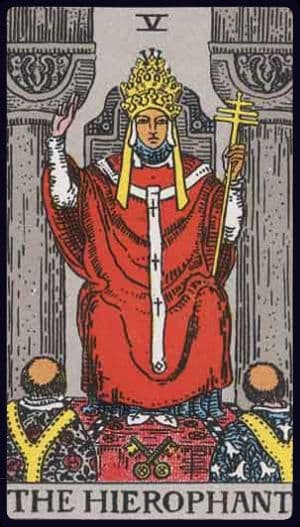
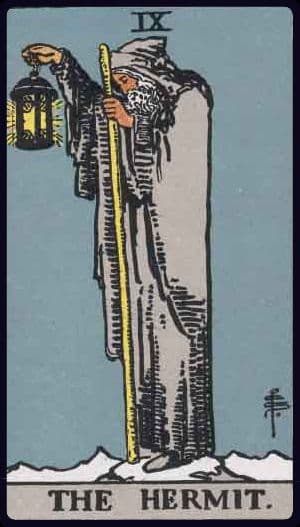
What The Hierophant and The Hermit Mean Together
There is a meaningful difference between inherited wisdom and wisdom earned in solitude, and this pair lives inside that difference. The Hierophant offers teachings, institutions, and shared frameworks of meaning; The Hermit seeks truth through retreat, direct experience, and inward searching that does not need public validation. Together, they often reflect a period of spiritual or intellectual reevaluation — learning from tradition while quietly asking where it stops fitting. This combination is not automatically rebellious. It is discerning about what deserves to be carried inward and what should remain outside.
What This Pair Reflects
Consider whether the guidance shaping your life still feels alive when no one is watching you follow it. This pair invites you to ask what beliefs remain true in solitude, after performance and belonging fall away.
Begin your practice
Your readings, notes, and questions in one private place.
Start a readingIn Different Situations
Relationships
You may be hearing a lot about what a relationship ought to look like while feeling unsure what is true for you. The Hierophant represents shared beliefs, advice and the comfort of belonging; The Hermit needs enough quiet to tell borrowed expectations from personal conviction. Pulling back to think is not necessarily pulling away from someone. Nor is outside guidance automatically wrong. These cards together describe a need to hear both without confusing approval with closeness. Advice can offer a useful frame, but it cannot tell you what a particular connection feels like from the inside.
Career
You can respect what you've been taught and still need room to think beyond it. At work, the Hierophant speaks to professional knowledge, established methods and guidance from people with experience. The Hermit asks what your own careful observation is showing you, especially when a widely accepted approach feels incomplete. This pairing isn't a contest between expertise and independence. It points to a quieter kind of competence: knowing when a mentor's advice is useful and when your particular situation calls for a conclusion you have to reach yourself. Isolation alone is no guarantee of better judgment.
Decisions
You may have collected plenty of good advice and still not feel settled. The Hierophant offers the perspective of people, traditions and methods you trust, while The Hermit asks what remains convincing when those voices grow quiet. Their tension isn't a command to ignore others or disappear until you're certain. It is about giving shared wisdom a fair hearing without using it to avoid your own responsibility for choosing. A decision can be informed by people who know more than you do and still require a judgment only you can make about your life.
Burnout
You can be exhausted by a way of doing things that everyone around you calls sensible. The Hierophant holds the rules, routines and examples you have learned to trust; The Hermit notices what those expectations cost when you are the one living them. Their friction matters when asking for space feels like letting down a group or failing at something you once believed in. Solitude here is not proof that the shared approach was wrong. It can make room to hear a limit that has been drowned out by advice about how to keep going.
Feeling Stuck
Sometimes a familiar path keeps you in place precisely because it has made sense for so long. The Hierophant carries the comfort of known explanations and accepted ways forward. The Hermit pulls away from the chorus long enough to notice which of those explanations still feel true. The difficulty may be less a lack of options than a reluctance to lose the language that once made your direction clear. Private questioning need not mean rejecting everyone who helped you get here. You can outgrow an answer without dismissing everything it taught you.
New Beginnings
Starting something unfamiliar can expose how much of your confidence came from knowing the old rules. The Hierophant offers useful teachings, customs and people who can orient you. The Hermit insists that inherited guidance still needs to make sense in your own experience. You need not enter a new chapter with either total independence or complete obedience to the familiar. The first adjustment may be discovering which practices still steady you, and which only help you look as though you belong. There is room to learn from others without borrowing their entire idea of who you should become.
Grief and Loss
Other people may have words, customs or rituals for a loss that still feels impossible to describe in your own terms. The Hierophant offers the comfort of shared ways to mark what matters; The Hermit makes space for the parts of grief that do not fit those forms. Neither response cancels the other. You might value people gathering around you and still need stretches of privacy, or find a familiar ritual strangely empty this time. The question is not whether your response matches an accepted pattern. It is whether the forms available to you leave room for your actual experience.
Reversed Variations
Both reversed
Guidance can feel unavailable both internally and externally. You may be alienated from tradition while also struggling to trust your own deeper judgment, leaving you skeptical and isolated at once.
The Hierophant reversed
The Hierophant reversed weakens the authority of the shared framework. The inner search intensifies, but it may feel lonelier or less buffered by communal language and accepted paths.
The Hermit reversed
The Hermit reversed interrupts the reflective depth of the pair. Tradition may remain, yet you could rely on it too heavily as a way to avoid the solitude needed to test what you truly believe.