The Hierophant & The Tower
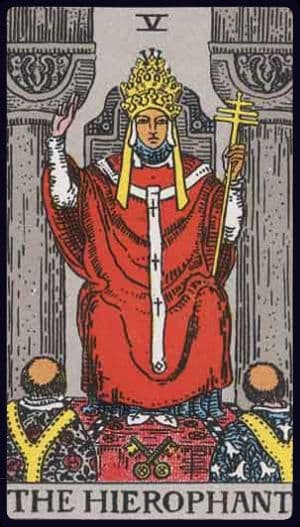
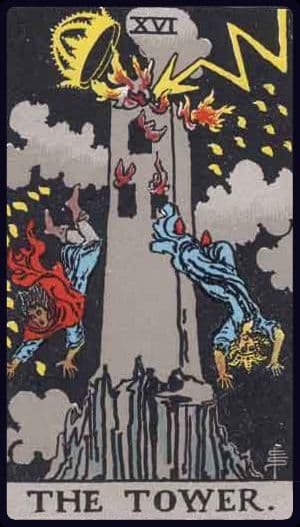
What The Hierophant and The Tower Mean Together
A worldview can crack as suddenly as a building. The Hierophant holds the systems that organize meaning — religion, institutions, family codes, professional orthodoxies — while The Tower represents the rupture that makes those systems impossible to inhabit in the same way again. Together, they often reflect loss of faith, institutional betrayal, public scandal, or the private shock of realizing that what you trusted was more fragile than it looked. This pair hurts because it destabilizes both belief and belonging at once.
What This Pair Reflects
You may be confronting the collapse of a structure that once told you who you were and how to live. This combination invites you to notice whether you are grieving the truth itself, or the loss of the shelter the old system provided.
Begin your practice
Your readings, notes, and questions in one private place.
Start a readingIn Different Situations
Relationships
It can be painful when something you trusted about a relationship no longer holds. Perhaps an agreement feels less mutual than you believed, or an old idea of partnership has been shaken. The Hierophant gives that belief its weight: it was part of how you understood belonging and commitment. The Tower is the shock of seeing its limits. This combination doesn't declare that the relationship must end. It acknowledges that carrying on exactly as before may no longer feel possible. There is a difference between mourning what you thought was secure and deciding what, if anything, can still be built together.
Career
A professional rule can feel solid until the people enforcing it fail to live by it. The Hierophant represents the credibility of an organization, a mentor or a career path built on shared standards. The Tower appears when an experience puts that credibility in doubt, sometimes all at once. You may feel shaken not only by what happened but by how much of your work identity rested on believing the system was dependable. This pair doesn't mean every structure is corrupt or every job is ending. It marks the hard task of separating the skills and values you still trust from an authority you can no longer accept unquestioningly.
Decisions
You were making a decision on the basis of something you thought you could rely on, and now that foundation looks different. The Hierophant stands for the accepted rules, advice or promises that once made the path clear. The Tower is the disruption that makes an old answer inadequate. This doesn't require a reckless reversal or a dramatic break. It does mean that loyalty to a plan is less useful when the facts supporting it have changed. Before asking how to restore certainty, it may be worth seeing which part of the old reasoning still deserves trust and which part you can no longer build on.
Burnout
You can be exhausted by a way of living you once trusted. The Hierophant holds the rules, duties and routines that promised stability; The Tower is the moment they stop feeling sustainable. Even the thought of changing them may feel unsettling if being dependable has become part of who you are. The strain here reaches beyond a crowded schedule. It touches your faith in what all that effort was for. Some commitments may still matter deeply, even if the structure built around them can no longer carry your full weight.
Feeling Stuck
A familiar way of doing things may have stopped making sense, yet you still find yourself living inside it. The Hierophant gives the old structure its authority; The Tower brings the unsettling recognition that it cannot answer every question it once answered. Feeling stuck can come from trying to restore confidence in something you already see differently. That doesn't mean you need to tear down everything around you. The important tension is that the old rules no longer move you forward, while the prospect of living without them has not begun to feel steady.
New Beginnings
This beginning may feel less like a fresh invitation than the aftermath of something that stopped holding. The Tower interrupts a familiar order; The Hierophant reminds you how much identity, trust and belonging can be tied to that order. It's understandable if the new space feels exposed rather than exciting. You aren't starting without a past: some teachings and commitments remain useful, even when the structure that carried them has broken. The first shape of a new life may come from noticing what still feels true without needing the old framework to confirm it.
Grief and Loss
Some losses take away more than a person, place or possibility. They unsettle the customs and beliefs that helped you understand where you belonged. The Hierophant holds that familiar order; The Tower marks how abruptly it can become impossible to return to it unchanged. You may miss the old certainty alongside whatever has been lost. Rituals that once comforted you might now feel hollow, or still matter in an altered way. There is no need to settle that contradiction quickly. The loss of a framework can have its own grief, separate from the event that shook it.
Reversed Variations
Both reversed
The collapse may be delayed or internalized, but the strain is still severe. You may keep defending a framework that is already cracking under the weight of what has been exposed.
The Hierophant reversed
The Hierophant reversed weakens the authority of the structure before the break fully lands. The Tower then reveals just how unstable the inherited framework already was.
The Tower reversed
The Tower reversed slows the visible collapse. Tradition still feels under threat, but the upheaval may unfold through slow disillusionment rather than one dramatic break.