The Hierophant & Wheel of Fortune
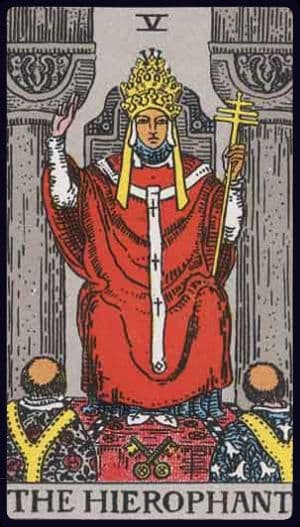
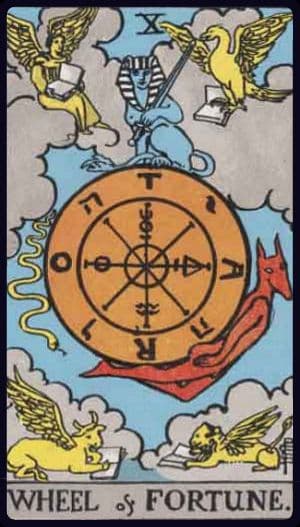
What The Hierophant and Wheel of Fortune Mean Together
Some changes are large enough to alter the meaning of the rules themselves. The Hierophant represents continuity, tradition, and systems that stabilize collective life; Wheel of Fortune introduces cycles, turning points, and shifts that no institution fully controls. Together, they often reflect moments when inherited frameworks are tested by timing — a family pattern breaking, a religious or professional identity changing, a cultural script becoming less convincing in the face of lived reality. This pair can feel fated in a very practical way. It asks what traditions can evolve without losing their center.
What This Pair Reflects
You may be in a season where the familiar framework is not disappearing, but it is being reshaped by events larger than your preference. This combination invites you to notice which beliefs or structures adapt with dignity and which ones only survive through denial.
Begin your practice
Your readings, notes, and questions in one private place.
Start a readingIn Different Situations
Relationships
Things that used to make a relationship feel secure may no longer fit the life you're living. The Hierophant holds the promises, habits and expectations you learned to trust; Wheel of Fortune brings changes neither person can neatly schedule. This doesn't automatically mean commitment is weakening. It can show how commitment is being tested by new circumstances. A shared value may survive in a different form, even when a familiar routine cannot. What matters is whether the two people are adapting together or asking each other to live by rules that no longer describe them.
Career
A career path can be sensible for years and still stop leading where you expected. The Hierophant represents the qualifications, mentors and established routes that gave your work a shape. Wheel of Fortune introduces shifts in opportunity, timing or the field itself, none of which can be fully managed by following the old steps. The pair isn't dismissing experience or professional standards. It asks which parts of your training still serve you when the conditions around them change. Staying loyal to the work may look different from staying loyal to the path you originally imagined.
Decisions
The familiar choice may be the one that once made the most sense, but circumstances have changed. The Hierophant offers tested guidance and values you have relied on; Wheel of Fortune reminds you that no set of rules can make timing predictable. Together they raise a more useful distinction than safe versus risky: which principles still matter, and which habits belong to conditions that no longer exist? Following advice isn't the same as giving up your judgment, just as changing course isn't automatically freedom. A steady value can guide a choice without requiring the old plan to remain intact.
Burnout
A routine can once have given your days shape and now leave you struggling to keep up with it. The Hierophant represents the standards and rhythms you have learned to trust; Wheel of Fortune brings conditions that refuse to stay as they were. The strain may come from treating an old pace as a permanent measure of what you should manage. Structure can still be supportive, but only if it has room for changing capacity. Continuing to care about a commitment doesn't require pretending that every season makes the same demands of you.
Feeling Stuck
You keep doing what once counted as progress, yet the days have begun to feel strangely alike. The Hierophant is the trusted method, the expected order, the steps that used to lead somewhere. Wheel of Fortune introduces a different rhythm: circumstances change, cycles recur, and effort doesn't always produce movement on schedule. This isn't an argument for abandoning what you've learned. It may be that a useful structure has become too rigid to register the present. Feeling stuck can come from measuring every day against a timetable that no longer fits it.
New Beginnings
Starting something new can unsettle the rules you assumed would carry you through. The Hierophant holds the beliefs, skills, or rituals that gave the last chapter its shape. Wheel of Fortune brings a change in circumstances that may make those familiar guides work differently. You aren't required to begin from nothing, and carrying a value forward doesn't mean copying every old step. This opening may feel less like a clean break than an adjustment in how you live by what matters. The uncertainty is real; so is the steadiness that some parts of your past can offer.
Grief and Loss
Life's ordinary rhythms can feel oddly out of step with a loss. The Hierophant represents the rituals, beliefs, and familiar ways people mark what matters; Wheel of Fortune reflects the ongoing changes that carry on around you. A tradition may offer words or company when your own are hard to find. It may also feel inadequate, particularly if others expect the same ritual to mean the same thing to everyone. This combination doesn't promise that time makes grief neat. It notices the distance between the world's continuing cycles and the meaning you're still trying to hold.
Reversed Variations
Both reversed
Resistance to change can harden old systems in unhealthy ways. You may be repeating inherited cycles or clinging to a framework long after it has stopped helping you respond well to the present.
The Hierophant reversed
The Hierophant reversed loosens the authority of tradition. The turn of the cycle becomes more personal, less institutionally supported, and potentially more disorienting as old scripts lose their hold.
Wheel of Fortune reversed
Wheel of Fortune reversed makes the shift feel stalled or difficult. The framework remains intact, but repeated patterns, bad timing, or resistance to change can make it feel more confining than guiding.