Strength & Death
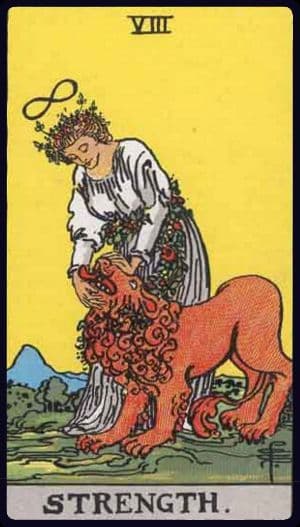
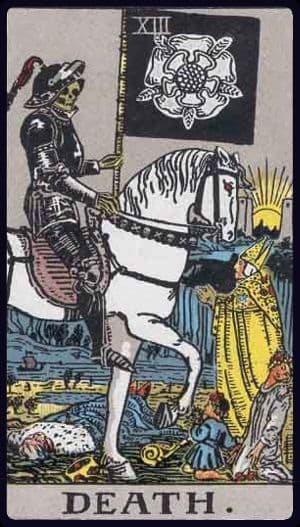
What Strength and Death Mean Together
Some endings require bravery that looks nothing like certainty. Strength brings calm, patience, and the ability to stay present with difficult emotion; Death brings release, transition, and the irreversible recognition that a chapter cannot continue as it has. Together, they often reflect grief handled with unusual honesty — not because it is easy, but because denial is no longer carrying the weight. This pair does not romanticize loss. It dignifies the courage required to move through it without becoming hardened.
What This Pair Reflects
You may be living through a change that asks for softness as much as endurance. This combination invites you to notice whether your strength is helping you feel the ending cleanly or merely helping you appear composed while the real grief goes underground.
Begin your practice
Your readings, notes, and questions in one private place.
Start a readingIn Different Situations
Relationships
You can care for someone and know that the relationship is no longer what it was. Death brings that painful recognition; Strength asks for the steadiness to face it without blaming, pleading, or hardening yourself. This isn't automatically a breakup pairing. Sometimes the old dynamic ends while the connection finds a different form. But staying gentle with yourself or the other person doesn't require defending what has become unworkable. Here, courage is less about appearing unaffected than allowing the change to be real.
Career
Leaving work that once defined you can feel like losing a version of yourself. Death recognizes that the old role or ambition may have reached its limit, and Strength offers the patience to let the loss register without turning it into a verdict on your ability. This pair doesn't flatter you with the promise of a better job around the corner. It points to the quieter courage of not making every uncomfortable day proof that you're failing. You can take the ending seriously and still trust your capacity to work through what comes after.
Decisions
The hard part may not be deciding what is over. It may be trusting yourself to bear the feelings that follow. Death faces the ending; Strength keeps that recognition from becoming panic, anger, or a performance of being fine. Together they can show how much effort goes into holding a situation together after it has stopped working. Endurance is valuable, but it can also keep you attached to something you no longer believe in. A difficult choice need not feel easy to be understood clearly.
Burnout
Being able to keep going has become part of the problem. Strength describes the patience and self-control that helped you manage strain; beside Death, that endurance meets something that cannot continue in its old form. You might still have the ability to push through another day, but ability is not the same as capacity without cost. The ending here need not be a dramatic departure. It may be the end of treating your limits as obstacles to overcome. Real steadiness can include admitting that the way you've been carrying things has taken too much.
Feeling Stuck
You might be waiting to feel brave before acknowledging that a familiar way of doing things is finished. Strength is often the ability to stay with discomfort without flinching; Death brings an ending that no amount of steadiness can reverse. Together they describe a kind of stuckness built from holding on very well. Nothing looks chaotic, yet much of your energy goes into keeping the old shape intact. Courage may feel less like a dramatic move than an honest recognition: continuing to endure something is not necessarily the same as still wanting it.
New Beginnings
The new part of your life may be welcome and still leave you grieving what made the old one familiar. Death does not let the previous chapter remain intact; Strength gives room to meet the uncertainty without turning fear into proof that you're unready. There is a quiet courage in letting your sense of self change before you know what it will look like. You do not have to greet every possibility with confidence. Here, steadiness means being able to stay present with both the ending and the tentative beginning, rather than forcing one to cancel the other.
Grief and Loss
Holding yourself together can become a second burden on top of what you've lost. Death speaks to the reality of the absence or ending; Strength is the capacity to meet powerful feeling without needing to overpower it. Together they make room for a form of courage that does not look composed. You may still be functioning, caring for others, or getting through familiar routines while the loss feels raw in quieter moments. None of that measures how deeply it matters. Strength has a place here when it leaves room for sorrow instead of hiding it.
Reversed Variations
Both reversed
Resistance and emotional strain can lock together. You may try to stay strong by refusing the ending, only to find that the effort itself becomes exhausting and brittle.
Strength reversed
Strength reversed makes the transition feel emotionally shakier. The ending is still necessary, yet fear, self-doubt, or raw feeling can make release harder to trust.
Death reversed
Death reversed prolongs what is already ending. Strength remains, but it may be spent containing a grief that would move more honestly if change were acknowledged.