The Chariot & Death
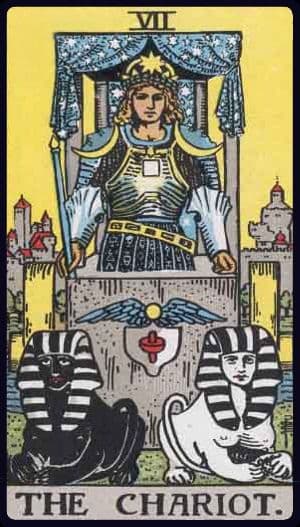
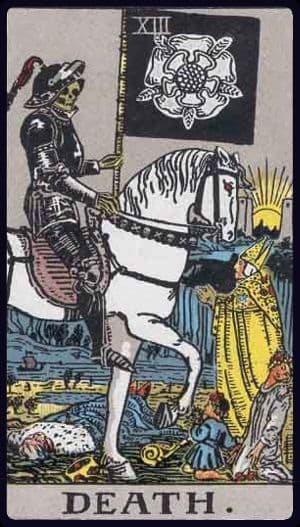
What The Chariot and Death Mean Together
There are moments when determination keeps you moving long after the old direction has expired. The Chariot brings will, control, and momentum; Death brings endings, transition, and the demand to stop steering the dead thing as if it can still become viable. Together, they often reflect a turning point where movement is still possible, but not in the same form — leaving a career path, ending a relationship pattern, abandoning a self-concept built around proving. This pair is blunt. It asks what you are still driving that is already over.
What This Pair Reflects
Consider whether your discipline is helping you transition or merely helping you avoid the grief of changing course. This combination invites a more honest look at where forward motion now depends on release, not persistence.
Begin your practice
Your readings, notes, and questions in one private place.
Start a readingIn Different Situations
Relationships
You may still care about someone while knowing the way you have been together cannot continue unchanged. Death brings that recognition; The Chariot brings the impulse to make something happen rather than sit with an ending. This combination doesn't decide whether the relationship ends. It makes the difference between fighting for a connection and fighting to preserve a version of it that no longer fits. Sometimes moving forward means changing how you relate; sometimes it means accepting distance. Determination can carry a transition, but it cannot make the past available again.
Career
You've worked hard for a direction that no longer feels like yours. The Chariot understands the discipline it took to get here; Death asks whether that effort has become the reason you cannot change course. This pair can describe a role, ambition or professional identity reaching its limit while your capacity to act remains intact. There may be grief in leaving something you once wanted, even when the decision feels right. Momentum is useful once it serves a new direction, rather than proving the old one was worth the cost.
Decisions
The difficult part may be admitting that one of your options has already changed. Death marks an ending or a necessary shift; The Chariot brings the will to choose and move. Together, they question a familiar instinct: pushing harder so you don't have to acknowledge what is no longer working. This is not a demand for a dramatic break. A small, definite change may be more honest than another attempt to force the original plan. The choice becomes clearer when past effort stops deciding what must happen next.
Burnout
You can still make yourself move, but the way you have been carrying things may already be finished. The Chariot captures the habit of meeting every demand with determination. Death makes room for the harder possibility that the old rhythm itself needs to end, even if the responsibilities remain. Exhaustion here isn't evidence that you lack will; you may have been relying on will long past its usefulness. The shift is less about finding another burst of energy than recognizing which expectations no longer belong in your days.
Feeling Stuck
It's possible to be constantly in motion and still feel that life hasn't moved an inch. The Chariot describes the busy push to regain a sense of progress; Death marks a transition you may not yet have room to acknowledge. Every attempt to recreate the old pace can leave you at the same threshold. Stuckness may have less to do with a lack of effort than with trying to move as the person you were before something changed. There is no requirement for a dramatic reinvention, but the old measure of progress may no longer fit.
New Beginnings
Beginning again can feel strangely disloyal to what came before. Death gives this start a real ending behind it; The Chariot brings the wish to move into a direction of your own. Together they hold the awkward overlap between readiness and reluctance. You may have the energy to begin while still missing an identity, routine or hope that no longer belongs to this chapter. That doesn't make the beginning false. The forward motion here has more weight when it leaves room for what has been relinquished, rather than demanding a clean break in how you feel.
Grief and Loss
Loss can change the shape of a life while its ordinary demands keep moving. Death acknowledges that something cannot be restored in its previous form. The Chariot brings the part of you still managing days, tasks and obligations, even when your inner pace is different. There may be tension between appearing capable and having moments when movement feels impossible. Continuing is not proof you have finished grieving; slowing down is not a failure of resolve. This pairing holds both the altered reality and the effort of living within it, without asking one to cancel the other.
Reversed Variations
Both reversed
You may keep pushing through a transition that actually requires stopping. The result can be stale determination, emotional congestion, and a long refusal to let the ending become real.
The Chariot reversed
The Chariot reversed weakens your ability to move through the ending. The transformation is still necessary, yet the process may feel stalled, reactive, or full of stop-start resistance.
Death reversed
Death reversed prolongs the old direction. Momentum remains, but it may be spent preserving a path whose time has already passed.