The Emperor & Death
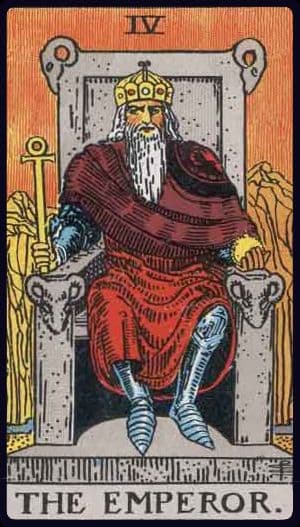
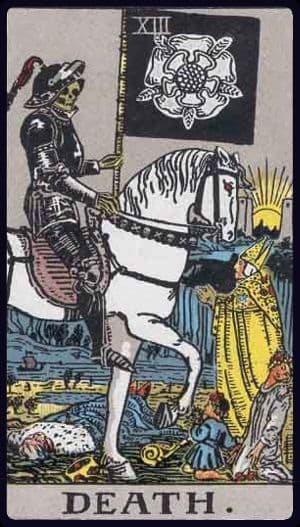
What The Emperor and Death Mean Together
An old structure has reached the point where discipline alone cannot save it. The Emperor represents order, systems, identity built through control, and the comfort of knowing where the walls are; Death removes what no longer has life in it, regardless of how much effort went into building it. Together, they often reflect the collapse or transformation of a role, institution, career path, or self-concept that once felt essential. This pair is difficult because the ending is not random. It strikes at the architecture of how you have held your life together.
What This Pair Reflects
Ask what structure in your life is being outgrown at the level of identity, not just logistics. This combination invites you to notice where control has become preservation of something that is already over in substance.
Begin your practice
Your readings, notes, and questions in one private place.
Start a readingIn Different Situations
Relationships
A relationship can still look stable after the way it works has stopped feeling right. The Emperor values structure, dependable roles and clear boundaries; Death brings attention to what those roles may have outlived. Perhaps being the one who holds everything together once felt loving and now feels limiting. This pair isn't a prediction of separation. It can describe the harder task of letting an old arrangement end without discarding all the care behind it. The question is whether the relationship has room to change when its usual rules no longer fit.
Career
You may have built a career around being reliable, in control and good at making things work. The Emperor gives that structure its dignity; Death asks what happens when the role or system you've maintained no longer fits the work, or the person, you've become. This can be a change in authority, a profession or the rules you once lived by. It doesn't automatically mean quitting. It may mean recognizing that more discipline won't restore something that has run its course, while keeping the skills and steadiness that remain valuable beyond the old title.
Decisions
You may know that something needs to change and still want a plan that preserves every part of the old order. The Emperor looks for control, stability and rules you can trust; Death points to the part of the situation that cannot be kept exactly as it was. The choice needn't be between chaos and rigid preservation. You might retain a boundary, responsibility or useful routine while letting a former role or commitment end. This pair makes the cost of waiting visible: sometimes the wish for a flawless transition becomes another way of keeping an outdated structure in place.
Burnout
You may still be keeping everything running long after the rules stopped supporting you. The Emperor gives dignity to structure and responsibility; Death brings attention to a way of holding things together that has run its course. More rest might ease the immediate strain without changing the part of life that keeps consuming your capacity. That doesn't mean every commitment must be abandoned. There may be boundaries worth preserving and an older definition of being dependable that no longer deserves the same loyalty. Exhaustion can feel especially confusing when the system you're maintaining is one you built yourself.
Feeling Stuck
Everything may look orderly while you feel unable to move inside it. The Emperor holds the routines, roles, and rules that make life manageable. Death introduces the uneasy possibility that some of those forms have outlasted their purpose. This stuckness isn't necessarily a failure of discipline; applying more of the same discipline may be why nothing feels different. The structure can be useful and restrictive at once. An old role might no longer fit even if you perform it well. The point isn't to create chaos for the sake of change, but to notice where stability has quietly become preservation.
New Beginnings
A fresh start can feel strangely unsettled when the old structure was part of how you knew yourself. Death marks the release of a former shape; the Emperor reminds you how much security and competence that shape once provided. You may want to rebuild familiar rules immediately, partly because being new at something is uncomfortable. But a beginning that copies the old order exactly may leave little room for what has changed. This doesn't require throwing away the steadiness you've earned. It allows for a distinction between the strengths you carry forward and the role or routine that no longer has to define you.
Grief and Loss
Loss can unsettle more than what you've lost. It can change the routines and responsibilities that once gave your days a reliable shape. Death reflects that alteration; the Emperor holds the impulse to restore order, perhaps because the familiar rules are one of the few things you can still reach for. Structure may be comforting, but it cannot make everything as it was. You might keep certain rituals and find others suddenly hollow. Neither response is a failure to cope. The difficult work reflected here is living with the changed shape of things without demanding that steadiness erase what is missing.
Reversed Variations
Both reversed
The system may be decaying while you work harder to maintain it. Resistance to change and attachment to control can create a long, draining period of stagnation instead of a cleaner transition.
The Emperor reversed
The Emperor reversed destabilizes the form that is ending. Transformation is still necessary, but it may arrive through domination, collapse of control, or loss of trust in the existing structure.
Death reversed
Death reversed prolongs the life of the structure past its natural limit. Authority remains intact on the surface, but the cost of preserving it keeps rising.