The Fool & Death
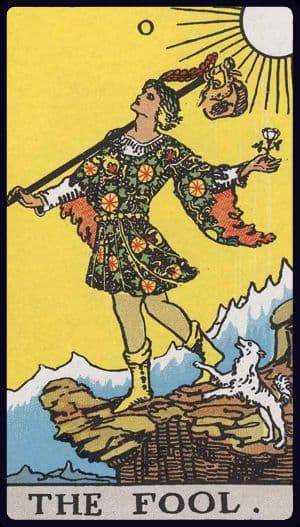
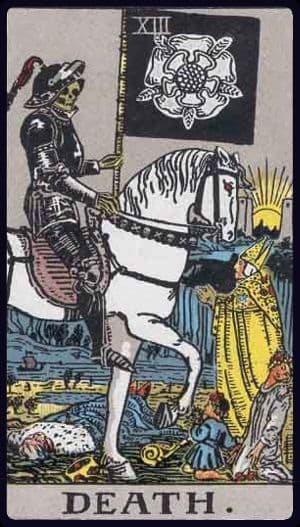
What The Fool and Death Mean Together
A beginning is here because something else is truly over, not because you're bored or restless. Death strips away what has reached its limit; The Fool opens the space that remains. This pair often reflects the fragile period after a real ending — the job you left, the identity that no longer fits, the relationship that has already died emotionally even if the paperwork came later. There is hope in this combination, but it is not cheerful hope. It is the quieter kind that appears when there is finally nothing left to cling to.
What This Pair Reflects
This pair invites you to look at what ending you may still be trying to keep half-alive. A new chapter is possible, but only if you let the old one become past tense. Consider what becomes available once you stop negotiating with what is already gone.
Begin your practice
Your readings, notes, and questions in one private place.
Start a readingIn Different Situations
Relationships
After one chapter with someone ends, it can be tempting to rush toward a new story so the loss feels smaller. Death and The Fool hold two different truths: something really is finished, and you don't have to know exactly who you'll be on the other side. This could describe meeting someone new, being newly single, or finding a different way to relate. None of those paths is promised. The Fool's openness means more when it doesn't ask you to deny the ending that made room for it.
Career
You may know you're done with one kind of work before you know what to do instead. Death takes the old role seriously as something that has ended; The Fool brings the unsettled possibility of beginning without a complete plan. Together they don't make an impulsive resignation wise by magic. They describe the mixture of relief and fear that follows when familiar work no longer feels like yours. A new direction can start small, and uncertainty alone doesn't mean the old path was right.
Decisions
One option may feel safer mainly because it's familiar, even though you've already stopped believing in it. Death presses on that ending; The Fool asks what it would be like to step forward without the usual guarantees. This isn't a command to leap or abandon practical concerns. It shows the difference between choosing a genuine beginning and using novelty to escape an unfinished goodbye. The question is not whether you can remove all risk, but whether you're allowing something genuinely finished to keep deciding for you.
Burnout
When you're worn down, the idea of starting over can feel like the only clean breath available. Death recognizes that something about the present pace has run its course. The Fool opens an untested alternative, but its lightness can be mistaken for an instruction to throw everything away at once. Exhaustion can make novelty look like rest. These cards leave room for a different beginning without pretending you have unlimited energy to build it. What has ended, and what you have the strength to begin, may be two separate questions for a while.
Feeling Stuck
The old path may no longer have much life in it, but the absence of a clear replacement can make standing still feel sensible. Death gives weight to what has already run its course. The Fool represents the unfamiliar part after that recognition, when you cannot judge every step by what used to work. Feeling stuck here is not necessarily indecision between two clear choices. It can be the awkward space between an ending you understand and a beginning you cannot yet picture. That uncertainty is real without making the old path new again.
New Beginnings
A blank page can feel less freeing when you did not choose to lose the previous one. Death makes the ending substantial; The Fool brings the openness of a beginning whose shape is not yet settled. Their meeting has more weight than a cheerful invitation to start fresh. You may feel curious about what comes next and still want part of what is gone. The Fool's willingness to take an unfamiliar step does not erase the importance of the ending. This is a beginning with a history, even if it has no reliable map yet.
Grief and Loss
After a loss, even an ordinary moment of interest in something new can feel strangely disloyal. Death keeps the significance of what ended in view; The Fool represents an openness that arrives without a full explanation or plan. This isn't a timetable for recovery, and it doesn't turn the loss into the beginning of a better story. You may notice a possibility and feel no wish to pursue it, or take a small unfamiliar step while still missing what is gone. There is room for both the weight of the past and an unclaimed future.
Reversed Variations
Both reversed
You may want renewal without grief, which rarely works. Resistance to ending and fear of beginning can keep you hovering in a stale middle ground.
The Fool reversed
The Fool reversed makes the future feel too exposed to enter. Death remains upright, so the ending is real even if your willingness to step beyond it is not.
Death reversed
Death reversed clings to what has already finished. The urge for a fresh start exists, but decay sets in when release keeps being postponed.