The Hanged Man & Death
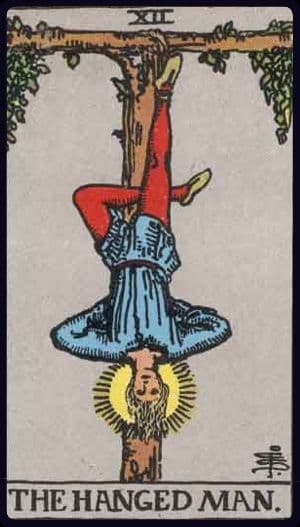
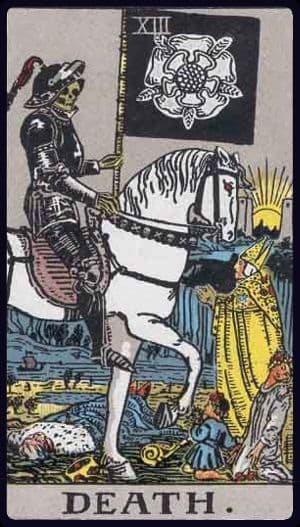
What The Hanged Man and Death Mean Together
Some transitions do not begin with action. They begin with the unnerving stillness that lets you realize the old life cannot continue. The Hanged Man brings pause, surrender, and the altered perspective that comes from no longer being able to proceed as usual; Death brings release, endings, and the irreversible shift that follows once that realization lands. Together, they often reflect liminal grief, suspended transitions, or the strange season where life has not yet changed outwardly but inwardly you are already gone from what used to define you.
What This Pair Reflects
You may be in a pause that feels frustrating precisely because part of you already knows what is ending. This combination invites you to consider whether the stillness is empty, or whether it is creating the perspective needed for a real release.
Begin your practice
Your readings, notes, and questions in one private place.
Start a readingIn Different Situations
Relationships
A relationship may already feel different even though nothing decisive has happened. With Death and The Hanged Man, the difficult part can be living between recognition and action: an old way of being together no longer fits, but you may not know what comes after it. The Hanged Man gives that pause a different meaning; time spent seeing the connection honestly is not always time wasted. Death, though, keeps the pause from becoming an endless excuse to pretend things are unchanged. This combination can speak to a relationship being transformed as much as to one ending; it doesn't decide which.
Career
You may have outgrown a role before you've found somewhere else to go. Death marks the end of an old professional identity; The Hanged Man describes the uncomfortable stretch when your perspective has changed but your circumstances haven't. The lack of forward motion can feel like failure, particularly when everyone else seems busy making moves. Yet this pause can reveal which ambitions still belong to you and which were attached to a job you've mentally left. It doesn't promise that waiting will solve the problem. It makes room for an ending to become clear before a replacement is chosen.
Decisions
You may be ready to leave something behind without being ready to decide what comes next. Death brings the knowledge that one option has run its course; The Hanged Man resists forcing an immediate answer just to escape the discomfort. Together they can describe a real choice that changes shape once you stop treating the old situation as the default. Pausing has value if it changes how you see the question. If the same reasons keep returning, the stillness may say less about needing more time and more about how hard release can be.
Burnout
There is a kind of exhaustion that doesn't improve simply because you've stopped moving. The Hanged Man describes the pause you might already be forced into; Death brings the possibility that the old pace itself has reached an ending. If the expectations waiting on the other side of rest are identical, stillness can feel like a temporary suspension rather than relief. The two cards leave open how much can change, but they make one thing visible: recovering capacity and returning to exactly what consumed it are not necessarily the same project.
Feeling Stuck
You can be finished with a way of life long before anything looks different from the outside. Death marks that inner ending; The Hanged Man captures the suspended days when you cannot simply step into the next shape. That pause can hold genuine perspective, but it can also become a place where old routines carry on by inertia. Feeling stuck here is less a failure to make a move than the disorienting mismatch between what has already changed in you and what has yet to change around you.
New Beginnings
You may have crossed a threshold without yet feeling like someone who has begun. Death closes one familiar way of understanding yourself; The Hanged Man slows the next part down, giving your perspective time to catch up with changed circumstances. The pause can feel especially uncomfortable when everyone expects a fresh start to be energetic and decisive. There may be little visible momentum while old assumptions lose their hold. A beginning does not have to be fully named or immediately productive to be real.
Grief and Loss
Some losses change the world quickly while your understanding of them moves at another speed. Death reflects the finality of what cannot return in its old form; The Hanged Man reflects the unfamiliar suspension that can follow, when ordinary plans and measures of time lose their grip. The stillness may feel imposed, chosen, or different from day to day. It needn't produce an insight, and it isn't evidence that you have failed to move forward. The loss and the pause are related, but they do not keep the same timetable.
Reversed Variations
Both reversed
You may resist both the pause and the ending, creating a long stretch of emotional limbo. The old form is weakening, but you may stay suspended beside it rather than letting the change become real.
The Hanged Man reversed
The Hanged Man reversed resists the surrender that would make the ending intelligible. Change remains necessary, but impatience can turn the transition into stale frustration rather than useful perspective.
Death reversed
Death reversed prolongs the transition that the pause is already pointing toward. Insight may be present, yet release is delayed by fear, sentimentality, or attachment to the former identity.