Justice & The Devil
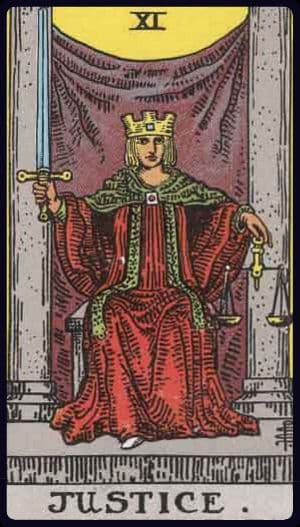

What Justice and The Devil Mean Together
A pattern can feel more uncomfortable once it is named clearly. Justice brings truth, responsibility, and the refusal to look away from facts; The Devil brings attachment, shame, compulsion, and the private bargains that keep unhealthy dynamics alive. Together, they often reflect the moment when a toxic pattern is no longer deniable, whether in a relationship, workplace, financial situation, or your own inner life. This pair can feel exposing. It asks what you are prepared to admit about what has had a hold on you.
What This Pair Reflects
You may be seeing a dependency, power imbalance, or self-defeating loop with unusual clarity right now. This combination invites you to consider where honesty is beginning to cut through the excuses that kept the pattern emotionally livable.
Begin your practice
Your readings, notes, and questions in one private place.
Start a readingIn Different Situations
Relationships
You might know a connection is costing you something and still feel reluctant to loosen your hold on it. Justice makes the pattern hard to explain away; The Devil shows why seeing it clearly doesn't immediately change what you want. Attraction, loyalty, habit, and fear can sit beside an accurate sense of what's unfair. This pairing isn't proof that someone is manipulating you. It points to the harder question of what each person is accepting to keep the bond intact, and whether responsibility is being shared or quietly shifted.
Career
A job can be rewarding and still leave you feeling compromised. The Devil captures the pull of security, status or approval; Justice presses on the question of what those rewards are asking you to overlook. Perhaps the work itself matters but the terms feel unequal, or you keep defending a pattern that drains you because leaving feels costly. This combination is not an accusation of wrongdoing at work. It sharpens the distinction between a choice you can stand behind and one you've learned to justify because you feel stuck.
Decisions
The option you keep returning to may offer something you genuinely want while asking you to ignore a cost you've already noticed. The Devil draws attention to desire, habit and the fear of giving something up; Justice asks you to weigh the choice without excusing the inconvenient facts. This isn't a verdict that wanting something makes it wrong. It is a look at the bargains that can hide inside a decision. The clearest answer may depend less on whether the choice feels irresistible than on whether you can own its consequences without shifting them onto someone else.
Burnout
Part of your exhaustion may come from terms you keep accepting while knowing they cost too much. Justice brings those terms into focus; The Devil catches the hold of obligation, approval or the fear of disappointing people. You can see the imbalance and still feel compelled to keep proving that you can manage it. That doesn't make the strain a personal failing, nor does it mean every commitment is unfair. The harder truth may be how often you have had to explain away a limit you already recognize, until crossing it has begun to feel normal.
Feeling Stuck
You can describe the loop accurately and still find yourself back inside it. Justice sees the facts and the compromises; The Devil shows how a familiar reward, fear or obligation can keep outweighing what you know. The frustrating part may be that insight hasn't translated into movement. This doesn't call for blaming yourself for every repetition. Some constraints are real, and the cost of change may be real too. But there is a difference between a limit you cannot currently alter and a bargain you have come to defend because admitting its price would unsettle something you rely on.
New Beginnings
A fresh start doesn't automatically leave an old bargain behind. Justice brings your values and the actual terms of the new situation into view; The Devil asks how strongly familiar rewards, fears or attachments still shape what you agree to. You may want change while finding comfort in conditions you previously resented. That tension isn't proof the beginning is wrong. It does make the small concessions worth noticing, especially the ones you excuse because this opportunity matters to you. A different chapter can still carry an old pattern, and recognizing the resemblance is different from assuming it must repeat.
Grief and Loss
Loss can leave behind a harsh private accounting: what you should have done, what you owe, what you are allowed to keep wanting. Justice asks for an honest view of responsibility; The Devil shows how guilt or attachment can turn that accounting into a grip that is difficult to loosen. Not every regret is imaginary, and not every painful feeling is a debt. This combination leaves room for real complexity without making self-punishment proof of love or loyalty. What happened, what was within your control and what you still miss are not necessarily the same question.
Reversed Variations
Both reversed
You may sense the toxicity but still rationalize it. Shame, defensiveness, or selective accountability can keep the pattern active even while part of you already knows the truth.
Justice reversed
Justice reversed lets the attachment hide behind distortion. The Devil remains strong, but the situation becomes easier to excuse, minimize, or frame unfairly.
The Devil reversed
The Devil reversed loosens the grip of the unhealthy bond. Justice then becomes more actionable, because the truth is no longer competing as fiercely with fear, craving, or shame.