Strength & The Devil
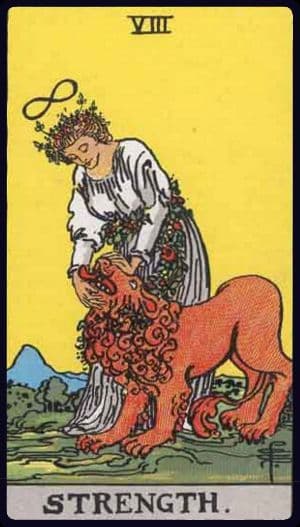
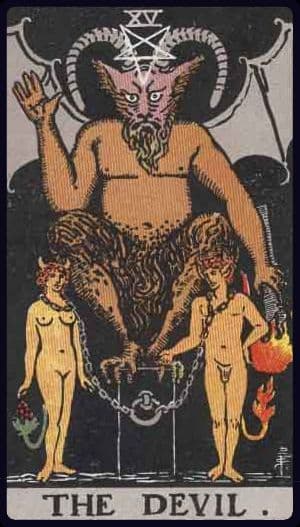
What Strength and The Devil Mean Together
This pair often appears when self-command is being tested by something that knows exactly where your weaker seams are. Strength brings patience, restraint, and compassionate control; The Devil brings attachment, compulsion, and the part of desire that can become binding when left unquestioned. Together, they reflect the struggle to stay intact around temptation, dependency, or relational patterns that pull both body and ego. The goal is not purity. It is freedom that is strong enough to remain conscious while wanting what it wants.
What This Pair Reflects
Ask where your discipline is being strained by craving, fear, or a bond that feels hard to moderate. This combination invites you to notice whether your restraint is rooted in self-respect or in repression that will eventually snap.
Begin your practice
Your readings, notes, and questions in one private place.
Start a readingIn Different Situations
Relationships
You can care deeply about someone and still feel caught in a pattern you don't like. The Devil captures the pull of attachment, attraction, habit, or fear of losing the bond; Strength is the capacity to meet that pull without pretending it has no power. This isn't a verdict that the relationship is harmful, nor a promise that love will fix the cycle. The important measure is how free each person feels to be honest, disagree, and choose. Wanting someone and having room to choose them are not always the same thing.
Career
Ambition can start to feel less like something you want and more like something you cannot step away from. The Devil brings the grip of status, approval, or a reward that keeps raising its price; Strength brings the self-command to notice that grip without shaming yourself for wanting success. The tension isn't between working hard and giving up. It's between choosing demanding work and feeling unable to refuse it. Your capability matters, but so does whether you're still using it on terms you recognize as your own.
Decisions
One option may have an unusually strong pull, even while part of you doubts what it would ask in return. The Devil doesn't make desire wrong; it draws attention to the fear, habit, or immediate relief that can make a choice feel compulsory. Strength adds the room to feel that pull without obeying it automatically or denying it altogether. This combination is less concerned with appearing disciplined than with being able to choose. The difference between 'I want this' and 'I can't imagine saying no' matters.
Burnout
Part of the exhaustion may come from a pull you recognize but can't easily loosen: one more task, one more promise, one more attempt to feel in control. The Devil names the grip of that pattern, while Strength shows how much discipline you're spending to hold it together. Being able to resist an urge isn't the same as being free of the cycle that creates it. This isn't a judgment about weak will. It is a question of how often your limited energy goes toward fighting the same demand rather than having room to live outside it.
Feeling Stuck
The familiar pattern may be uncomfortable and still feel safer than leaving it. The Devil brings attachment to what repeats; Strength brings the effort it takes to live with that pull without being wholly directed by it. If every attempt to move begins with a private struggle against the same habit, little energy is left for change. The stuckness is not proof that you lack resolve. It may show how much resolve is already tied up in maintaining a bond, routine, or expectation that is hard to question.
New Beginnings
There may be excitement about what's opening alongside a pull toward the old pattern you promised yourself you'd leave behind. The Devil captures how familiar desires and fears can travel into a new chapter; Strength gives you room to notice them without making them your whole story. A change of setting doesn't automatically change an attachment, but neither does its return erase the possibility of a new start. The meaningful beginning may be your changed relationship to that pull: able to want, resist, reconsider, and remain deliberate instead of pretending temptation has vanished.
Grief and Loss
After a loss, something familiar can become impossible to put down: a routine, a regret, a story about what you should have done. The Devil reflects the grip of that attachment, while Strength offers a way to face its intensity without shaming yourself for it. This does not make your love or grief a trap. It distinguishes the meaning of what remains from the pressure to keep hurting in exactly the same way. There may be tenderness in the bond and exhaustion in the hold. Both can be true without requiring a verdict about how you should grieve.
Reversed Variations
Both reversed
The pattern may be weakening, but it still catches at you. You may feel both less trapped and less stable, especially if old attachments lose power before new forms of strength are fully established.
Strength reversed
Strength reversed weakens your ability to stay regulated around the attachment. The pull remains active, and raw emotion or insecurity may make it harder to choose clearly.
The Devil reversed
The Devil reversed loosens the grip of the compulsion. Strength then becomes more usable, allowing restraint to feel less defensive and more genuinely freeing.