The Hierophant & Strength
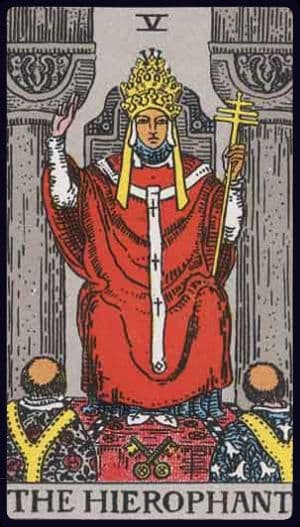
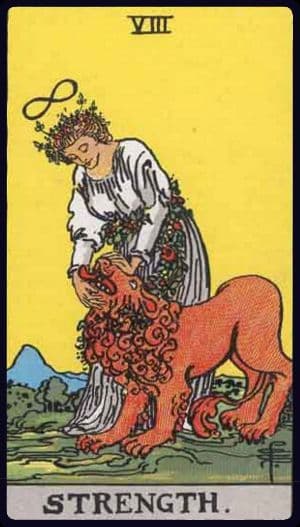
What The Hierophant and Strength Mean Together
Conviction matters here, but so does how it is carried. The Hierophant represents teachings, traditions, and value systems that shape conduct; Strength adds patience, self-command, and the ability to hold firm without becoming harsh. Together, they often reflect grounded integrity — the slow work of living by what you believe without using belief as a weapon. This pair can show up in mentorship, moral conflict, or periods when restraint is more persuasive than argument. The real strength is not certainty alone. It is disciplined compassion.
What This Pair Reflects
You may be asked to stand by your principles in a way that does not require domination, performance, or rigidity. This combination invites you to examine whether your values are making you steadier or simply making you harder.
Begin your practice
Your readings, notes, and questions in one private place.
Start a readingIn Different Situations
Relationships
You can care deeply about a commitment and still question how its rules are being upheld. Strength beside The Hierophant speaks to that difficult balance: wanting to honor shared values without using them to win an argument or silence a need. Patience here is not the same as putting up with everything. It is the ability to speak firmly without turning disagreement into a test of loyalty. If you're wondering whether to hold your ground or soften, this pair leaves room for both. The measure of commitment is how you treat each other when your beliefs are tested.
Career
It takes a particular kind of courage to work within a system without letting it decide your character for you. The Hierophant points to professional standards, mentorship or established ways of doing things. Strength asks how you uphold what matters when the easiest move would be to comply resentfully or push back in anger. You might be respected for your steadiness while privately wondering whether you're being too accommodating. This pair distinguishes patient conviction from silence. Learning from an institution and holding it to its own principles can belong in the same career, even when that creates friction.
Decisions
You may know the choice that fits your principles and still dread the conversation or consequences that come with it. The Hierophant asks what you genuinely stand for; Strength concerns the manner in which you act on it. Together, they challenge the idea that conviction must be loud or uncompromising to be real. Taking time to understand objections need not mean surrendering your position. Equally, following a respected rule is not enough if you're using it to avoid your own judgment. This pair gives weight to decisions made with a steady hand: clear about the value at stake, careful about the people affected.
Burnout
You may be so practiced at holding yourself together that exhaustion looks, even to you, like a failure of character. Strength brings quiet endurance; The Hierophant brings the rules about what a dependable person is supposed to do. Together, they expose how easily patience becomes a duty to keep absorbing more. Your principles can matter deeply without requiring an endless supply of energy. There is a difference between meeting a difficult moment with care and making self-denial the measure of your worth. The rules worth keeping should leave room for your limits.
Feeling Stuck
You may have learned to be patient so well that you're no longer sure when patience became standing still. Strength is the ability to remain steady without forcing things; The Hierophant offers a trusted way to behave, especially when you want to be fair or responsible. Together, they can make the familiar path feel morally safer than an unfamiliar one. Nothing here insists on a dramatic break. But there is a difference between choosing restraint and waiting for a rule to tell you that movement is finally allowed. Your steadiness belongs to you, not only to the role you've been playing.
New Beginnings
A new beginning can ask for courage without asking you to become a harder version of yourself. The Hierophant gives you principles and practices to carry into unfamiliar ground; Strength asks you to hold them with patience rather than prove yourself through flawless conduct. You may feel pressure to know how to belong before you've had time to settle. There is room to learn a new setting without giving away your judgment or demanding instant confidence. What you believe can provide a handrail. It need not become a set of rules for how quickly you're allowed to feel at home.
Grief and Loss
When something important is gone or changed beyond recognition, you may feel expected to hold yourself together in a particular way. The Hierophant carries the rituals and shared ideas about how loss should be met; Strength adds the quieter effort of living with what hurts. Those forms can offer support, but they can also leave little room for anger, numbness or days when you have no composure to offer. Strength here need not mean keeping every feeling contained. Your care for what mattered is not measured by how gracefully you can explain its absence.
Reversed Variations
Both reversed
Belief and self-control can both become strained. You may feel morally reactive, ashamed, or tempted to use certainty to cover insecurity rather than to guide your behavior well.
The Hierophant reversed
The Hierophant reversed loosens the traditional framework around the conviction. Strength remains, but it may now need to come from personal ethics rather than inherited rules or external approval.
Strength reversed
Strength reversed weakens the regulated, compassionate quality of the pair. The values may still matter, yet they can be expressed with insecurity, harshness, or emotional volatility.