The Chariot & Temperance
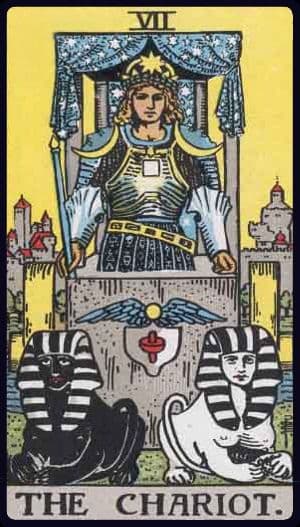
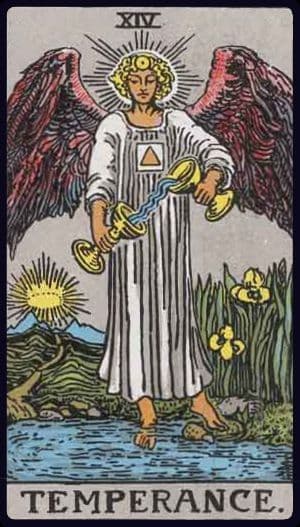
What The Chariot and Temperance Mean Together
This pair asks a useful question: what if pace is part of the strategy, not the enemy of it. The Chariot wants progress, command, and clear direction; Temperance moderates, blends, and keeps the system from burning itself out in pursuit of results. Together, they often reflect sustainable ambition — moving with purpose while respecting timing, energy, and the complexity of what is being built. This is not slow for its own sake. It is calibrated movement.
What This Pair Reflects
You may be in a situation where the issue is no longer whether to act but how hard and how fast. This combination invites you to notice whether your current pace supports the outcome you want or merely satisfies the part of you that feels safer when pushing.
Begin your practice
Your readings, notes, and questions in one private place.
Start a readingIn Different Situations
Relationships
You want this connection to move somewhere, but pressing for progress can unsettle the very trust you're trying to build. The Chariot brings initiative and a wish for clarity; Temperance brings room for two different paces, needs and ways of communicating. Together, they favor steady effort that can be met by another person, rather than a single determined push. This doesn't mean hiding what you want or waiting without end. It asks whether the way you're pursuing closeness leaves enough space for both people to participate.
Career
There's an urge to prove progress by keeping everything moving. Temperance and The Chariot offer a more demanding kind of discipline: choosing a pace you can keep. The Chariot supplies direction and resolve; Temperance helps combine effort with recovery, competing responsibilities and the time real work takes. This pair can appear when an ambitious goal is still right but the way you're chasing it needs adjusting. Less frantic activity does not necessarily mean less commitment. You may gain more traction by knowing what deserves your full force and what needs patience.
Decisions
You may know the direction you prefer and still be unsure how quickly to act. The Chariot resists indefinite waiting; Temperance resists turning urgency into a substitute for judgment. Their balance can look like taking a real step while leaving room to learn, rather than choosing between a total leap and no movement. The important distinction is between a pause that improves the decision and a delay that simply makes uncertainty feel safer. This pairing supports commitment with an adjustable pace, without claiming the outcome is guaranteed.
Burnout
When you're depleted, it can feel as if the only choices are to push as usual or stop everything. Temperance and The Chariot describe a less absolute tension: wanting movement while needing a rhythm that your actual capacity can bear. The Chariot is the part that remembers what matters; Temperance notices what happens when energy, attention and recovery are treated as interchangeable. A day with limits may still contain purposeful effort. Here, control isn't measured by how long you can override fatigue, but by whether the pace leaves anything of you for tomorrow.
Feeling Stuck
You may be overlooking movement because it arrives too quietly to feel like a breakthrough. The Chariot wants a visible sense of direction; Temperance works through small adjustments that make competing needs coexist. Together they can describe progress that comes from changing a daily rhythm, rather than summoning a dramatic new ambition. Yet balance can also become a comfortable name for putting off any motion at all. The useful distinction is whether these adjustments are making life more workable or keeping everything carefully unchanged. Nothing has to lurch forward to count as moving.
New Beginnings
The first days of something new rarely run at the speed of the idea that started it. The Chariot carries the genuine wish to move; Temperance makes room for learning the unfamiliar parts without measuring every hesitation as failure. You may be combining old habits with new needs, or discovering that your excitement and your capacity are not perfectly matched yet. Neither card asks you to dull the beginning. Together they favor a start that can absorb corrections and ordinary unevenness, with enough direction to feel real and enough give to remain yours.
Grief and Loss
The wish to keep participating in life can sit beside a very different need for time. The Chariot represents that continuing impulse, while Temperance makes space for days that don't hold the same amount of feeling or energy. After a loss, familiar routines may need a different arrangement; some can remain, and others may no longer feel possible in the old way. This is not a timetable for acceptance. It is a quieter picture of finding room for grief within living, without making either the sole measure of how you are doing.
Reversed Variations
Both reversed
Momentum and moderation stop balancing each other. You may swing between overdrive and poor pacing, creating friction where a steadier rhythm would have worked better.
The Chariot reversed
The Chariot reversed weakens direction and execution. Temperance remains, but the balancing energy may turn into delay management rather than purposeful progress.
Temperance reversed
Temperance reversed disrupts the pacing around the ambition. The will to move is strong, yet impatience, excess, or poor integration make the path harder to sustain.