The Emperor & Temperance
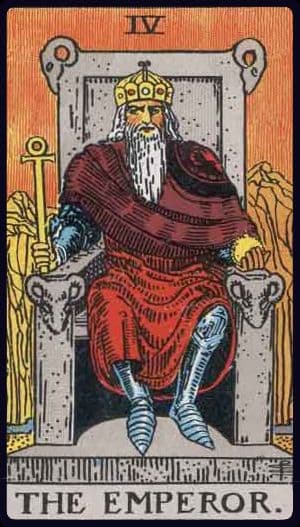

What The Emperor and Temperance Mean Together
Structure becomes more humane in the presence of pace. The Emperor builds boundaries, systems, and consistency; Temperance blends, moderates, and keeps the whole thing from tipping into rigidity or excess. Together, they often reflect sustainable leadership, mature discipline, or the effort to create order that people can actually live inside. This pair can be excellent for long-term building. It also quietly asks whether your rules leave enough room for adaptation, nuance, and ordinary human variation.
What This Pair Reflects
You may not need more control so much as better calibration. This combination invites you to look at whether your current structure supports balance or simply rewards endurance and overfunctioning.
Begin your practice
Your readings, notes, and questions in one private place.
Start a readingIn Different Situations
Relationships
A relationship can feel steady without either person having to follow a fixed set of rules. The Emperor values reliability and clear boundaries; Temperance makes room for the differences that two people bring to those boundaries. Together, they speak to the quieter work of making commitment livable. Perhaps one person wants a clear answer while the other needs time to find the words. Neither need cancels the other. The useful question is whether the structure between you helps both people feel secure, or whether keeping things orderly has begun to matter more than understanding each other.
Career
Being responsible for the work does not mean holding every part of it tightly. The Emperor brings standards, direction, and an ability to make things dependable. Temperance tests whether the pace and expectations inside that structure are realistic. In a career reading, this can reflect a capable person who has mistaken constant effort for good leadership, or a team that needs steadier rhythms rather than stricter rules. The two cards favor discipline that leaves room to adjust when people or conditions change. A system that works only when everyone is stretched thin is less stable than it looks.
Decisions
You may know what matters to you and still be unsure how firmly to hold to it. The Emperor favors a clear commitment; Temperance makes space for adjustment without losing the point of the decision. Together, they challenge the idea that being decisive means refusing to bend. A choice can have real boundaries and still leave room for new information, a slower pace, or other people's needs. If every detail must be controlled before you move, the structure may be doing more to calm uncertainty than to help you choose. Steadiness comes from knowing what is essential and what can change.
Burnout
A routine can look balanced on paper and still ask too much of the person living it. The Emperor supplies consistency and clear limits; Temperance notices when those limits need room for changing energy, interruptions and ordinary human needs. If your days have become a test of how much you can withstand, more discipline may only deepen the strain. These cards bring attention to whether your structure can absorb a difficult day without turning it into a failure. A sustainable rhythm has some give in it, even when the commitments themselves matter.
Feeling Stuck
A settled life can become so carefully arranged that even a small change feels disruptive. The Emperor provides the shape you rely on; Temperance works with gradual adjustment rather than an abrupt break from it. Feeling stuck here need not mean the whole structure is wrong. It may mean that the way you've maintained it leaves too little room for anything unfamiliar. The two cards hold a useful tension between keeping what genuinely steadies you and letting its proportions change. Repetition looks different when it becomes a choice you can revise rather than a rule you must preserve.
New Beginnings
You can want a solid beginning without knowing exactly what pace it will demand. The Emperor offers a framework strong enough to lean on; Temperance keeps it responsive as unfamiliar needs become clearer. There may be excitement alongside the desire to make everything orderly before you have lived with it. This combination values preparation, but not a version of preparation that leaves no space to adjust. Early consistency can be quiet and provisional. What makes the new foundation dependable is its ability to change without falling apart, not how closely each day follows the first plan.
Grief and Loss
After a loss, familiar routines can offer a little steadiness and sometimes feel strangely out of place. The Emperor values the shape of a day; Temperance allows that shape to change with what you can carry. There is no correct proportion of ordinary life and grief to maintain. Some commitments may remain meaningful, while others feel heavier than they did before. The cards suggest a structure that can hold uneven days without asking them to look alike. Stability need not mean returning to the person or rhythm you were before the loss.
Reversed Variations
Both reversed
Rules and regulation can both become distorted here. You may swing between overcontrol and poor pacing, creating a system that feels strict in some places and sloppy in others.
The Emperor reversed
The Emperor reversed weakens the steadiness of the container. Temperance still seeks harmony, but the structure may become rigid, unstable, or too controlling to integrate well.
Temperance reversed
Temperance reversed disrupts the pacing inside the order. Authority remains, yet moderation and balance slip, making the system harsher, less flexible, or harder to sustain.