The Hanged Man & Temperance
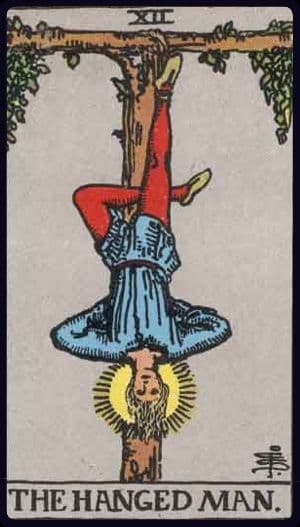
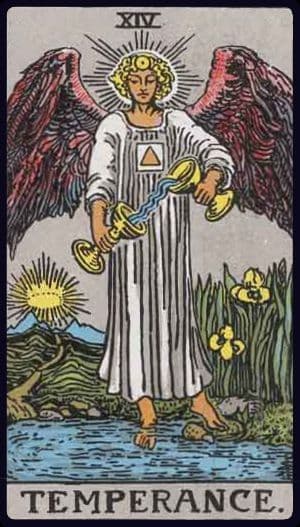
What The Hanged Man and Temperance Mean Together
There are seasons when progress looks less like movement and more like careful nonreaction. The Hanged Man pauses the usual forward push and asks for a different perspective; Temperance adds patience, regulation, and the slow blending of extremes into something more livable. Together, they often reflect a deliberate slowdown after burnout, conflict, or overcorrection. This pair can feel maddening if you want proof that things are improving. Yet much of the work here is subtle: nervous systems settling, priorities reordering, a life becoming less frantic from the inside.
What This Pair Reflects
You may be in a period where restraint is not passivity but intelligence. This combination invites you to notice whether the pause is helping something recalibrate that force could only make more chaotic.
Begin your practice
Your readings, notes, and questions in one private place.
Start a readingIn Different Situations
Relationships
Still caring about someone while leaving space between you can feel like doing nothing. The Hanged Man slows the usual urge to resolve things; Temperance looks for a steadier way of relating while certainty is missing. Together, they make room for patience that changes how you listen and respond, rather than patience that simply asks you to endure. A pause does not promise reconciliation. What matters is whether both people have room to see things differently and whether a calmer rhythm is possible, or whether only one person is doing the adapting.
Career
A slower period at work can feel like failure when you're accustomed to proving progress. The Hanged Man interrupts the usual measure of momentum; Temperance suggests that a workable pace may need to be rebuilt rather than forced. There is room for changing your approach, sharing effort differently, or learning what constant urgency was hiding.
This is not a demand to wait indefinitely or accept conditions that are wearing you down. The useful distinction is whether the pause is helping you find a sustainable way of working, or whether the same strain is simply being postponed.
Decisions
Not deciding yet can be thoughtful, especially when every option seems to pull against another need. The Hanged Man changes the angle from which you see the choice; Temperance asks whether competing priorities can be brought into a more livable balance. The pause may reveal that the question itself needs adjusting before an answer becomes useful. There is a difference between waiting because your understanding is changing and waiting because choosing is uncomfortable. Neither card guarantees that time will settle things for you. Their value is in noticing what the pause is actually making clearer.
Burnout
Sometimes slowing down is the hardest part of being exhausted. The Hanged Man interrupts the urge to keep proving that something is happening, while Temperance looks for a rhythm that does not swing between overdoing it and stopping altogether. Together they allow for an awkward middle period: less activity, but not instant relief. A pause can be useful without becoming another task to perform well. If the quiet only leaves you bracing for the next demand, the balance being sought may need more than extra time.
Feeling Stuck
A long pause can become so familiar that you stop noticing what is changing within it. The Hanged Man shifts your angle of view, and Temperance tests whether small adjustments are making daily life more workable. These are quiet forms of movement, easy to miss when you are looking for a dramatic turn. But patience and repetition are not the same thing. If every day asks you to wait in exactly the same way, without a different understanding or a steadier rhythm, the stillness may no longer be doing what it once did.
New Beginnings
The first part of a new chapter may feel slower than you imagined. The Hanged Man makes room for not yet knowing how to inhabit the change; Temperance allows older habits and unfamiliar possibilities to meet without forcing either one to disappear overnight. You might be eager to feel transformed and still find yourself reaching for the rhythm you know. That does not make the beginning false. Some adjustments become visible only through ordinary days, when the excitement has quieted and a new way of living has to fit the life you actually have.
Grief and Loss
Grief can change the pace of ordinary life without asking permission. The Hanged Man reflects how familiar movement may feel suspended, while Temperance makes room for uneven adjustments rather than a timetable for feeling better. There may be days when you can hold several feelings at once and others when even small demands feel too much. Neither state measures how well you are handling a loss. The two cards leave room for time to pass without treating time itself as a cure. What fits now may be different from what fit before, and it can keep changing.
Reversed Variations
Both reversed
Stillness can curdle into stuckness here. You may be waiting without integrating anything, or trying to restore balance while resisting the perspective shift that balance actually requires.
The Hanged Man reversed
The Hanged Man reversed weakens the surrender that supports the recalibration. Temperance still seeks steadiness, but impatience can keep the system from settling properly.
Temperance reversed
Temperance reversed disrupts the regulation inside the pause. The waiting remains, yet it may feel more strained, dysregulated, or emotionally hard to use well.