The Chariot & The Devil
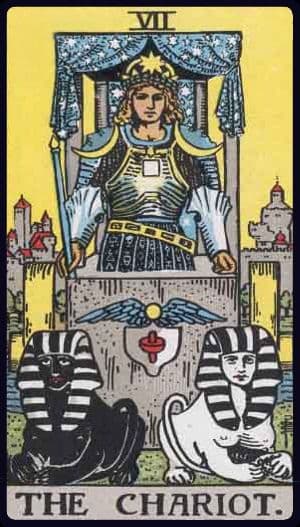
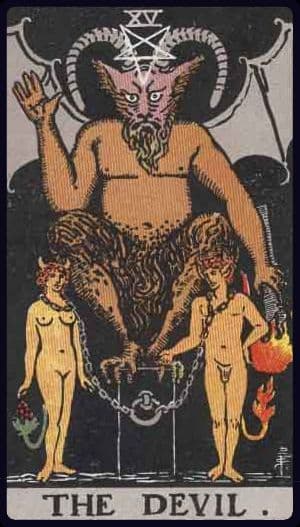
What The Chariot and The Devil Mean Together
This is what determination looks like when it starts feeding on fear, obsession, or the need to dominate. The Chariot wants victory and control; The Devil exposes attachment, compulsion, and the hidden bargains made in the name of staying powerful or wanted. Together, they often reflect workaholism, controlling dynamics, revenge motivation, or the uneasy feeling that your drive is no longer clean. The energy is potent, but it can quickly turn punishing. You may be moving fast in a direction that is actively tightening the trap.
What This Pair Reflects
Ask what your ambition is currently attached to besides the stated goal. This combination invites you to look at whether the push to win is masking fear, dependency, or a need to prove something that no achievement will settle.
Begin your practice
Your readings, notes, and questions in one private place.
Start a readingIn Different Situations
Relationships
A strong pull toward someone can feel like proof that the connection matters. The Chariot adds pursuit and the desire to make things happen; The Devil asks what might be keeping that pursuit so intense, especially fear of losing attention or control. The pair does not declare a relationship unhealthy or tell you what the other person feels. It makes a sharper question visible: do you still have room to choose how you show up, or does every setback make you chase harder? Wanting closeness and feeling trapped by the need for it can coexist.
Career
Achievement may have stopped feeling satisfying, even though you keep raising the bar. The Chariot is capable of sustained effort; The Devil shows how drive can become tied to proving worth, keeping status or avoiding the discomfort of stopping. Together, they expose the uneasy point where ambition still produces results but no longer feels freely chosen. A demanding goal is not automatically a trap. The question is whether you can revise it, rest or say no without feeling that everything you have built will disappear. Control can look convincing from the outside and feel narrow from within.
Decisions
You may be calling something a clear choice because the alternative feels unbearable. The Chariot wants control of the outcome; The Devil draws attention to the attachment beneath that urgency, whether to approval, certainty, habit or a particular reward. This combination can make a decision feel less free than it first appeared. It doesn't mean the goal is wrong. It means the pressure to obtain it deserves scrutiny. A choice made from desire can still be sound; a choice made to quiet fear can carry costs you were reluctant to name.
Burnout
Even when the immediate demands ease, you may find it difficult to stop driving yourself. The Chariot gives you a practiced ability to push; The Devil points to the grip of rules you may no longer believe but still obey, such as needing to earn rest or prove you're indispensable. That grip can continue long after the useful work is done. The issue isn't ambition itself, and these cards don't diagnose a condition. They bring attention to the cost of a pace that feels compulsory rather than chosen, especially when stopping produces more unease than relief.
Feeling Stuck
Being busy can become its own kind of trap. The Chariot supplies speed and a fierce wish to get somewhere; The Devil makes the motion circle around something hard to release, perhaps a standard, a comparison or the need to remain in control. You may keep repeating the same effort because changing the pattern would expose how tightly you've come to depend on it. This is different from having no direction. There is direction, but very little freedom to alter it. The stuck feeling may come from the narrowness of the track, not the absence of momentum.
New Beginnings
A fresh start can quickly become another thing you feel you must get exactly right. The Chariot brings momentum and the thrill of taking charge. The Devil notices when that energy is fastened to a single picture of success, until every delay feels personal and every detour feels threatening. Wanting this beginning badly is not itself a warning. The tension emerges when the new chapter starts recreating an old pressure: keep proving, keep chasing, never be satisfied. The cards leave open what you choose to pursue, while questioning how much room you have to begin imperfectly.
Grief and Loss
Sometimes the hardest part of a loss is the feeling that you must keep doing something about it. The Chariot carries the urge to act, preserve, fix or regain control. The Devil draws attention to the painful bargain that can develop around that urge: if you stop searching for a way back, perhaps you fear you're abandoning what mattered. This does not make remembering or maintaining rituals wrong. It recognizes how devotion and pressure can become tangled. The loss remains meaningful without requiring you to prove its importance through constant effort.
Reversed Variations
Both reversed
The compulsive drive may be faltering, but the pattern remains sticky. You may feel both exhausted by the chase and reluctant to loosen the control it once gave you.
The Chariot reversed
The Chariot reversed weakens your ability to direct the intensity well. Attachment remains high, but the effort may become chaotic, reactive, or increasingly self-defeating.
The Devil reversed
The Devil reversed loosens the unhealthy charge around the ambition. Momentum remains, yet it becomes easier to separate disciplined effort from fear-based compulsion.