The Emperor & The Chariot
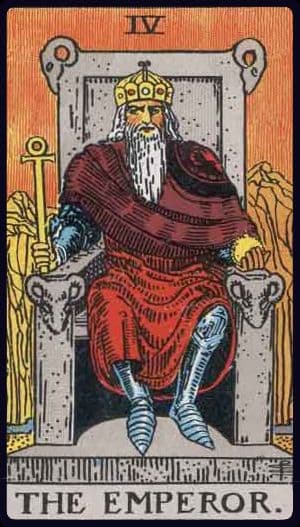
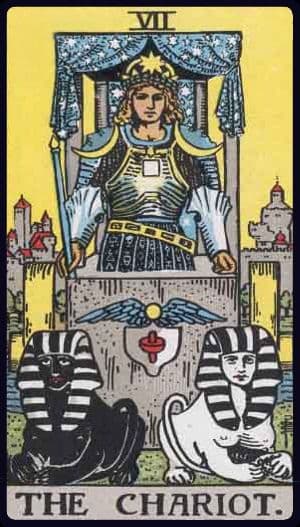
What The Emperor and The Chariot Mean Together
This is disciplined force. The Emperor establishes structure, hierarchy, and long-range stability; The Chariot brings momentum, competitive focus, and the need to direct will toward a chosen outcome. Together, they often reflect a period of high control — building something ambitious, leading under pressure, or refusing drift in favor of strategy. The strength here is obvious. So is the risk of becoming so attached to command that you stop noticing what your drive is doing to your body, relationships, or judgment.
What This Pair Reflects
You may be in a season where leadership and determination are necessary, but not innocent. This combination invites you to ask whether you are steering the situation or merely tightening your grip because uncertainty feels intolerable.
Begin your practice
Your readings, notes, and questions in one private place.
Start a readingIn Different Situations
Relationships
Sometimes a couple knows where it wants to go but struggles with who gets to steer. The Chariot carries the urge to move forward and resolve uncertainty; The Emperor prefers firm plans, defined roles, and control over the conditions. Together they can describe a partnership capable of following through on shared commitments. They can also show how determination turns into pressure when one person's timetable becomes the rule. If things feel stuck despite all the planning, more force may not be the answer. Direction matters, but so does whether both people have a say in it.
Career
You can have the discipline, the plan, and the drive, yet still feel that work requires you to push harder every week. The Emperor lays out the systems and responsibilities; The Chariot turns them into movement toward a clear goal. At their best, the pair gives ambition a workable direction rather than leaving it to bursts of effort. Under strain, though, control becomes its own measure of success. A useful test is whether your structure is making progress possible or merely making it harder to admit when a strategy needs to change.
Decisions
You may want to move forward but keep revising the plan in hopes of removing every risk. The Emperor is useful here: set the boundaries, understand the responsibilities, and give the decision a sound foundation. The Chariot asks for direction once that foundation is in place. Together they distinguish being prepared from needing control over how everything unfolds. They do not say that faster is better or that determination guarantees success. The real shift may be accepting that a choice can be deliberate and firm without making uncertainty disappear first.
Burnout
When every day has a plan and you still feel behind, more discipline can start to look like the only answer. The Emperor builds a system meant to make demands manageable; The Chariot keeps that system moving, even when your capacity has changed. Their strength becomes a strain if stopping feels like losing control. You may be accomplishing what you set out to do while having less and less room to notice its cost. Direction is valuable, but a pace you cannot question is no longer fully yours to steer.
Feeling Stuck
You keep pushing, yet somehow end up at the same point. The Chariot wants visible movement; The Emperor insists on a reliable route and clear control over how you get there. When those impulses lock together, effort can become a circuit: more planning, more determination, no real change. The frustration may not come from a lack of will. You may be trying to move within rules that no longer allow another direction. The distinction worth noticing is between staying committed to what matters and remaining loyal to a route simply because you built it.
New Beginnings
A fresh start can be exciting and uncomfortable precisely because you cannot direct all of it yet. The Chariot brings the resolve to begin moving; The Emperor wants a frame strong enough to hold that movement. Together they favor a beginning with intention rather than pure impulse. The difficulty comes when you expect the new situation to obey your plan before you have had time to learn it. Structure can help you enter unfamiliar territory. It becomes less useful when every unexpected turn feels like proof that you have lost your way.
Grief and Loss
After a loss, it can be tempting to keep moving because movement is the one thing you still know how to direct. The Chariot brings that forward pull; The Emperor tries to restore order around what has changed. Both may help with practical needs, but neither can put the missing thing back. If you feel pressure to be efficient with your grief, this combination exposes the mismatch. You can manage the next necessary step without treating the whole experience as a task with a finish line. Not everything that matters can be steered.
Reversed Variations
Both reversed
The need for control can turn into aggression, rigidity, or stalled force. You may push hard while losing direction, or insist on structure without actually creating movement.
The Emperor reversed
The Emperor reversed destabilizes the framework behind the ambition. Drive remains strong, but the system around it may be domineering, brittle, or poorly grounded.
The Chariot reversed
The Chariot reversed removes clean direction from the structure. Authority may still be present, yet momentum becomes scattered, frustrated, or overly forceful without real progress.