The Chariot & The Hanged Man
What The Chariot and The Hanged Man Mean Together
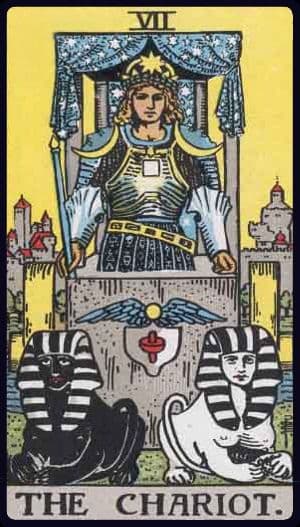
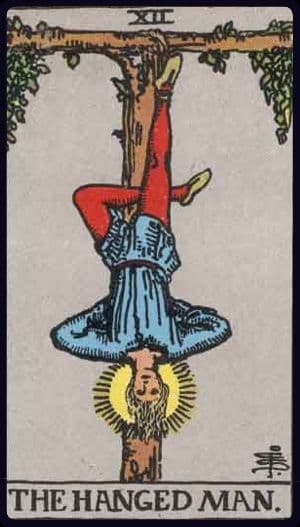
This pair often reflects the misery of wanting movement in a season that refuses to be rushed. The Chariot wants traction, direction, and visible progress; The Hanged Man asks for pause, surrender, and a perspective shift that cannot be bullied into existence. Together, they can describe stalled plans, frustrated ambition, or a period when the harder you push, the more obvious it becomes that this problem is not solvable through force. The tension is psychological as much as practical. Stillness can feel humiliating when your identity is tied to momentum.
What This Pair Reflects
You may be trying to solve a pause by treating it like an obstacle instead of a change in method. This combination invites you to consider whether the delay is failure, or whether it is revealing something your current pace cannot see.
Begin your practice
Your readings, notes, and questions in one private place.
Start a readingIn Different Situations
Relationships
You may want a relationship to move somewhere definite while the situation seems to ask for more time. The Chariot feels that pause as lost ground; The Hanged Man suggests that pushing harder may not reveal what is missing. Waiting can create room for a different understanding, but it can also become a habit of avoiding the truth. This combination doesn't tell you to keep waiting or walk away. It brings the more difficult distinction into view: whether the pause is changing how you see each other, or simply postponing a conversation that still matters.
Career
When effort stops producing movement, doing more of the same can feel like the only way not to fall behind. The Chariot is built for direction and traction; The Hanged Man exposes the limits of a strategy that depends on constant forward motion. A stalled project or uncertain next step may call for seeing the problem differently rather than proving your endurance. But not every delay contains a hidden lesson; sometimes a real obstacle needs to be named. This pair asks you to distinguish purposeful reconsideration from being stuck in a cycle of frustrated pushing.
Decisions
Being unable to move ahead can make any decision feel better than remaining where you are. The Chariot wants the relief of choosing a path; The Hanged Man interrupts that impulse long enough to question how the options have been framed. Perhaps the choice is real but the timing is wrong, or perhaps you're trying to solve the wrong problem. Pausing doesn't guarantee clarity, and postponing forever is a choice of its own. This pair makes room for a different view before action, without pretending that every difficult decision can be resolved through patience alone.
Burnout
Running out of capacity can feel especially frightening when you've learned to answer every difficulty by trying harder. The Chariot reaches for another burst of will; The Hanged Man exposes a limit that effort alone cannot remove. The pause may be unwanted, and it doesn't need to be dressed up as a lesson. Nor does stillness automatically change the conditions that wore you down. The tension here is between the wish to regain control immediately and the reality that the old pace has stopped being sustainable.
Feeling Stuck
You want movement badly enough that every pause begins to feel like a personal defeat. The Chariot keeps returning to the same route with more determination; The Hanged Man interrupts the route itself. That can feel maddening when you've already waited and reconsidered for a long time. Still, there is a difference between being unable to move and being unable to move in the way you expected. This doesn't make every obstacle a matter of attitude. It asks whether the effort you've been repeating is connected to the kind of progress you're seeking.
New Beginnings
Not every beginning announces itself with momentum. You might be ready for a different life while the practical shape of it remains unfinished. The Chariot supplies the desire to move; The Hanged Man makes space for a starting point that doesn't resemble a clean launch. That suspension can be disappointing, especially if you expected change to bring immediate relief. Yet a tentative beginning is still a beginning, and the absence of quick progress doesn't automatically invalidate it. Here, resolve and uncertainty occupy the same threshold without either needing to defeat the other.
Grief and Loss
Loss can interrupt a life that was already moving, leaving the wish to continue alongside the feeling that time has stopped. The Chariot reaches for familiar direction and routine; The Hanged Man holds the uncomfortable suspension that can't be hurried out of existence. Neither is a measure of how much something mattered. Practical movement may return in pieces while other parts of life remain difficult to imagine. This is not a promise that the pause will reveal a hidden gift. Some experiences change the pace of living without offering an explanation.
Reversed Variations
Both reversed
Stagnation becomes more brittle and combative. You may resist the pause while also being unable to create real movement, producing frustration without insight.
The Chariot reversed
The Chariot reversed removes clean direction from the tension. The pause remains, but it may now feel like confusion, misfired effort, or drained will rather than purposeful suspension.
The Hanged Man reversed
The Hanged Man reversed resists the surrender the situation requires. Momentum still matters, but impatience can keep you repeating the same push without the needed perspective shift.