The Hanged Man & The Devil
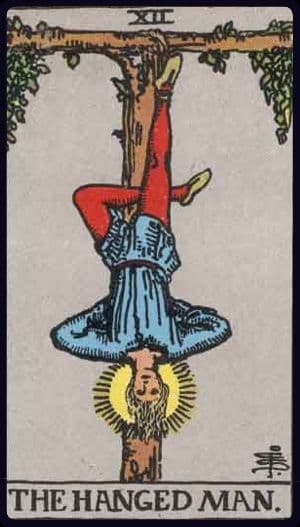
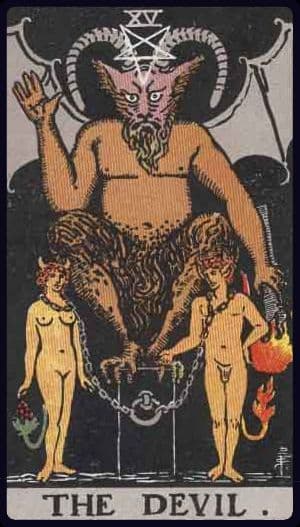
What The Hanged Man and The Devil Mean Together
Not every pause is peaceful. Some are the result of being stuck inside a pattern you can finally see but do not yet know how to interrupt. The Hanged Man suspends action and alters perspective; The Devil reveals attachment, compulsion, and the uncomfortable charge of what keeps holding you in place. Together, they often reflect emotional gridlock, addiction cycles, unhealthy relationships, or work dynamics where awareness has arrived before freedom. This pair can feel claustrophobic. It asks what has been normalized that is actually keeping you suspended.
What This Pair Reflects
You may be seeing a pattern clearly enough now that passive endurance no longer feels neutral. This combination invites you to consider whether the pause is creating insight, or whether it has become the form your entanglement now takes.
Begin your practice
Your readings, notes, and questions in one private place.
Start a readingIn Different Situations
Relationships
Seeing a familiar pattern between you and someone else doesn't make it easy to stop repeating it. The Devil gives that pattern its pull: familiarity, desire, fear of loss, or the relief that follows each difficult exchange. The Hanged Man leaves you looking at it from a standstill, with more awareness than freedom.
Neither card tells you what the other person intends or whether the relationship should end. It makes the uncomfortable gap between seeing a cycle and changing your place in it difficult to ignore. Waiting can bring insight, but it can also become part of the cycle.
Career
Naming a work pattern that's costing you too much doesn't automatically loosen its hold. The Devil captures the grip of status, security, approval, or a familiar reward; The Hanged Man captures the standstill in which you can see the tradeoff but cannot easily act on it. The constraints may be real; these cards are not an instruction to quit or a judgment about ambition. The pairing draws attention to the difference between a necessary compromise and a habit that has begun to feel unavoidable. Awareness matters, even before a workable alternative is clear.
Decisions
When you keep returning to the same choice, neither option may feel entirely free. The Devil can reveal a strong attachment to an outcome, a familiar reward, or the fear of what you would lose. The Hanged Man holds action in suspension long enough for that attachment to become visible. This brings into question whether the choice is as narrow as it currently feels.
This does not make your practical limits imaginary. It means that a real constraint and an old habit can exist at the same time. Seeing which is which may matter more than rushing toward an answer just to escape the discomfort.
Burnout
Even when there is a chance to stop, you may feel pulled to make yourself useful again. The Devil catches the grip of an old bargain: keep giving, keep achieving, keep being needed, and perhaps the unease will ease. The Hanged Man creates the uncomfortable space in which that bargain becomes visible. This does not mean your demands are imaginary or your exhaustion is a personal failing. It draws attention to the difference between what genuinely needs you and what has begun to feel compulsory, long after the cost became clear.
Feeling Stuck
You can see the loop and still find yourself back inside it. The Devil speaks to the pull of what is familiar, even when it leaves you feeling smaller; The Hanged Man catches the moment when noticing has outpaced movement. That gap can be frustrating, especially if you have already explained the pattern to yourself many times. Insight alone does not cancel real constraints, attachments or fears. Here the stuckness has a particular texture: part of you knows the cost, while another part still finds something difficult to relinquish in the way things are.
New Beginnings
You can want a fresh start and still miss what kept you tied to the old one. The Devil brings the comfort and pressure of familiar attachments into view; The Hanged Man creates a pause in which their pull is easier to recognize. A new situation does not automatically loosen an old habit, but neither does its return mean change is impossible. This combination gives the threshold an honest tension: the appeal of something different beside the fear of losing a role, reassurance or reward you know well. The beginning can remain open without pretending that conflict has vanished.
Grief and Loss
A loss can leave you holding tightly to something that still connects you to what is gone. The Devil gives that attachment its force, whether it feels like guilt, a familiar ritual or the fear that loosening your grip would mean caring less. The Hanged Man holds the tension in view without demanding release. There is no judgment here that your grief is a bad habit. It is possible to recognize when a thought is painful and still understand why it matters to you. The bond and the burden may be difficult to separate, especially now.
Reversed Variations
Both reversed
The pattern may be loosening, but you may still feel trapped in its residue. Insight grows unevenly, and the old bond can keep pulling even after you stop believing in it fully.
The Hanged Man reversed
The Hanged Man reversed resists the uncomfortable perspective the attachment requires. The Devil remains active, but impatience or denial can keep the deeper pattern partially obscured.
The Devil reversed
The Devil reversed weakens the hold of the entanglement. Suspension may still exist, yet there is more room to turn the pause into clarity rather than captivity.