The Hierophant & The Devil
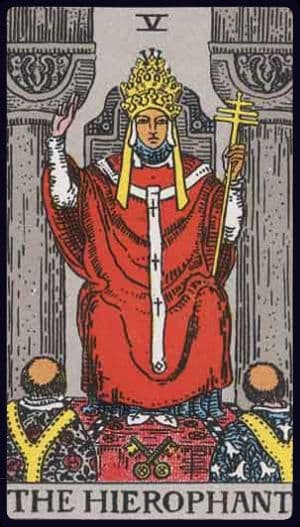
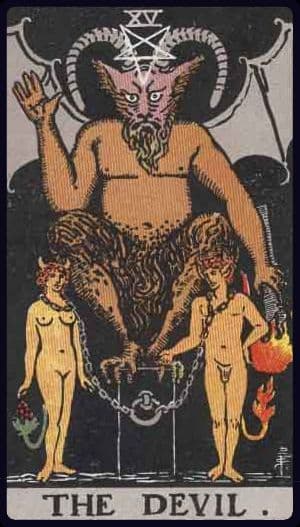
What The Hierophant and The Devil Mean Together
This pair often appears when morality and desire are locked in a private fight neither side is fully winning. The Hierophant represents codes, rules, and socially sanctioned values; The Devil exposes compulsion, taboo, dependency, and the part of you that may comply outwardly while remaining inwardly bound to what is forbidden or hard to admit. Together, they can describe shame-driven behavior, controlling institutions, or the way rigid belief systems sometimes intensify the very fixations they claim to prevent. The pressure here is not abstract. It lives in the body.
What This Pair Reflects
Consider whether your current struggle is actually about desire, or about the shame and secrecy wrapped around it. This combination invites you to notice where moral structure is helping you act with integrity and where it is trapping you in fear, rebellion, or double lives.
Begin your practice
Your readings, notes, and questions in one private place.
Start a readingIn Different Situations
Relationships
You may be torn between what a relationship is supposed to be and what you actually feel inside it. The Hierophant can represent loyalty, promises and the pressure to be seen as doing the right thing. The Devil brings in attachment, desire or fear that feels harder to admit. Together, they ask whether your choices are still yours, or whether guilt and the need for approval are keeping you in a pattern. Strong attraction doesn't prove a bond is wrong, and commitment doesn't make every demand fair. The uneasy part is noticing where love, obligation and shame have become tangled.
Career
A workplace can offer status and belonging while making it surprisingly hard to say no. The Hierophant speaks to the rules, credentials and approval that define success there; The Devil asks what you're afraid of losing if you stop playing along. An unhealthy attachment to a role doesn't mean the work itself is worthless. It means recognition or security may have become tied to habits you no longer respect. If you're wondering why you keep accepting a cost that troubles you, this combination gives that conflict a name. The hardest pressure may be the one you have learned to enforce on yourself.
Decisions
Sometimes a choice feels forbidden before you've even asked whether it is harmful. The Hierophant carries the rules you've been taught to respect; The Devil draws attention to the desire, fear or attachment those rules can make difficult to examine. Breaking a rule isn't automatically freedom, just as obeying it isn't automatically integrity. This pair is useful when guilt is louder than your actual reasons. You may need to separate what you want, what it costs and whose judgment you are trying to escape. Only then does the decision begin to look like a choice rather than a struggle between temptation and punishment.
Burnout
The hardest part of being worn down may be the shame attached to admitting it. The Hierophant carries the standard you've learned to meet; The Devil reveals how approval, fear or a punishing sense of duty can keep you tied to it past your limits. You may resent the demand and still feel compelled to prove you can handle it. That contradiction deserves more attention than another attempt to push through. The pressure may be real, but not every rule about being useful or responsible deserves authority over your body and time.
Feeling Stuck
You may keep circling the same pattern because both staying and resisting it feel charged. The Hierophant represents the rules that say what a good or acceptable life should look like; The Devil brings the pull of fear, shame and attachments that don't simply vanish when you disagree with those rules. Defiance can become as repetitive as obedience when both are organized around the same authority. That does not mean you're incapable of change. It means the grip may lie partly in how much of your attention the rule still commands, even when you want to leave it behind.
New Beginnings
A fresh start can feel strangely constrained when the old rules follow you into it. The Hierophant names the standards of what is respectable, sensible or allowed; The Devil draws attention to the approval or security you may still feel bound to seek. You can genuinely want something new and still catch yourself reproducing the pressures you hoped to leave. That tension is not proof the beginning is false. It is a reminder that a changed setting doesn't automatically loosen an old attachment. Freedom may feel unfamiliar before it feels comfortable, especially when being accepted has carried such weight.
Grief and Loss
There can be shame in grieving in a way that doesn't match what people consider appropriate. The Hierophant represents those expectations: how long to mourn, what to remember, what you're meant to let go of. The Devil brings the feelings that may become harder to admit under that scrutiny, including anger, relief, longing or guilt. None of them, on its own, defines the significance of what was lost. The tension here is between a prescribed version of grief and the private experience that refuses to fit it. You do not owe anyone a tidier story of your attachment.
Reversed Variations
Both reversed
The grip of the pattern may be weakening, but the confusion around it remains. You may be questioning the rules and the attachment at the same time, without yet knowing what a cleaner relationship to either would look like.
The Hierophant reversed
The Hierophant reversed weakens the authority of the moral framework. The attachment remains active, but it may become easier to separate genuine ethics from inherited shame.
The Devil reversed
The Devil reversed loosens the compulsive charge. Tradition still stands, yet the rules around the issue may now be examined with less fear and less reactive intensity.