The Devil & The World
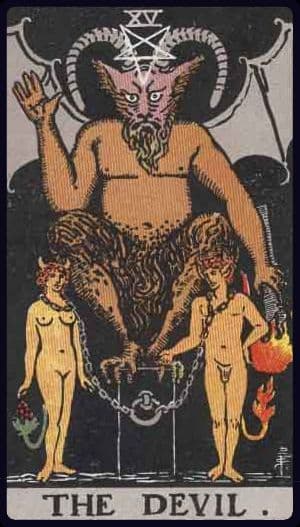
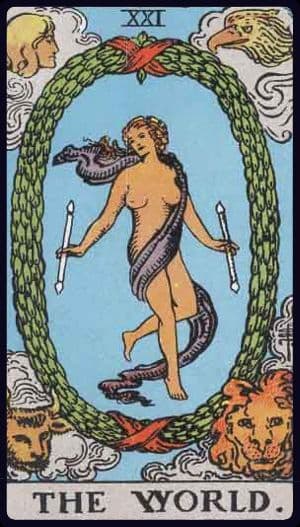
What The Devil and The World Mean Together
Completion is harder when part of you is still bound to the thing you say is over. The Devil brings attachment, repetition, and the charged pull of what keeps cycling; The World brings closure, integration, and the sense that a chapter is meant to finish cleanly. Together, they often reflect difficulty ending a toxic bond, compulsive revisiting of an old role, or the unnerving realization that what is unfinished may be less about circumstance than about lingering dependency. This pair is about the friction between closure and craving.
What This Pair Reflects
You may be close to the end of something that still exerts a strange gravitational pull. This combination invites you to notice whether the open loop is logistical, or whether part of you is still emotionally organized around what should already be complete.
Begin your practice
Your readings, notes, and questions in one private place.
Start a readingIn Different Situations
Relationships
You can know a chapter is finished and still feel attached to the person who filled it. The Devil speaks to that pull: old habits, charged memories, or the wish to return to something familiar. The World holds the possibility of a full ending, one that becomes part of your history rather than a loop you keep entering. This pairing does not require separation; a relationship might also need to outgrow an old way of operating. The question is whether the bond has actually changed, or whether the same story keeps restarting with a different promise.
Career
You may have reached the end of a role or ambition on paper while still measuring yourself by its rules. The Devil describes the attachment to a title, identity or familiar struggle; The World marks a chapter that may be complete even if it still has emotional weight. Leaving isn't the only form of closure. You might stay while changing how much of yourself the work gets to claim. This pairing asks whether the lesson has been integrated, or whether you are repeating the same proving ground because it is where you know how to belong.
Decisions
The decision may be less about what to begin than what you are willing to let finish. The Devil holds the pull of unfinished attachment: a habit of checking again, a role you keep returning to, or the feeling that leaving something behind erases its value. The World suggests that a chapter can remain meaningful without needing another round. This isn't proof that the answer is to walk away. It asks whether reopening the choice produces new understanding or merely restores a familiar tension. Closure can involve choosing differently within the same circumstances, too.
Burnout
You can finish one demanding stretch and still feel unable to stop. The World holds the shape of a completed cycle, while The Devil describes the attachment that immediately turns completion into another round of pressure. There may be satisfaction in what you have done alongside a habit of treating every ending as temporary permission to take on more. Burnout here is less about a single unfinished task than about whether anything ever gets to be enough. An ending has a different meaning when you can let it remain an ending.
Feeling Stuck
There is a particular kind of stuckness in being nearly finished, again and again. The World represents the possibility of a cycle reaching its full shape; The Devil keeps drawing attention back to a familiar unfinished part. You may be attached to the struggle itself because it has become how you understand this period of your life. That is not proof you are choosing to stay stuck. It is a way to examine why progress can feel oddly disorienting. Sometimes the repeated beginning is easier to recognize than the ending already within reach.
New Beginnings
Beginning again does not always feel like a beginning when part of you is still checking the door to the last chapter. The World gives an ending its full weight: what happened mattered, and a period can become part of your history. The Devil reflects the lingering urge to revisit the same attachment or role before allowing anything new to count. This is not a demand for perfect closure. You can carry an unfinished feeling into a changed life. The useful distinction is between remembering what shaped you and continuing to live by its old rules.
Grief and Loss
An ending may be real long before it feels settled inside you. The World gives the lost chapter a place in the whole of your life; The Devil reflects how strongly you may still circle its unfinished questions or the version of yourself that belonged there. Calling it complete can sound too final, even cruel, when the attachment remains. This reading does not insist on closure or ask you to stop returning to a memory. It makes space to notice the difference between keeping something meaningful with you and feeling unable to exist outside the moment it ended.
Reversed Variations
Both reversed
The chapter remains open and the attachment remains active. You may cycle through partial endings, temporary distance, or repeated efforts at closure that do not yet reach the deeper bond.
The Devil reversed
The Devil reversed loosens the hold that keeps the cycle open. Completion then becomes more possible, because the emotional hook is no longer organizing the whole ending.
The World reversed
The World reversed prevents the unhealthy bond from resolving cleanly. Release may be underway, yet repetition, loose ends, or incomplete integration keep closure from landing.