The Fool & The Emperor

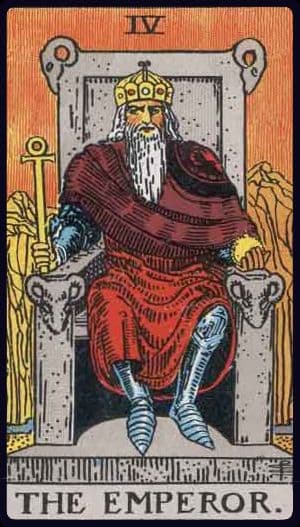
What The Fool and The Emperor Mean Together
The Emperor and The Fool bring structure into tension with a beginning. The Emperor represents rules and responsibility; The Fool represents the willingness to start before certainty arrives. It can reflect the tension between freedom and responsibility, especially around career, money, or identity. You may be asking how to start over without becoming irresponsible — or how to stay safe without becoming rigid.
What This Pair Reflects
This combination invites you to look at the rules you're carrying into a new situation. Which ones are protective, and which ones are just old fear dressed up as discipline. The real question may be how much control is actually needed here.
Begin your practice
Your readings, notes, and questions in one private place.
Start a readingIn Different Situations
Relationships
Part of you wants to be free to fall for someone, and part of you wants to know you can rely on what you're building. The Fool allows the relationship to be new; The Emperor asks what steadiness and boundaries would make that freedom feel safe. This combination does not require choosing between spontaneity and commitment. It can, however, expose when a wish for certainty turns into trying to manage another person, or when keeping things open avoids any responsibility. Trust grows through what both people actually do, not through rules that promise to remove uncertainty.
Career
Starting over at work can feel harder when you already have responsibilities and a reputation to protect. The Fool wants the freedom to be inexperienced again; The Emperor brings the structures, experience and commitments you have accumulated.
This pairing can reveal the false choice between staying secure and making a reckless break. A new direction may need a plan, but too many rules can keep you defending a role you've outgrown. The useful question is what stability must be protected while you experiment, and which parts of the old structure are only there because they're familiar.
Decisions
A choice can feel risky partly because you want to eliminate every possible mistake before you make it. The Fool leaves room to step into something unfamiliar; The Emperor asks which limits would make that step thoughtful rather than careless. Some boundaries are useful: what you cannot compromise, what you need to check, what would make you reconsider. Other demands for control are impossible to satisfy because no decision can settle the entire future. This pair leaves space for both freedom and judgment. Responsibility may mean making a choice with proportionate safeguards, not controlling every consequence.
Burnout
A tightly managed life can look stable while taking nearly all the energy needed to maintain it. The Emperor values order and responsibility; The Fool introduces the discomfort of leaving some part of a day unscripted. When you're exhausted, even rest can become another task to plan, optimize and get right. This combination does not dismiss the obligations that are real. It makes visible the cost of treating every deviation as a failure of discipline. Some of your structure may be carrying you; some may be asking you to keep carrying it long after your capacity has changed.
Feeling Stuck
The same routines that helped you build a dependable life may now leave little room for a different version of yourself. The Emperor can keep everything in place, and The Fool doesn't know who it will be once it steps outside the familiar role. Feeling stuck here may have less to do with a lack of options than with an unspoken rule that you must remain the person who always knows what they're doing. Order is not the same as immobility. A structure can still be worth keeping without requiring every day, reaction and attempt to resemble the last.
New Beginnings
Beginning again doesn't mean arriving without a past, responsibilities or habits that still matter. The Emperor carries what has given your life shape; The Fool makes room for an identity that hasn't learned its rules yet. At this threshold, you might try to recreate the old structure immediately just to feel secure, or reject every limit because the newness feels precious. Neither impulse needs to govern the whole beginning. Some familiar boundaries may protect what matters, while others belong to a role you no longer occupy. The shape of the new chapter can emerge without being fully settled on day one.
Grief and Loss
When something important is lost, routines can offer a needed shape to days that no longer feel predictable. The Emperor holds that structure; The Fool meets the parts of life for which the old rules no longer quite fit. You may find comfort in keeping familiar rituals and, at other moments, feel confined by the expectation that everything should look as it did before. Neither response makes the other false. Stability may matter more now, even as you find that it cannot restore what has changed. There is no single correct way to divide the day between holding on and moving through unfamiliar ground.
Reversed Variations
Both reversed
The dynamic becomes chaotic and brittle at once. Impulsiveness meets poor structure, which can look like acting out while insisting you're being practical.
The Fool reversed
The Fool reversed turns possibility into fear of exposure. The Emperor stays strong, but his structure may become a fortress that keeps new life out.
The Emperor reversed
The Emperor reversed makes the framework unstable or domineering. You may want a fresh start, but the rules around it are either collapsing or becoming suffocating.