The Emperor & The Hanged Man
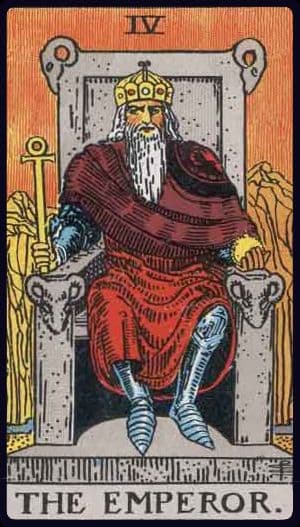
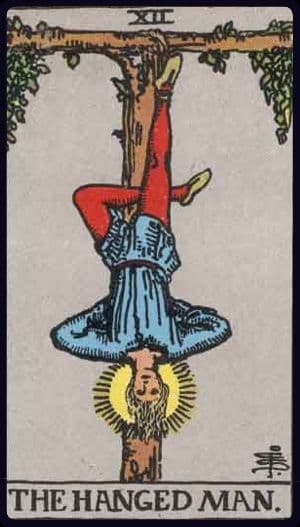
What The Emperor and The Hanged Man Mean Together
Few combinations describe frustration as cleanly as this one. The Emperor wants structure, decision, and firm direction; The Hanged Man introduces pause, suspension, and the demand to let go of the very control that normally makes you feel competent. Together, they often appear when a plan stalls for reasons force cannot fix — bureaucratic delay, emotional uncertainty, a life shift that requires perspective rather than management. The discomfort runs deep because stillness can feel like failure to the part of you that equates movement with strength.
What This Pair Reflects
You may be trying to solve a situation by tightening the framework when what it actually needs is surrender, patience, or a reframed view of what counts as progress. This combination invites you to notice where control has reached its limit.
Begin your practice
Your readings, notes, and questions in one private place.
Start a readingIn Different Situations
Relationships
You may want to settle where a relationship stands, yet every attempt to define it seems to tighten the tension. The Emperor looks for a clear direction and dependable terms; The Hanged Man introduces a pause that cannot simply be managed away. Waiting can feel like losing your say, especially when clarity matters to you. But pushing for an answer before either person sees the situation differently may produce a decision without understanding. This pair also leaves room to question an endless pause. There is a difference between giving something space and staying suspended because no one wants to speak plainly.
Career
You have a plan, people are expecting progress, and still the work will not move on the timetable you set. The Emperor wants direction, clear responsibility and measurable action; The Hanged Man introduces the kind of delay that pressure may only make worse. That does not mean abandoning standards or doing nothing. It may mean noticing the assumption everyone has been working around, or accepting that a decision cannot be forced yet. This pair is especially uncomfortable when competence has always meant getting things unstuck. Sometimes good leadership is visible in what it chooses not to push.
Decisions
Not deciding can feel unbearable when you are used to taking charge. The Emperor wants an answer, a timetable and something concrete to do; The Hanged Man interrupts that momentum so an old assumption can be seen from another angle. This is not a blanket endorsement of waiting. A pause can offer a genuinely different view, or become a way to avoid a difficult choice. The distinction is whether anything is changing in how you understand the problem. You may not need a stronger grip on the options so much as a clearer view of what each one asks you to give up.
Burnout
Even when you're running out of energy, slowing down can feel like letting everything unravel. The Emperor is accustomed to keeping things moving through effort and control; The Hanged Man interrupts that habit with a pause that has no tidy measure of success. You might still be mentally managing every responsibility while appearing to rest. That tension matters more than how productive the day looks. The pause may be uncomfortable because it exposes how much of your sense of steadiness depends on being the one who holds everything together.
Feeling Stuck
There is a particular frustration in doing all the right things and finding yourself in the same place. The Emperor keeps returning to plans, routines and the belief that effort should produce movement. The Hanged Man suspends that familiar exchange: more pressure may reproduce the same view rather than change it. This does not make waiting a virtue in itself. You might be holding a situation so tightly that you cannot see its shape from anywhere else. The impasse carries information about the method you've been using, not a verdict on your ability to move.
New Beginnings
A fresh start can make you impatient to feel capable again. The Emperor wants a plan and a firm sense of direction; The Hanged Man allows for the strange interval in which the old way no longer fits and the new one isn't clear yet. That interval may feel unproductive, especially if you are used to making things happen through competence. You can bring experience into this beginning without expecting it to answer every unfamiliar question. Some of what needs to change is how you measure progress while the shape of this chapter is still emerging.
Grief and Loss
When something important is gone, the ordinary instinct to organize and repair can meet a reality that does not respond to effort. The Emperor reaches for structure, practical action and a way to regain footing. The Hanged Man holds the experience that some things remain unresolved no matter how carefully the days are managed. You may need routines and still feel suspended inside them. That is not a failure of strength. This combination recognizes the awkward coexistence of what can be tended to now and what cannot be put back into place by taking charge.
Reversed Variations
Both reversed
The pause can become a power struggle with reality. You may refuse to yield while also being unable to move, creating a tense stalemate that exhausts without clarifying.
The Emperor reversed
The Emperor reversed makes the stalled situation feel more brittle or domineering. The pause remains, but your response to it may become overcontrolling, defensive, or structurally unstable.
The Hanged Man reversed
The Hanged Man reversed resists the surrender the pair requires. You may keep pushing for resolution through order and force, even though the real shift depends on letting your perspective change.