The Emperor & The Hierophant
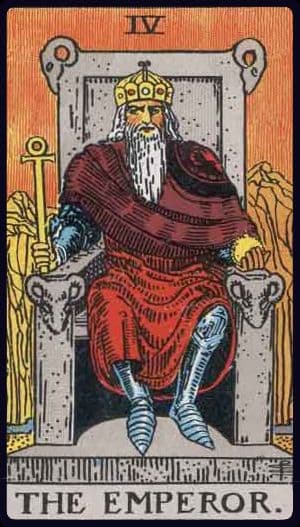
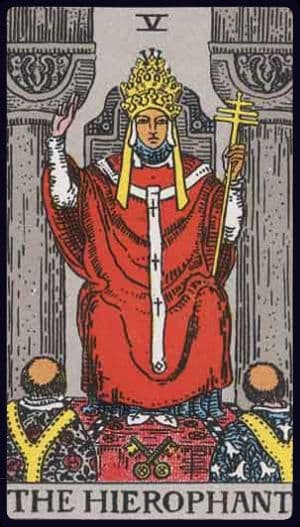
What The Emperor and The Hierophant Mean Together
Rules matter here, and so does the question of who made them. The Emperor values order, authority, and structure; The Hierophant adds institutional logic, tradition, and collective standards that feel older than any one person. Together, they often reflect strong external frameworks — family expectations, corporate culture, religion, law, or any system that offers stability while also shaping identity through obedience. This pair can be protective, even wise. It becomes suffocating when structure hardens into unquestioned legitimacy.
What This Pair Reflects
You may be dealing with a situation where authority feels bigger than one person's opinion. This combination invites you to examine which rules actually create safety and coherence, and which ones merely preserve power because they have been there a long time.
Begin your practice
Your readings, notes, and questions in one private place.
Start a readingIn Different Situations
Relationships
A relationship can look steady from the outside while leaving little room to ask whose rules it follows. The Emperor represents the roles and boundaries that keep life together; The Hierophant adds the expectations inherited from family, community, or a familiar idea of commitment. Those structures can offer genuine support. They can also make one person's preferences sound like unquestionable tradition. If you're wondering whether to fit in or push back, this pair doesn't demand rebellion. It asks which agreements you and the other person have actually chosen, and which ones have simply been handed to you.
Career
You may know exactly how to do your job and still feel constrained by the way decisions get made around you. The Emperor is direct authority: management, accountability, the person setting the boundaries. The Hierophant is the wider system of accepted procedures and professional norms. When they appear together, a frustrating rule may be bigger than one difficult boss, while a good process may be worth preserving even when it feels slow. The question isn't simply whether to obey or challenge authority. It's which rules genuinely protect good work, and which survive mainly because nobody is expected to question them.
Decisions
It's hard to hear your own judgment when a decision carries the weight of what responsible people are supposed to do. The Emperor offers structure, consequences, and necessary limits. The Hierophant brings standards you've learned to respect, perhaps long before this particular choice appeared. Taken together, they invite you to separate sound guidance from inherited obligation. Some rules have earned your trust; others may only feel true because they've always been repeated. You can make a careful, principled choice without treating every familiar expectation as binding, or dismissing useful structure just to feel independent.
Burnout
You can be exhausted by rules that nobody seems to be actively enforcing anymore. The Emperor makes responsibilities concrete: schedules, standards, the part of you that holds things together. The Hierophant gives those standards a deeper authority, as though being dependable is simply what a good person does. This combination can reflect useful discipline turned into a demand without an off switch. Structure may still help you, but it matters whether the structure makes room for a human limit. Duty feels different when rest is allowed to belong inside it.
Feeling Stuck
Sometimes a rut feels less like a wall than a set of rules you've followed for so long you can no longer see them. The Emperor gives life its repeatable structure. The Hierophant makes that structure feel proper, expected, perhaps even part of who you are. This can hold you steady through uncertainty, but it can also make unfamiliar movement feel like doing something wrong. Being stuck may not mean nothing is possible. It may mean the familiar script still has more authority over your days than your present experience does.
New Beginnings
New beginnings often arrive with surprisingly old instructions. The Emperor looks for workable boundaries and a dependable foundation; The Hierophant brings examples of how people are supposed to begin, belong, or succeed. Some of those models may spare you unnecessary confusion. Others may leave little space for the life you are actually entering. This combination is useful when enthusiasm is getting crowded out by pressure to do everything correctly. A beginning can benefit from a framework without having to become a copy of one already approved by someone else.
Grief and Loss
After a loss, practical demands and other people's ideas of how to respond can arrive before you've found words for what happened. The Emperor stands for the necessary structures that keep life going. The Hierophant brings rituals, customs, and expectations about what grief should look like. Those supports can be steadying; they can also feel too narrow for the experience you are having. This combination doesn't ask you to reject help or follow a script. It recognizes that order can hold the edges of a difficult time without defining everything that belongs inside it.
Reversed Variations
Both reversed
Authority can become brittle, coercive, or hollow. You may feel trapped between rigid control and stale tradition, with little room for genuine conviction or thoughtful change.
The Emperor reversed
The Emperor reversed destabilizes leadership inside the system. Tradition remains strong, but the person or structure enforcing it may be domineering, inconsistent, or fear-driven.
The Hierophant reversed
The Hierophant reversed loosens the legitimacy of the framework. Order still matters, but the inherited script starts to look more negotiable, outdated, or restrictive than authoritative.