The Hierophant & The Hanged Man
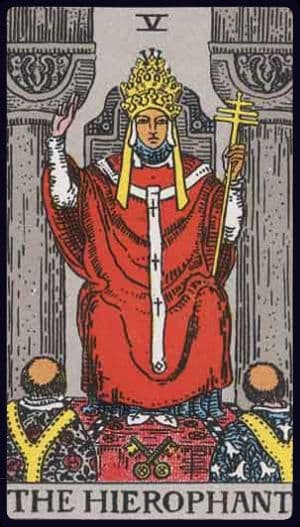
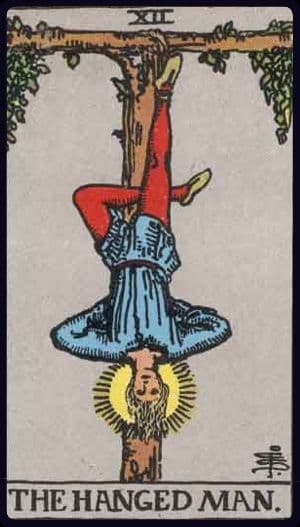
What The Hierophant and The Hanged Man Mean Together
Sometimes the old framework stops working before you have a new one to replace it. The Hierophant offers shared meaning, tradition, and approved ways of proceeding; The Hanged Man interrupts that certainty through pause, surrender, and the need to see things differently. Together, they often reflect periods of spiritual, relational, or intellectual suspension — when what once guided you still shapes your habits but no longer answers your deeper questions. The discomfort comes from being unable to move forward with conviction while also being unable to go back unquestioningly.
What This Pair Reflects
You may be in a season where inherited beliefs are not collapsing so much as hanging in midair, waiting to be reinterpreted. This pair invites you to notice what becomes visible when you stop forcing resolution and let the old teachings sit under a different light.
Begin your practice
Your readings, notes, and questions in one private place.
Start a readingIn Different Situations
Relationships
A relationship can still matter even when the idea of what it should look like no longer feels right. The Hierophant holds the promises, roles or expectations you learned to trust; The Hanged Man makes it difficult to keep moving inside them without asking new questions. That pause can feel unsettling, especially if other people seem certain about what commitment ought to mean. It doesn't automatically point to staying or leaving. It points to a gap between the relationship you're supposed to want and the one you can honestly recognize now. You may need to understand that gap before deciding what changes.
Career
You can follow the expected career path for years and then find that the next step no longer feels like progress. The Hierophant represents the qualifications, advice and accepted measures of success that helped you get here. The Hanged Man interrupts the automatic climb, leaving you unsure whether you are stalled or finally seeing your work differently. That uncertainty isn't proof you've made a mistake. It may expose how much of your ambition came from an inherited definition of a good career. A pause has value when it helps you distinguish the work you still believe in from the path you assumed you had to follow.
Decisions
The usual advice might be sound, yet it doesn't quite answer your situation anymore. The Hierophant offers the established route, the choice that family, colleagues or past experience would recognize. The Hanged Man makes that route feel strangely suspended, as though you need to look at the question from somewhere else before moving. This isn't a demand to reject tradition for the sake of it. It is a reminder that a rule can be useful without settling every case. If pressure to decide is growing, notice whether you're seeking more information or simply trying to feel certain in a framework you've begun to outgrow.
Burnout
You know the routine, you know what is expected, and still you have less and less to give. The Hierophant offers a familiar way to keep going; The Hanged Man interrupts it with a pause that may feel almost unacceptable. When rest is treated as falling behind, even stopping can become another thing to do correctly. This combination leaves open the possibility that the old instructions no longer fit your present capacity. The pause is not automatically restorative. It may simply be the first honest space in which you can notice what continuing as usual has been costing.
Feeling Stuck
Nothing may look stalled from the outside. You show up, keep familiar routines, and do what you've long been taught is sensible. The Hierophant gives those repetitions a trusted shape, so continuing can look like progress simply because you're doing things 'right.' Yet The Hanged Man captures the suspension underneath: an orderly life in which your own sense of movement has gone quiet. That doesn't mean the routine has no value, or that you haven't been trying. There is a particular isolation in being seen as steady when, from within, it feels as though you've been holding the same position for a long time.
New Beginnings
You may have arrived at a beginning that doesn't yet feel like forward motion. The old instructions are still in your head, but they don't quite apply to what is opening now. The Hierophant preserves those inherited expectations; The Hanged Man makes room for a different view before you decide what to carry over. It can be unsettling to start without a clear model of success. Yet a threshold doesn't always come with certainty or momentum. Some beginnings are recognizable only because the old way of understanding yourself has become less convincing.
Grief and Loss
Loss can leave you questioning things that once seemed settled. The Hierophant holds the beliefs, rituals or familiar words that used to make difficult experiences understandable. The Hanged Man shows what it is like when those explanations remain nearby but don't quite reach you. You might still value a tradition and find that its usual consolations feel distant. There is no obligation to make that gap meaningful on demand. A changed perspective may come slowly, or remain unresolved. What you have lost does not need to become a lesson before its weight can be acknowledged.
Reversed Variations
Both reversed
Stagnation can replace reflection. You may cling to a framework that no longer fits while avoiding the surrender that would let your perspective actually change.
The Hierophant reversed
The Hierophant reversed weakens the authority of the old structure. The pause remains, but it may feel more solitary and disorienting without an accepted framework to lean on.
The Hanged Man reversed
The Hanged Man reversed resists the necessary suspension. Tradition still stands, yet you may push for certainty too quickly instead of allowing your view to evolve.