The Hanged Man & The World
What The Hanged Man and The World Mean Together
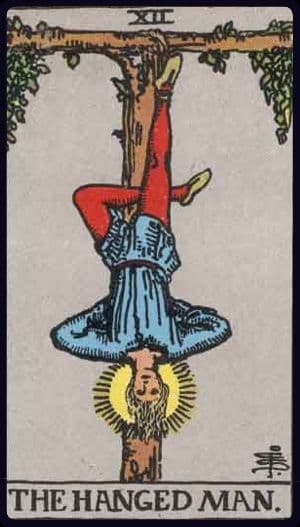
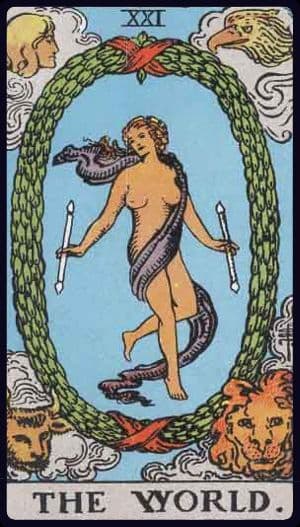
Completion is sometimes preceded by a strange suspension, as if life insists on one final perspective shift before the chapter can close. The Hanged Man pauses forward movement and alters your viewpoint; The World brings integration, wholeness, and the mature sense that a cycle has reached its true end. Together, they often reflect the last stretch of a long process, waiting for closure to feel real, or realizing that what seemed like delay was actually part of the integration. This pair makes room for endings that ripen rather than snap shut.
What This Pair Reflects
You may be closer to closure than your impatience allows you to believe. This combination invites you to notice whether the final pause is frustrating because nothing is happening, or because something important is settling into place before the finish.
Begin your practice
Your readings, notes, and questions in one private place.
Start a readingIn Different Situations
Relationships
You can know a relationship has changed and still feel caught in the middle of it. The World gives a sense of a chapter becoming whole, while The Hanged Man describes the time it can take for your perspective to catch up. Together they make room for closure that isn't settled by one conversation or a clean goodbye. You might be ready to recognize what the relationship meant without being ready to move as though it never mattered. An ending can be understood before it feels complete, and completion need not erase attachment.
Career
You may have finished the work without quite feeling finished with that part of your life. The World marks a cycle you can look back on as a whole; The Hanged Man is the interval before you know what to do with that achievement or ending. Together they fit the uneasy space after completing a project, leaving a role, or reaching a long-sought milestone. Progress may be real even when the next step is not obvious. The pause can help separate a genuine need for rest from the pressure to make completion immediately productive.
Decisions
Something can feel complete in one sense and unfinished in another. The World lets you see how far a commitment or chapter has come; The Hanged Man holds you at the point where that understanding has not yet become a decision. Remaining may reflect responsibilities that still matter, or the difficulty of leaving a role that has become familiar. Those are different reasons, even when both look like delay. This pairing does not settle whether to continue or close the chapter. It makes the unresolved part visible without treating the past investment as an answer on its own.
Burnout
Sometimes the deepest tiredness arrives after something is finally over. The World gives shape to the cycle you've carried through, while The Hanged Man leaves you suspended where the effort has ended but your body and attention have not caught up. An accomplishment or completed responsibility can matter without making the cost disappear. You may feel strangely blank instead of proud, or unable to begin whatever comes next. This combination makes that gap understandable: finishing a chapter and recovering the capacity to live beyond it are not the same moment.
Feeling Stuck
The old chapter feels finished, yet life keeps looking much the same. The World holds the larger shape of what has been lived through; The Hanged Man lingers at the point where that understanding has not become a new rhythm. Stuckness can arise when you no longer belong fully to a familiar pattern but haven't found a different way to inhabit your days. This isn't a demand for a dramatic restart. There may be genuine loose ends, or simply an unfamiliar emptiness after a long cycle. Completion and movement don't always arrive together.
New Beginnings
There is an unusual stillness at the start of a chapter when the last one has genuinely changed you. The World holds what you have completed or learned as part of a larger whole; The Hanged Man interrupts the temptation to rush into a replacement identity. You may be beginning with more perspective but fewer easy answers about who to be next. That can make an opening feel less exhilarating than expected. This combination suggests that continuity matters too: a new beginning need not discard the meaning of what came before, or demand immediate certainty about what follows.
Grief and Loss
A meaningful loss can close a chapter without making your feelings about it feel complete. The World recognizes the full shape of what mattered, while The Hanged Man lingers in the strange interval when life has changed but your inner sense of it is still catching up. Closure may not be a useful word for what you're living through. You can understand that something ended and still carry love, anger, gratitude or unanswered thoughts. This combination allows a chapter to have a boundary without insisting that its meaning, or your attachment to it, has ended too.
Reversed Variations
Both reversed
You may remain suspended just short of completion. The cycle wants to close, but resistance, fatigue, or incomplete perspective can keep you circling the final threshold.
The Hanged Man reversed
The Hanged Man reversed disrupts the last perspective shift needed for full closure. Completion may be near, but impatience can make the ending feel flatter or less integrated.
The World reversed
The World reversed keeps the pause from resolving into wholeness. You may be learning a great deal, yet loose ends or partial closure keep the cycle slightly open.